
Flowers
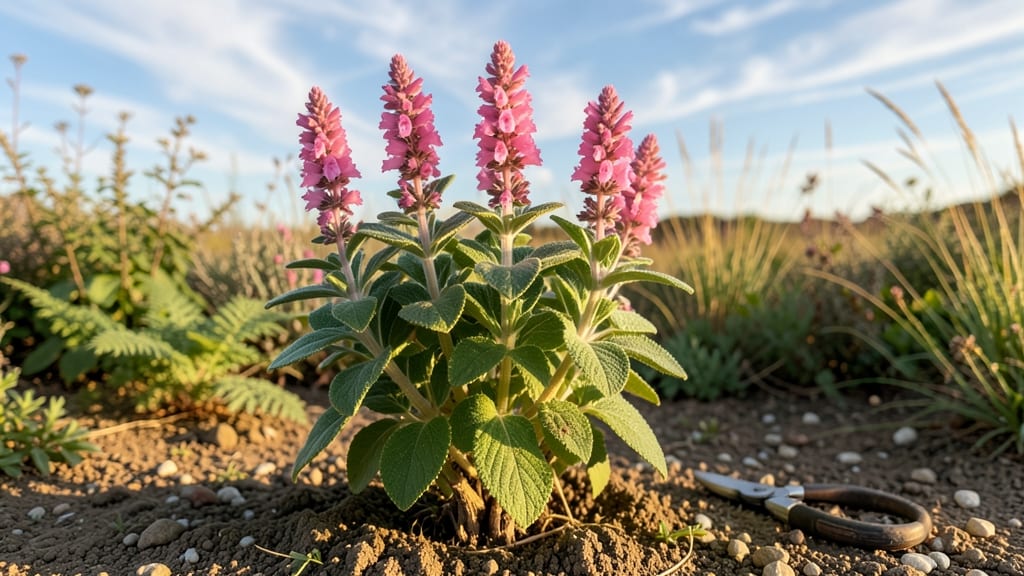
Pink salvias perennial plants bring shockingly lush color to dry gardens where most flowers give up. 🌿 I’ve grown them through three drought years in my high-desert yard, and they’ve never skipped a beat—just keep throwing out those velvety pink blooms from spring to frost.
The secret isn’t fancy soil or constant watering; it’s choosing the right variety for your climate and giving them space to stretch their roots deep.
Start with well-draining soil—even sandy or rocky ground works—as long as water drains fast. Plant in full sun (six or more hours daily) and space them 2-3 feet apart so they don’t crowd.
Once established, these tough perennials need water only once a week in summer, and they’ll reward you with butterfly magnets all season. Prune spent blooms in early summer to encourage a second flush, and you’ll have flowers until fall.
What makes them special is how low-maintenance they are. No deadheading required (though it does extend blooms), no fuss over pests (deer and rabbits usually ignore them), and they bounce back after winter with barely a hint of damage.
The foliage stays silvery-green and aromatic, adding texture even when not in bloom. By next spring, you’ll have a pollinator paradise that thrives on neglect.
Whether you’re in a hot, dry climate or a cooler region with shorter summers, pink salvias adapt—just pick the right species. My Salvia ‘May Night’ thrives in zones 5-9, while Salvia ‘Bee’s Bliss’ handles heat like a champ.
The key is planting them right the first time, and I’ll walk you through every step to make sure yours come back bigger every year.
📚 In This Guide
- What you need
- Instructions
- Tips and common mistakes
- Wrapping up and next steps
What you need
- ● Pink Salvia Plants: 3–5 Salvia nemorosa or Salvia officinalis (pink varieties) per desired planting area (check local nurseries or online seed shops).
- ● OR 1–2 lbs of organic perennial seeds (if starting from scratch).
- ● Soil: 50 lbs of well-draining potting mix (or amend garden soil with compost and perlite for aeration).
- ● 1 lb of slow-release fertilizer (10-10-10 NPK ratio).
- ● Tools: 1 garden trowel (for transplanting).
- ● 1 pruning shears (for trimming dead blooms).
- ● 1 watering can (with a fine rose nozzle).
- ● Location: Full sun exposure (6+ hours/day).
- ● Area with shelter from strong winds (salvias prefer calm spots).
- ● Mulch: 2–3 inches of organic mulch (e.g., straw or shredded bark) to retain moisture and suppress weeds.
- ● Drip Irrigation System: For automated, drought-friendly watering (especially in hot climates).
- ● Epsom Salt: 1 tbsp mixed into soil at planting to boost magnesium (great for vibrant blooms!).
- ● Companion Plants: Pair with lavender, catmint, or ornamental grasses for a stunning pollinator-friendly display.
Step-by-Step instructions for planting and cultivating pink salvias
Here’s the straightforward approach I’ve used to establish vibrant pink salvias that thrive through dry spells and return reliably each season.
🌱 Step 1: Select and Prepare the Planting Site
Pink salvias adore full sun—at least 6-8 hours daily—and well-draining soil. I always choose a spot with afternoon shade in hotter climates to prevent leaf scorch. Before planting, loosen the soil to 12 inches deep with a garden fork to improve aeration and root penetration. If your soil drains poorly, amend it with 2-3 inches of coarse sand or perlite mixed into the top 6 inches of soil.
Salvias hate soggy roots, so avoid low-lying areas where water pools. If your yard has heavy clay, consider planting in raised beds or large containers with drainage holes. The key is dryness—these plants store water in their stems, so they’ll forgive occasional drought but won’t tolerate waterlogged conditions.
🪴 Step 2: Plant at the Right Depth and Spacing
Dig a hole twice as wide as the root ball but no deeper—salvias dislike being buried too deep, which can cause stem rot. Gently remove the plant from its container and tease apart any circling roots. Place it in the hole so the top of the root ball sits level with the surrounding soil—burying the crown too deeply suffocates the plant.
Space plants 18-24 inches apart for full, bushy growth. I like to plant in clusters of 3-5 for a dramatic display, as salvias bloom best when they’re not crowded. After positioning, backfill with the amended soil and press lightly around the base to eliminate air pockets. Water deeply to settle the soil and encourage root contact.
☀️ Step 3: Water and Mulch for Drought Resilience
Water deeply once a week for the first 4-6 weeks to establish roots, then taper off to every 10-14 days once established—salvias thrive on neglect once settled. I use a soaker hose or drip irrigation to deliver moisture directly to the root zone without wetting the foliage, which reduces fungal risks. Water in the early morning to allow foliage to dry before evening.
Spread 2-3 inches of mulch (like gravel or bark chips) around each plant, keeping it 2 inches away from the stem to prevent rot. Mulch conserves moisture and regulates soil temperature. Avoid organic mulches like wood chips, which decompose and compact over time—salvias prefer a more open, airy root environment.
✂️ Step 4: Prune and Maintain for Long-Term Blooms
Deadhead spent blooms by snipping stems back to the nearest set of leaves after flowering to encourage a second flush. I also prune leggy stems in early spring to half their height, which stimulates bushier growth. Avoid heavy pruning in late summer, as new growth won’t harden off before winter.
Fertilize lightly in early spring with a balanced, slow-release fertilizer (10-10-10) at half the recommended rate. Salvias are light feeders—over-fertilizing leads to weak stems and fewer blooms. Watch for aphids or whiteflies on new growth; treat with neem oil if spotted early. With minimal care, these perennials will reward you with vibrant pink blooms for years.
Tips & tricks for perfect pink salvias perennial planting
Took me years to figure out the nuances of growing these drought-resistant beauties—here’s what nobody tells you about keeping them thriving.
Soil Preparation Secret: In Step 1, when amending your soil with 2-3 inches of coarse sand or perlite, don’t just mix it in superficially. Dig it down to the full 6-inch depth where roots will establish. I’ve seen salvias struggle when the amendment layer gets "sandwiched" between compacted soil—this creates a false bottom that prevents proper drainage. Think of it like creating a sponge cake texture rather than a brick wall.
Planting Depth Visual: The instructions mention placing the root ball so its top sits level with soil, but here’s the trick: press your thumb into the soil around the base after planting—you should feel just enough resistance to hold the plant upright, not rock-hard compaction. If it feels like packing dirt into a cup, you’ve gone too far. This subtle firmness prevents the plant from toppling while allowing roots to breathe.
Watering Strategy: During the critical 4-6 week establishment period in Step 3, I’ve found that watering every 5 days (instead of weekly) gives better results in hotter climates. The key is consistency—salvias need steady moisture to develop roots, but they’ll rot if left soggy. After the initial period, the 10-14 day schedule works perfectly because these plants store water in their stems like little succulents.
Pruning Insight: When you prune leggy stems to half their height in early spring, focus on removing stems that are thinner than a pencil—these are the ones that won’t recover well. The thicker stems will regrow bushier, while the weak ones just create more work next year. This selective approach keeps your salvias looking full without over-pruning.
Pro Tips for Pink Salvias Perennial
- Took me years to figure out the nuances of growing these drought-resistant beauties—here’s what nobody tells you about keeping them thriving.
- Soil Preparation Secret: In Step 1, when amending your soil with 2-3 inches of coarse sand or perlite, don’t just mix it in superficially.
- If it feels like packing dirt into a cup, you’ve gone too far.
Frequently asked questions
Got questions about growing and caring for pink salvias perennials? You’re not alone! Here are some of the most common queries—and their answers—to help you cultivate vibrant, drought-resistant blooms year after year.
Are pink salvias perennials really drought-tolerant?
Once established, pink salvias thrive with minimal watering. Their deep roots access moisture efficiently, making them perfect for xeric landscapes or regions with low rainfall. Water deeply but infrequently—about once a week in dry climates—to encourage hardiness.
How long does it take for pink salvias to bloom after planting?
Patience pays off! Most pink salvias take 60–90 days from planting to first bloom, depending on conditions. For faster results, choose established plants (not seeds) and plant in early spring. Deadhead spent blooms to extend the flowering season.
Can pink salvias survive cold winters?
It depends on your climate! Many varieties (like Salvia ‘May Night’) tolerate USDA Zones 5–9. In colder zones, mulch heavily or plant in sheltered spots. If frost threatens, cover young plants with burlap. Hardy salvias often regrow from the roots each spring.
What’s the best way to revive a leggy or sparse pink salvia?
Leggy growth usually means too much shade or overcrowding. Prune back 1/3 of the plant in early spring to encourage bushier growth. If the center looks bare, dig up the plant, divide the roots, and replant the healthiest sections. Boost sunlight exposure to 6+ hours daily.
Are there pink salvia alternatives for hummingbirds?
Yes! If you love hummingbirds but want variety, try:
- Salvia ‘Bee’s Bliss’ (purple-pink)
- Salvia ‘Hot Lips’ (red-orange)
- Agastache ‘Black Adder’ (deep purple)
- Penstemon ‘Garnet’ (coral-red)
Wrapping up and next steps
Pink salvias perennials are a game-changer for gardeners seeking low-maintenance, drought-resistant beauty that thrives year after year. Their vibrant blooms, pollinator appeal, and resilience make them a standout choice for any landscape—whether you're a seasoned gardener or just starting out. 🌸
Ready to transform your garden? Start small—plant a few pink salvias this season and watch them flourish with minimal effort. Before you know it, you’ll have a stunning, sustainable centerpiece that keeps coming back stronger! 🌿