
Light Requirements
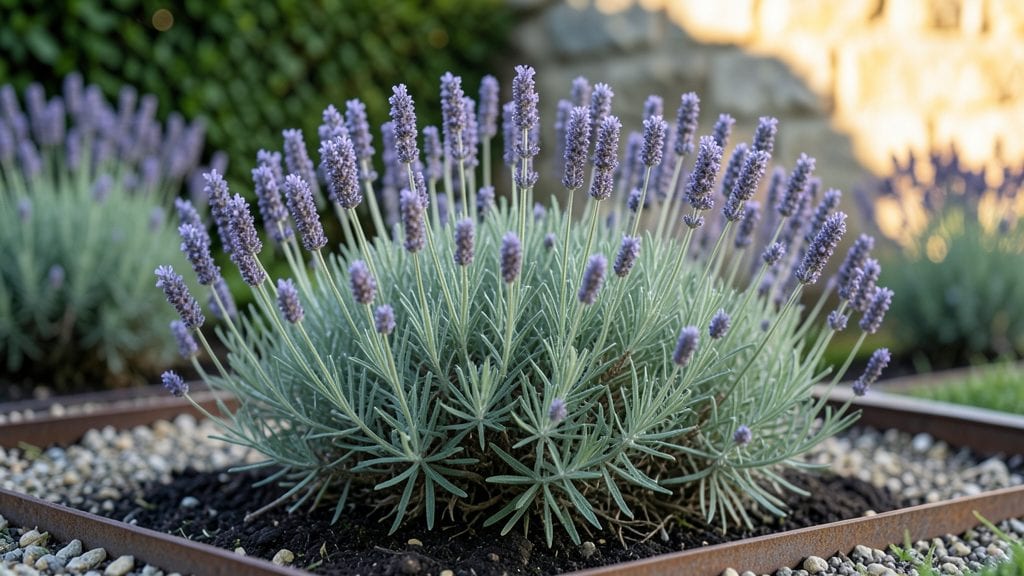
The right perennials that like full sun and heat turn scorched soil into a lush, low-maintenance paradise that comes back bigger every year—my sun-baked garden proved it. 🌞 These are the tough, sun-loving perennials that beat the heat while looking effortlessly beautiful.
Think lavender that smells like summer, black-eyed Susans that bloom until frost, or sedum with jewel-toned foliage that stays crisp even when temps hit 95°F. They’re the plants that drink less, spread easily, and attract butterflies while you sip iced tea in the shade.
No fancy irrigation or constant deadheading—just sun, soil, and occasional pruning.
By the end of summer, you’ll have a garden that stays vibrant green when neighbors’ plants turn crispy. These perennials handle drought like pros, so you can travel without guilt or skip watering during heatwaves.
The best part? They multiply over time, giving you free plants to share or move around.
Whether you’re fixing a dry, sunny slope or just want a no-fuss border, these heat lovers deliver color, texture, and resilience. Let’s pick the perfect mix for your full-sun spots—no wilting required.
Why Plants Thrive in Heat
If you’ve ever wondered why some perennials love baking sun and scorching heat while others wilt faster than a snowman in July, the answer lies in their biology. These hardy plants have evolved—or been carefully bred—to handle extreme conditions through a mix of physiological adaptations and survival strategies.
Let’s break down the science behind their sun-soaked success.
Plants that thrive in full sun and heat often have thicker, waxier leaves and shallower root systems—both designed to conserve water and regulate temperature. Here’s how it works:
- Waxy Cuticles: A dense, waxy layer on leaves (like a built-in sunscreen) reduces water loss through transpiration while reflecting some of the sun’s harsh rays. Think of it as a plant’s version of SPF 50+.
- Sunken Stomata: Tiny pores (stomata) that absorb CO₂ are often sunken into leaf tissue, creating microclimates that trap moisture and slow evaporation.
- Anthocyanin Pigments: The deep red, purple, or blue hues in some perennials (like Lavender or Russian Sage) aren’t just for show—they act as natural UV filters, protecting chlorophyll from damage.
Pro Tip: 🌡️ Mulching mimics this natural protection by insulating soil, keeping roots cooler and reducing moisture loss.
Not all perennials need frequent watering to survive—some are succulents, drought-deciduous, or deep-rooted, meaning they’ve mastered the art of stretching their water supply. Here’s how:
| Adaptation | How It Works | Examples |
|---|---|---|
| Succulent Storage | Thick, fleshy leaves or stems (like Aloe or Sedum) store water for dry spells. | Hens & Chicks, Agave, Sempervivum |
| Deep Taproots | Roots dive 10+ feet deep to access groundwater, bypassing surface drought. | Black-Eyed Susan, Butterfly Weed, Yucca |
| Drought Deciduous | Drops leaves or stems during dry periods to minimize water loss, then regrows when rain returns. | Russian Sage, Lamb’s Ear, Salvia |
Key Takeaway: These plants prioritize water efficiency over rapid growth, making them perfect for low-maintenance, high-heat gardens.
Full-sun perennials aren’t just tolerating heat—they’re optimized for it. Their photosynthesis engines run at peak efficiency under bright light, thanks to:
- High Light Saturation Point: Unlike shade-loving plants, these perennials can absorb excess light without burning out, thanks to carotenoids (pigments that dissipate energy as heat).
- C4 or CAM Metabolism:
- C4 Plants (like Switchgrass) use a two-step CO₂ fixation process to minimize photorespiration (a wasteful reaction in hot, dry conditions).
- CAM Plants (like Agave) open stomata at night to reduce water loss, storing CO₂ for daytime photosynthesis.
- Rapid Growth Cycles: Many bloom early in the season (before peak heat) or produce heat-resistant flowers that don’t wilt under intense sun.
Fun Fact: 🌿 Lavender actually flourishes in heat because its oils increase in potency under stress—making it more aromatic (and pest-repellent)!
Understanding these adaptations isn’t just academic—it’s your secret weapon for choosing, planting, and caring for perennials that turn your sunniest, hottest spots into lush, low-water oases. 🔥
Revive and Protect Your Sun-Loving Plants
Got perennials struggling in the blazing sun? Don’t worry—these tough plants are survivors, and with the right care, they’ll bounce back stronger than ever.
Below, we’ll tackle common issues like wilting, browning, or stunted growth and show you how to nurse your sun-loving beauties back to health—plus how to keep them thriving long-term.
Cause: Overheating, underwatering, or root stress in intense heat.
How to Revive: 💧 Water Deeply (But Less Often)
- Water early in the morning (before 10 AM) to reduce evaporation. Aim for 1–1.5 inches of water per week, delivered directly to the soil—not the leaves.
- Use drip irrigation or soaker hoses to keep moisture at the roots where it’s needed most.
- Mulch heavily (2–3 inches of organic mulch like shredded bark or straw) to retain moisture and cool the soil.
🌱 Trim Damaged Foliage
- Snip off yellow or crispy leaves with clean pruners to redirect the plant’s energy to healthy growth.
- Avoid cutting into green stems—wait until new growth appears to prune back.
🌡️ Provide Temporary Shade
- If a heatwave hits, lightly shade vulnerable plants with frost cloth or a breathable shade cloth (30–50%) for a few hours a day.
- Avoid plastic sheets—trapped heat can worsen the problem!
Prevention Tips: ✨ Choose the right plants for your zone—some perennials (like Lavender, Russian Sage, or Blanket Flower) handle heat better than others. 🌡️ Monitor soil temperature—if it’s above 90°F, your plants are at risk. Test with a soil thermometer or press your hand into the ground (if it’s too hot for you, it’s too hot for the roots).
Cause: Sunburn, dehydration, or salt buildup from hard water.
How to Revive: 💦 Flush the Soil
- If your water is hard or salty, rinse the root zone with rainwater or distilled water to leach out excess minerals.
- For container plants, soak the pot in water for 10 minutes to hydrate roots thoroughly.
🌿 Adjust Watering Habits
- Morning watering is key—evening water can encourage fungal issues.
- Group plants with similar needs together to create a microclimate that retains moisture.
🛡️ Protect from Scorching Sun
- If leaves are bleached or white, they’re sunburned. Provide afternoon shade (1–3 PM) during extreme heat.
- Reflective surfaces (like white gravel or mulch) can bounce back heat—keep them away from plant bases.
Prevention Tips: 💡 Use shade cloth during the hottest months if your plants are new to full sun. 🌡️ Avoid overhead watering—wet leaves magnify sunlight, causing burns.
Cause: Too much shade (even indirect), poor soil, or over-fertilizing.
How to Revive: 🌱 Prune for Bushier Growth
- Pinch back leggy stems by 1/3 to encourage branching.
- For woody perennials (like Salvia or Butterfly Bush), cut back old stems in early spring to promote new, sturdy growth.
🌿 Feed Smartly
- Avoid high-nitrogen fertilizers—they promote leafy (but weak) growth. Instead, use a balanced 10-10-10 or low-phosphorus formula in early spring.
- Compost or worm castings improve soil structure without burning roots.
☀️ Ensure Full Sun Access
- Trim back overgrown shrubs or trees casting shade.
- Rotate containers every few weeks to ensure even light exposure.
Prevention Tips: 🎯 Plant in well-draining soil—amend with sand or perlite if your soil is clay-heavy. 🔥 Space plants properly—crowding leads to competition for light and nutrients.
Once your plants are back in shape, keep them happy with these low-maintenance habits: - Mulch annually to protect roots and retain moisture. - Deadhead spent blooms to encourage more flowers and prevent seed production (which drains energy). - Divide clumps every 2–3 years to rejuvenate perennials like Coneflowers or Black-Eyed Susans. - Monitor pests—heat-stressed plants attract aphids or spider mites.
Spray with neem oil if needed.
Remember: These perennials are built to thrive in tough conditions—they just need a little extra love during heatwaves. With the right adjustments, they’ll reward you with bold colors and lush foliage for years to come! 🌞🌸
Frequently asked questions
Which perennials handle the hottest climates best?
Top performers include Lavender, Russian Sage, and Agastache—these thrive in 90°F+ temps with minimal water. Blanket Flower and Black-Eyed Susan also excel, blooming through summer heatwaves. For ultra-dry areas, Sedum (stonecrop) and Yarrow need almost no care once established.
Can I plant these in containers instead of garden beds?
Dwarf Lavender, Miniature Roses, and Container Sedum are perfect for pots. Use well-draining soil with perlite or sand (50/50 mix) and ensure containers have drainage holes. Water containers daily in extreme heat—they dry out faster than garden soil.
Will these perennials survive winter after summer heat?
Most hardy varieties (like Coneflower or Daylily) return yearly, but mulch heavily (3-4 inches) before frost. Tender perennials (Agave, Yucca) may die back but regrow from roots. Check your USDA Zone—many handle -10°F or colder with protection.
How often should I water once established?
Once rooted, most need water every 1-2 weeks in normal heat, but skip watering entirely during 3+ inches of rain. Let soil dry completely between waterings—overwatering causes root rot. Mulch (2-3 inches) reduces evaporation by 50%, cutting water needs in half.
Are there any perennials that bloom all summer long?
Yes! Black-Eyed Susan and Bee Balm provide nonstop color from June to frost. For extended blooms, deadhead spent flowers weekly and fertilize lightly (10-10-10) in early summer. Lantana (semi-perennial in cooler zones) also flowers continuously with minimal care.