
Planting
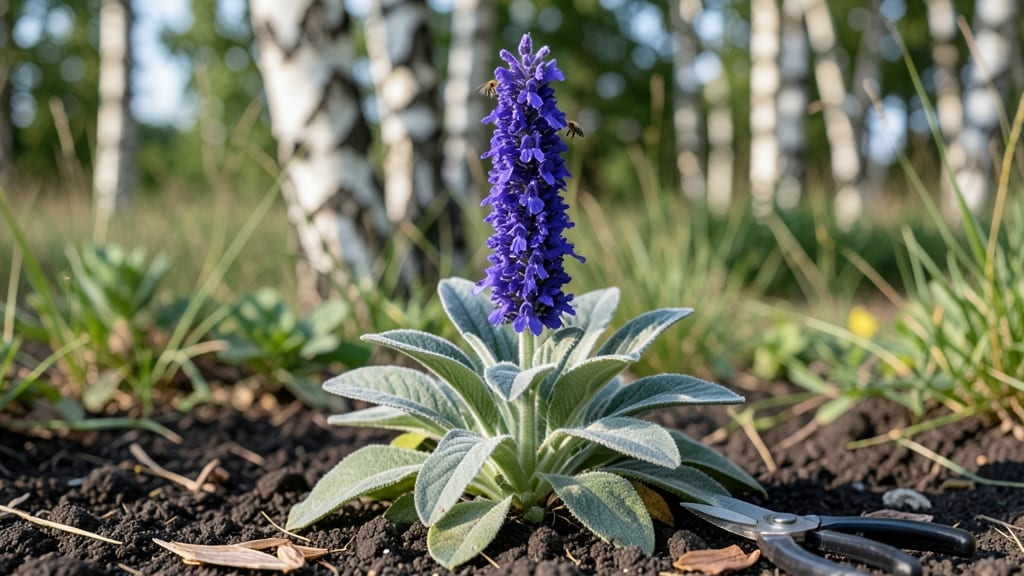
Part-sun perennials in Zone 8 are the secret weapon for gardens that get morning sun and afternoon shade—where many plants struggle but the right choices thrive. 🌿 I’ve tested dozens of varieties, and these are the ones that come back stronger every year with minimal fuss.
They handle Zone 8’s hot summers and mild winters like pros, blooming reliably without wilting or fading into the background.
The key is matching plants to your specific light conditions—some tolerate just 3 hours of sun, while others need 6. Most need well-draining soil (amend heavy clay with compost) and consistent watering until established.
Once they’re settled, they’ll reward you with season-long color, drought tolerance, and that “I didn’t have to do much” satisfaction. Think black-eyed Susans, Russian sage, or catmint—all of which spread gently and outperform annuals.
By late spring, you’ll see lush foliage filling in gaps, followed by blooms that attract pollinators without demanding constant attention. Prune back in early spring to encourage new growth, and fertilize lightly in early summer.
These perennials handle Zone 8’s heat better than most, and their deep roots make them drought-resistant once established. The payoff? A garden that looks effortless but never sacrifices beauty.
Perfect for borders, cottage-style beds, or even container gardens where full sun is too harsh. Whether you’re replacing high-maintenance annuals or filling in shady spots, these perennials deliver year-after-year reliability with almost no work. Let’s get planting!
Why Perennials Struggle in Part Sun
Part-sun gardens in Zone 8 can feel like a Goldilocks dilemma—too much sun scorches your perennials, but too little shade stunts their growth. The truth?
These plants often fail not because of the light itself, but due to how that light (or lack of it) interacts with their biology, environment, and your garden’s microclimate. Understanding the root causes helps you tweak conditions for success.
Here’s why your part-sun perennials might be underperforming—and how to fix it.
Zone 8’s warm climate isn’t just about heat—it’s about swinging temperatures. Perennials adapted to part sun often thrive in moderate climates where daytime highs and nighttime lows stay within a predictable range. But in Zone 8, you might experience:
- Heat spikes: Afternoon temps soaring above 90°F (32°C) can cause leaf scorch, especially for perennials like Hosta or Astilbe, which prefer cooler afternoons. 💡 Pro tip: Mulch with 3–4 inches of organic matter (like shredded bark or compost) to insulate roots and keep soil temps stable.
- Nighttime warmth: If lows stay above 65°F (18°C), some perennials (like Lungwort) may fail to vernalize—a process where plants need cooler temps to bloom properly. Without this chill period, they might produce fewer or weaker flowers.
- Sudden cold snaps: Even in Zone 8, unexpected dips below 40°F (4°C) can shock tender perennials like Bleeding Heart (Dicentra spectabilis), causing leaf drop or dormancy issues.
Actionable fix: Choose heat-tolerant part-sun perennials for Zone 8, such as:
- Coral Bells (Heuchera) – Thrives in morning sun + afternoon shade and handles heat well.
- Japanese Forest Grass (Hakonechloa) – Tolerates 6–8 hours of sun if soil stays moist.
- Black-Eyed Susan (Rudbeckia) – Blooms prolifically in part sun and drought-resistant once established.
Part sun isn’t a vague term—it’s a specific light recipe. Most perennials need 3–6 hours of direct sun, but the angle and intensity of that light matter. In Zone 8, two common light-related issues arise:
1. Too Much Direct Sun (Over-Exposure)
Even "part-sun" plants can get sunburned if they receive intense afternoon rays (especially in summer). Signs include:
- White or brown leaf patches (like frostbite on foliage).
- Crispy, papery edges on leaves (common in Hosta or Ferns).
- Stunted growth or bolting (premature flowering) in perennials like Sweet Woodruff (Galium odoratum).
Why it happens: High-angle summer sun in Zone 8 delivers UV radiation + heat that exceeds what part-sun plants evolved to handle. Their chlorophyll (the green pigment that processes light) gets overloaded, leading to oxidative stress.
Actionable fix:
- Install dappled shade with tree canopies (e.g., Japanese Maple) or lattice screens to filter light.
- Use light-colored mulch (like straw or pine needles) to reflect excess heat.
2. Too Little Light (Under-Performance)
On the flip side, if your "part-sun" spot actually gets less than 3 hours of direct light, perennials may:
- Grow leggy (long, weak stems) as they stretch toward any available light.
- Produce fewer flowers (e.g., Coneflower (Echinacea) may bloom sparsely).
- Develop yellowing leaves (chlorosis) from lack of photosynthesis.
Why it happens: Part-sun perennials rely on balanced light exposure to fuel growth and flowering. Without enough light, they can’t produce carbohydrates (via photosynthesis) to sustain themselves, leading to weak, unhealthy plants.
Actionable fix:
- Move containers or prune nearby trees to increase light exposure gradually.
- Opt for low-light-tolerant perennials like Lungwort (Pulmonaria) or Solomon’s Seal (Polygonatum) if shade is unavoidable.
Part-sun perennials in Zone 8 often fail because their water needs clash with the environment. Here’s how:
1. Overwatering in Shade
Soil in part-sun areas (especially under trees) can stay too moist because:
- Less evaporation occurs in shaded spots, keeping soil damp longer.
- Compacted or clay-heavy soil (common in Zone 8) holds water poorly, leading to root rot in sensitive perennials like Bleeding Heart.
Signs of overwatering:
- Yellowing leaves with mushy stems.
- Fungal diseases like powdery mildew or root rot.
Actionable fix:
- Amend soil with compost or perlite to improve drainage.
- Water deeply but less frequently—aim for 1–1.5 inches per week (including rain).
2. Underwatering in Sun
If your "part-sun" spot gets more sun than expected, soil dries out faster, stressing perennials like Hostas or Astilbe. Signs include:
- Wilting or crispy leaf edges.
- Stunted growth or dropped buds (common in Peony or Daylily).
Why it happens: Zone 8’s high evaporation rates in sun-exposed areas deplete soil moisture quickly. Perennials adapted to part sun often lack deep root systems to access water in dry spells.
Actionable fix:
Revive & Protect Your Perennials
Growing part-sun perennials in Zone 8 can be a breeze—but when issues arise, quick action keeps your garden thriving. Below are practical fixes for common problems, paired with prevention tips to keep your plants happy year after year.
Cause: Overwatering, poor drainage, or fungal infections (like powdery mildew) often trigger weak, yellowing foliage.
How to Solve:
- 🔥 Check soil moisture – Stick your finger 1–2 inches deep; if damp, hold off on watering. Part-sun plants (like coneflowers or black-eyed Susans) prefer dry soil between waterings.
- 🍳 Improve drainage – Amend heavy clay soil with compost or perlite to prevent root rot. Raised beds work wonders for struggling perennials.
- 👨🍳 Treat fungal issues – Spray leaves with a baking soda solution (1 tsp baking soda + 1 quart water + a drop of dish soap) or use neem oil for stubborn mildew.
Prevention Tips: ✔ Water at the base (not overhead) to reduce fungal spores. ✔ Space plants properly (follow tag guidelines) for airflow. ✔ Mulch lightly (2–3 inches) to retain moisture without suffocating roots.
Cause: Too much shade, over-fertilizing, or transplant shock can lead to weak, stretched stems with sparse blooms.
How to Solve:
- 🌡️ Adjust sunlight exposure – Move plants to a sunnier spot (4–6 hours of light) if they’re stretching toward the sun. Use reflective mulch (like white gravel) to bounce extra light onto shaded areas.
- 🎯 Cut back on fertilizer – Overfeeding encourages leafy growth over flowers. Use a balanced, slow-release fertilizer (10-10-10) once in early spring and skip mid-season feedings.
- 🔪 Prune strategically – Trim 1/3 of leggy stems in early spring to encourage bushier growth. Deadhead spent blooms to redirect energy to new flowers.
Prevention Tips: ✔ Choose the right plants – Stick to Zone 8 part-sun stars like Russian sage, catmint, or daylilies that tolerate variable light. ✔ Plant at the right time – Transplant in early fall or spring (avoid summer heat) to minimize shock. ✔ Test your soil – If pH is off (too acidic/alkaline), amend with lime or sulfur before planting.
Cause: Aphids, slugs, and Japanese beetles love tender perennials, especially in humid Zone 8 summers.
How to Solve:
- 🍎 Manual removal – Handpick beetles (drop them in soapy water) or crush slugs with a board trap (bury a shallow dish of beer near plants).
- 💡 Natural repellents –
- Aphids: Spray with soapy water or introduce ladybugs.
- Beetles: Set up beer traps (bury a cup filled with beer) or use kaolin clay as a barrier.
- Slugs: Use copper tape around pots or diatomaceous earth (food-grade only).
- 🔪 Prune infested areas – Remove heavily damaged leaves and dispose of them in the trash (not compost).
Prevention Tips: ✔ Encourage beneficial insects – Plant marigolds, lavender, or dill nearby to attract predators. ✔ Water in the morning – Keeps foliage dry, deterring slugs and fungal pests. ✔ Inspect new plants – Quarantine purchases for 1–2 weeks before adding them to your garden.
Cause: Freeze-thaw cycles or late spring frosts can damage tender perennials, especially newly planted ones.
How to Solve:
- 🥘 Mulch heavily in fall – Apply 4–6 inches of straw or shredded leaves after the first frost to insulate roots.
- 🧥 Use frost blankets – Cover tender perennials (like canna lilies) with frost cloth on cold nights (below 25°F).
- 🔪 Prune back dead foliage – In late winter, cut back brown stems to prevent disease, but leave seed heads for winter interest.
Prevention Tips: ✔ Choose cold-hardy varieties – Opt for Zone 8 perennials like salvia, penstemon, or sedum that handle fluctuations. ✔ Avoid fall fertilizing – Stop feeding by mid-summer to encourage root hardening before winter. ✔ Monitor forecasts – Sign up for local frost alerts to protect vulnerable plants.
Need a fast fix? Check this symptom-to-solution guide:
| Problem | Likely Cause | Fast Fix | Prevent Next Time |
|---|---|---|---|
| Brown leaf edges | Underwatering or salt buildup | Water deeply + flush soil with rainwater | Use filtered water, mulch well |
| No blooms | Over-fertilizing or shade | Prune leggy stems + move to sunnier spot | Fertilize lightly, prune regularly |
| Curling leaves | Spider mites or heat stress | Spray with water + neem oil | Increase humidity (mulch, drip irrigation) |
| Black spots on leaves | Fungal disease | Remove infected leaves + fungicide spray | Improve airflow, avoid overhead watering |
Remember: Most perennial problems in Zone 8 stem from light, water, or soil issues—adjust one factor at a time, and your garden will bounce back stronger. Happy planting! 🌿✨
Frequently asked questions
What’s the best way to tell if my garden spot gets true part sun?
Use a sunlight tracker for a week: mark your garden area and observe how many hours it gets direct sun. True part sun means 3–6 hours of morning sunlight (before 10 AM) with afternoon shade. Zone 8’s intense afternoon sun can burn delicate perennials like hostas or astilbes, so avoid spots with harsh afternoon rays.
Can I grow shade-loving perennials in part sun?
Some shade plants tolerate part sun, but they’ll often perform better with morning light only. Try heuchera (coral bells) or pulmonaria (lungwort)—they handle 3–4 hours of sun if soil stays moist. Avoid deep shade plants like ferns or hostas in spots with afternoon sun, or they’ll scorch.
How do I prepare soil for part-sun perennials in Zone 8?
Zone 8 soils often compact easily, so mix in 3–4 inches of compost and 10% perlite or sand to improve drainage. Test pH—most part-sun perennials prefer 6.0–7.0. For clay-heavy soil, add pine bark fines to loosen texture. Mulch with 3 inches of shredded bark to regulate temperature and retain moisture.
What’s the most drought-tolerant part-sun perennial for Zone 8?
Russian sage (Perovskia atriplicifolia) is the top pick—it thrives on 3–6 hours of sun, handles Zone 8 heat, and needs water only every 2–3 weeks once established. Other great choices: black-eyed Susans (Rudbeckia), catmint (Nepeta), and sedum (stonecrop), all of which store water in their leaves.
Why are my part-sun perennials flowering less this year?
Over-fertilizing or too much shade are common culprits. Cut back on nitrogen-rich fertilizer—it encourages leaf growth over blooms. Move plants to more light (4–6 hours) if they’re stretching. Deadhead spent blooms to encourage new flowers, and check for pests like Japanese beetles, which chew flower buds.