
Planting
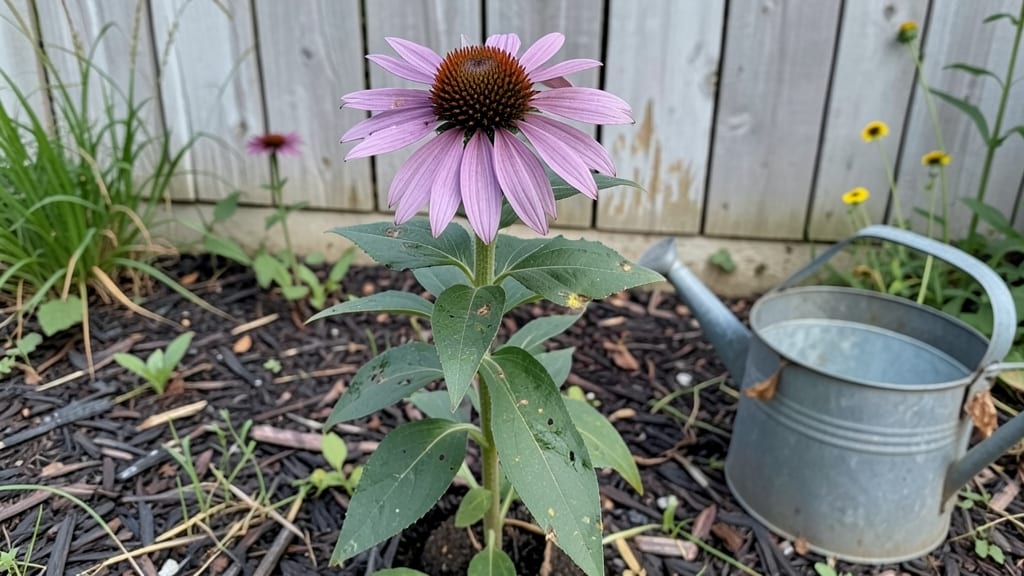
Summer flowering perennials in Zone 5 can turn your garden into a nonstop parade of color from June through frost 🌸—and I’ve learned which ones actually deliver that promise without flopping in our hot summers or cold snaps.
The key isn’t just picking pretty flowers; it’s choosing tough varieties that bounce back after heat waves and still look stunning when your neighbors’ plants are wilting.
Start with coneflowers, black-eyed Susans, and daylilies—these three alone give you three months of blooms with almost no fuss. They handle Zone 5’s hot, humid summers and cold winters like champs, plus they attract pollinators while keeping pests at bay.
The secret? Plant them in well-draining soil with full sun (at least 6 hours daily), and water deeply once a week once established—no need for daily fussing.
You’ll end up with gardens that look like they belong in a magazine, not just a backyard. The deep pinks of coneflowers, the golden-yellow cheer of black-eyed Susans, and the ruffled petals of daylilies create layers of texture and color that keep evolving all season.
And the best part? These perennials come back bigger and better every year, so you’re not starting from scratch annually.
Whether you’re working with a sunny border, a shady woodland edge, or a container garden, these plants adapt—just tweak the soil and sunlight slightly. Let’s pick the right ones for your space and keep them thriving through Zone 5’s rollercoaster seasons.
📚 In This Guide
- What you need
- Instructions
- Tips and common mistakes
- Wrapping up and next steps
What you need
- ● Summer-flowering perennials (Zone 5 hardy): 5–10 plants of Coneflower (Echinacea purpurea)
- ● 3–5 plants of Black-eyed Susan (Rudbeckia fulgida)
- ● 3–5 plants of Bee Balm (Monarda didyma)
- ● 3–5 plants of Daylily (Hemerocallis spp.)
- ● 3–5 plants of Russian Sage (Perovskia atriplicifolia)
- ● High-quality potting soil or garden loam: 5–10 gallons (mix with compost for best results)
- ● Organic compost or slow-release fertilizer: 1–2 lbs (10-10-10 or balanced formula)
- ● Mulch (straw, shredded bark, or pine needles): 2–3 cubic feet
- ● Hand trowel or transplant spade (for digging small holes)
- ● Garden fork or shovel (for amending soil in larger areas)
- ● Watering can or hose with adjustable nozzle (gentle watering is key!)
- ● Gloves and knee pads (because gardening is hard work 😉)
- ● Pruners or shears (for cleanup after planting)
- ● Soil test kit (to check pH and nutrient levels)
- ● Epsom salt or iron supplement (for yellowing leaves)
- ● Drip irrigation system (for low-maintenance watering)
- ● Decorative rocks or edging stones (to define plant beds)
How to design a stunning summer perennial border in Zone 5
Here’s my battle-tested approach to creating a low-maintenance perennial border that bursts with color every summer.
🌱 Step 1: Select the Right Perennials for Zone 5’s Climate
Start with four proven summer performers that handle Zone 5’s heat, humidity, and cold snaps: coneflower (Echinacea purpurea), black-eyed Susan (Rudbeckia fulgida), bee balm (Monarda didyma), and Russian sage (Perovskia atriplicifolia). These thrive in full sun to part shade and return reliably year after year.
I always check each plant’s mature size—coneflower and black-eyed Susan spread 18-24 inches wide, while bee balm stays 24-36 inches and Russian sage reaches 3-4 feet tall. Space them accordingly to avoid overcrowding. For example, place taller Russian sage at the back and shorter coneflowers in front.
🪴 Step 2: Prepare the Planting Site for Long-Term Success
Clear the area of weeds and loosen the soil to a depth of 12 inches using a garden fork. Amend with 3 inches of compost and 1 cup of 5-10-5 fertilizer per square foot to give roots a nutrient boost. Zone 5 soil can be heavy, so I mix in a 20% perlite or coarse sand to improve drainage.
Here’s the thing—don’t overdo the fertilizer. Too much nitrogen now will encourage leafy growth at the expense of blooms. Instead, focus on well-draining soil and organic matter. Test your soil’s pH too; most of these perennials prefer 6.0-7.0. If yours is off, adjust with lime or sulfur before planting.
☀️ Step 3: Plant for Height, Color, and Seasonal Flow
Dig holes twice as wide as the root ball but only as deep. This prevents burying stems too deeply, which can cause rot. Place each plant in its hole, backfill with native soil, and water deeply to settle roots. I like to stagger planting dates—start with Russian sage in early spring, then add the others 2-3 weeks apart to extend the blooming season.
Arrange plants in odd-numbered groupings (3, 5, or 7) for natural visual flow. For example, cluster three coneflowers surrounded by five black-eyed Susans with one bee balm as a focal point. This creates movement and prevents a flat, monotonous look.
💧 Step 4: Establish a Watering Routine for the First Season
Water deeply once a week for the first two months to encourage strong root growth. Use 1-1.5 gallons per plant each time, soaking the soil to a depth of 6-8 inches. Shallow watering leads to weak roots and floppy stems—don’t skip this step.
After the first season, these perennials will be drought-tolerant, but mulch with 2-3 inches of shredded bark to retain moisture and suppress weeds. I always pull mulch back 2 inches from the stem to prevent rot. Once established, you’ll only need to water during prolonged dry spells—typically every 2-3 weeks in summer.
✂️ Step 5: Prune and Maintain for Continuous Blooms
Deadhead spent blooms every 2-3 weeks to encourage more flowers. For coneflowers and black-eyed Susans, simply snip the faded flower heads down to the next set of leaves. With bee balm, cut back one-third of the stems after the first flush of blooms to trigger a second round of flowers.
In late fall, cut back all stems to 2-3 inches above the ground. This prevents flopping and reduces disease overwinter. Russian sage is the exception—I leave its woody stems intact for winter interest. Apply a light layer of mulch (about 1 inch) after pruning to protect roots from freeze-thaw cycles.
Tips & tricks for perfect summer perennial borders in Zone 5
Creating a vibrant perennial border isn't just about planting—it's about strategic choices that ensure your garden thrives for years. Here's what I've learned after designing borders that burst with color season after season.
Plant Placement Matters: In Step 3, when arranging your perennials, think vertically as well as horizontally. Russian sage's 3-4 foot height makes it perfect for the back row, while the 18-24 inch coneflowers and black-eyed Susans should go in front. This creates natural layers and prevents smaller plants from getting lost. I also like to add a single bee balm as a focal point—its 24-36 inch spread draws the eye while adding vibrant color.
Soil Preparation is Non-Negotiable: The 12-inch deep soil amendment in Step 2 isn't just about loosening—it's about creating an ideal environment. Mixing in 20% perlite or coarse sand prevents waterlogging, while the 3 inches of compost provides essential nutrients. Here's a pro tip: spread a thin layer of compost on top after planting and water it in. This creates a nutrient-rich zone right where roots will grow most actively.
Watering Wisdom: Those first two months of weekly watering in Step 4 are crucial for establishing strong roots. Use a rain gauge or tuna can to measure your 1-1.5 gallons per plant—eyeballing it often leads to under- or over-watering. For even distribution, water early in the morning and aim for the soil, not the leaves. This prevents fungal diseases while ensuring deep root penetration.
Pruning Precision: When deadheading every 2-3 weeks in Step 5, be strategic about where you cut. For coneflowers and black-eyed Susans, snip just above the next set of leaves to encourage new growth. With bee balm, cutting back one-third of the stems after the first bloom triggers that second flush. And remember—Russian sage's woody stems are your winter garden's secret weapon. Leave them standing for structure and interest during the colder months.
Pro Tips for Summer Flowering Perennials Zone 5
- Creating a vibrant perennial border isn't just about planting—it's about strategic choices that ensure your garden thrives for years.
- Plant Placement Matters: In Step 3, when arranging your perennials, think vertically as well as horizontally.
- Soil Preparation is Non-Negotiable: The 12-inch deep soil amendment in Step 2 isn't just about loosening—it's about creating an ideal environment.
Frequently asked questions
Got questions about summer flowering perennials in Zone 5?
You’re not alone! Here are some common concerns—and straightforward answers—to help you grow a stunning, low-maintenance garden that blooms year after year.
Which summer perennials are easiest to grow in Zone 5?
Start with hardy, low-maintenance picks like Coneflower (Echinacea), Black-Eyed Susan (Rudbeckia), or Daylily (Hemerocallis). These thrive in Zone 5 with minimal fuss, handle heat and humidity, and return reliably each season. For extra resilience, choose native varieties—they’re already adapted to your climate!
When is the best time to plant summer perennials in Zone 5?
Plant in early spring (April–May) or early fall (September–October) for the best results. Spring planting gives roots time to establish before summer heat, while fall planting lets plants settle in before winter dormancy. Avoid planting in extreme heat—soil stays too dry, and young roots struggle.
Why aren’t my summer perennials blooming this year?
Blooms might skip a year due to over-fertilizing (too much nitrogen), poor sunlight, or stress from drought/heat. Try deadheading spent blooms, ensuring 6+ hours of sun daily, and watering deeply (1 inch per week). If the plant looks healthy but still won’t bloom, it might need a rest year—some perennials save energy for future seasons.
Can I replace annuals with perennials for long-term savings?
Swap out annuals like petunias or marigolds for perennials like Bee Balm (Monarda) or Shasta Daisy (Leucanthemum). Perennials cost more upfront but return every year, saving money and reducing waste. Plus, they develop deeper roots, making them drought-tolerant over time. Win-win!
How do I protect summer perennials from pests in Zone 5?
Prevent pests like aphids or Japanese beetles with neem oil, row covers, or introducing beneficial insects (like ladybugs). For slugs, set out copper tape or beer traps. Healthy plants (with proper watering and spacing) are less appealing to pests. If damage occurs, prune affected areas promptly to encourage new growth.
Wrapping up and next steps
Choosing the right summer flowering perennials for Zone 5 means bringing vibrant color and low-maintenance beauty to your garden year after year. From sun-loving Black-Eyed Susans to shade-tolerant Hosta, these plants are built to thrive in your climate—just give them the right spot and a little TLC. 🌸
Ready to transform your outdoor space? Start by sketching your garden layout, then pick 2-3 perennials that match your sunlight and soil conditions. Grab your gloves, and plant with confidence—your future blooms will thank you!