
Fertilization
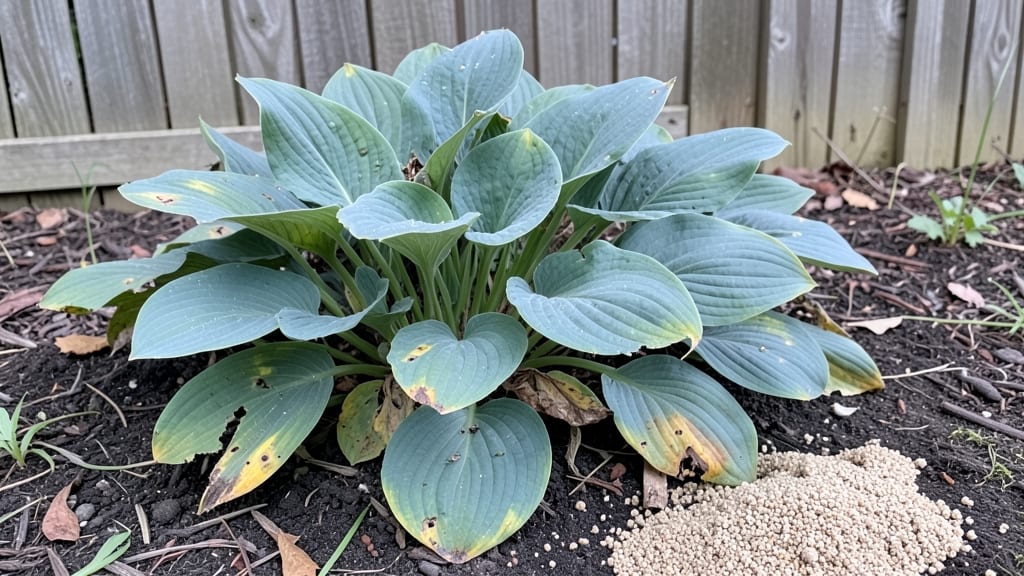
Fall fertilizing perennials isn't just a chore—it's the secret to next year's showstopper blooms. 🌿 I learned this the hard way after my peonies produced half the flowers they should have, and it all came down to one missed feeding window.
The right nutrients now mean stronger roots, more buds, and plants that bounce back faster from winter.
Timing is everything: aim for 6-8 weeks before your first frost, when plants are still active but slowing down. A slow-release, balanced fertilizer (like 10-10-10) works best—it feeds roots steadily without encouraging late-season growth that can't survive cold snaps.
For organic gardeners, compost or bone meal does the trick just as well, though it may need a second application in early spring.
You'll see the difference in spring when your perennials emerge vibrant and vigorous, not struggling to catch up. Daylilies will multiply faster, coneflowers will stand taller, and even finicky plants like hostas will reward you with lush foliage.
The key is consistency—don't skip this step, even if your plants look fine now.
Regional tweaks matter: in warmer zones (like 8-10), wait until late October or November, while colder climates (zones 3-5) can fertilize as early as September. Over-fertilizing now can burn roots, so follow package rates and water thoroughly after applying.
Trust me, your future self will thank you when the garden bursts into color earlier than ever.
📚 In This Guide
- What you need
- Instructions
- Tips and common mistakes
- Wrapping up and next steps
What you need
- ● Slow-release fertilizer: Choose a balanced, organic option (e.g., 10-10-10 or 5-5-5 NPK ratio). Quantity: ~1 lb per 100 sq ft of garden bed.
- ● Compost or well-aged manure: Enhances soil structure and microbial activity. Quantity: 2–3 inches spread evenly over beds.
- ● Garden gloves: Heavy-duty to protect hands from soil and sharp tools.
- ● Watering can or hose with a gentle spray nozzle: For even hydration post-fertilizing.
- ○ Pruners (optional but handy): For trimming dead foliage before fertilizing.
- ● Garden fork or tiller: Loosens soil 4–6 inches deep (helps roots absorb nutrients).
- ○ Broadcast spreader: For even fertilizer distribution (optional but efficient).
- ○ Soil test kit: Check pH and nutrient levels (optional but recommended)—aim for pH 6.0–7.0 for most perennials.
- ● Mulch (straw, shredded leaves, or pine needles): 2–3 inches to retain moisture and regulate soil temp.
- ● Choose a cool, overcast day to avoid stressing plants.
- ● Wait until after the first frost but before hard freeze (typically late October–November, depending on your zone).
- ● Ensure perennials are dormant or semi-dormant (no new growth).
Step-by-Step guide to late-season perennial fertilizing
Here’s how to give your perennials the right nutrients this fall for stronger roots and bigger blooms next year.
💧 Step 1: Water Deeply Before Applying Fertilizer
Perennials need moisture to absorb nutrients effectively. Water the soil to a depth of 6 inches the day before fertilizing—this ensures the fertilizer moves into the root zone rather than sitting on the surface. You’ll know you’ve watered enough when the soil feels damp 2-3 inches down when you check with your finger.
If your soil is dry and crumbly at the surface, give it a thorough soaking. Avoid fertilizing if heavy rain is forecast within 24 hours, as nutrients will wash away before roots can take them up. This step prevents fertilizer burn and ensures your plants make the most of the nutrients you’re providing.
🌱 Step 2: Choose the Right Fall Fertilizer
For perennials, a balanced, slow-release fertilizer with equal parts nitrogen, phosphorus, and potassium (like a 10-10-10 formula) is ideal. Avoid high-nitrogen fertilizers now—too much encourages tender new growth that won’t survive winter. Instead, opt for a low-nitrogen, high-phosphorus blend to strengthen roots.
Spread the fertilizer evenly over the soil surface, keeping it 3-4 inches away from plant stems to prevent damage. Lightly scratch it into the top ½ inch of soil with a rake or your fingers. This helps the granules break down gradually, feeding roots throughout the dormant season.
⏰ Step 3: Apply at the Right Time
Timing is everything—fertilize 4-6 weeks before your first hard frost when temperatures stay above 40°F during the day. This gives roots time to absorb nutrients before the ground freezes. If your climate has mild winters, you can fertilize up to 8 weeks before frost for extra root development.
Watch for signs of stress, like yellowing leaves or stunted growth. If you see these after fertilizing, you’ve likely overdone it. Perennials are tough, but they won’t recover if fertilized too late in the season. A light application now is better than a heavy one too close to winter.
☀️ Step 4: Mulch to Lock in Moisture and Nutrients
After fertilizing, spread 2-3 inches of organic mulch (like shredded leaves or straw) over the soil. This keeps moisture in and prevents nutrient loss over winter. Mulch also insulates roots, protecting them from extreme temperature swings. Avoid piling mulch directly against stems—leave a 1-inch gap to prevent rot.
Your perennials will thank you next spring with vibrant foliage and abundant blooms. The key is consistency: fertilize at the same time each fall, and your plants will reward you with stronger growth year after year. This small effort now pays off in bigger, healthier plants tomorrow.
Tips & tricks for perfect late-season perennial fertilizing
Timing and technique make all the difference when it comes to fall fertilization—here's how to get it right every time.
The Moisture Factor: In Step 1, when you're watering to 6 inches depth, focus on the soil's texture rather than just volume. Sandy soils may need more frequent watering, while clay soils hold moisture longer. I check for dampness at 2-3 inches down by pressing my finger—if it feels dry, give it another soaking. This ensures your perennials are primed for nutrient absorption when you fertilize the next day.
Fertilizer Application Technique: When spreading your balanced 10-10-10 fertilizer in Step 2, use a spreader for even distribution. The key is working that fertilizer into the top ½ inch of soil—don't just leave it on the surface. I like to use a small rake or even my fingers to gently incorporate it, which prevents burning and ensures gradual release. Remember to keep it 3-4 inches from stems to avoid damage.
Timing is Critical: The 4-6 week window before hard frost at 40°F is your target, but local conditions matter. I check my local frost date and count back, then verify that daytime temps consistently stay above 40°F. If you're in a mild climate where winters rarely drop below freezing, you can extend this to 8 weeks—but don't go later than that. The goal is to give roots time to absorb nutrients before dormancy sets in.
Mulch Layering Strategy: For Step 4, when applying your 2-3 inches of organic mulch, consider layering different materials. Start with 1 inch of coarse material like straw at the bottom for drainage, then add 1-2 inches of finer mulch like shredded leaves on top. This creates an insulating blanket that protects roots while allowing moisture to penetrate. The 1-inch gap from stems is crucial—it prevents rot while still providing insulation.
Pro Tips for Fall Fertilizing Perennials
- Timing and technique make all the difference when it comes to fall fertilization—here's how to get it right every time.
- The Moisture Factor: In Step 1, when you're watering to 6 inches depth, focus on the soil's texture rather than just volume.
- Fertilizer Application Technique: When spreading your balanced 10-10-10 fertilizer in Step 2, use a spreader for even distribution.
Frequently asked questions
Got questions about fall fertilizing perennials?
You’re not alone! Here are answers to the most common queries—so you can fertilize with confidence and set your garden up for stunning next-year blooms.
When is the exact best time to fertilize perennials in fall?
Ideally, fertilize 6–8 weeks before the first hard frost (typically late September to early October in most U.S. zones). This gives roots time to absorb nutrients before dormancy. Pro tip: If your area has unpredictable frost dates, err on the earlier side—roots need time to soak up the good stuff!
What if frost hits before I can fertilize?
Don’t stress! If frost arrives early, skip fall fertilization and focus on spring instead. Perennials are resilient—they’ll bounce back with a light spring feed (like compost or a balanced 10-10-10) when growth resumes. Think of it as a “do-over” for next year!
Can I use any fertilizer, or are some better for fall?
Stick to low-nitrogen, slow-release fertilizers (like 5-10-10 or organic options such as bone meal or compost). High-nitrogen fertilizers (like lawn food) can stimulate late-season growth, which weakens plants before winter. Bonus: Organic fertilizers improve soil structure over time—win-win!
What if my perennials look burned after fertilizing?
Fertilizer burn happens when salts concentrate in the soil. Flush the area with water immediately and avoid fertilizing again until spring. To prevent it, water thoroughly before and after applying fertilizer, and avoid granular fertilizers on dry soil. Think of it as a “hydration check” for your plants!
Do all perennials need fall fertilization?
Not necessarily! Established perennials (3+ years old) benefit most, but newly planted or struggling plants may need a gentler touch. Skip fertilizing woody perennials (like shrubs) or those already stressed (e.g., wilting or pest-ridden). When in doubt, amend soil with compost instead—it’s like a spa day for roots!
Wrapping up and next steps
Fall fertilizing perennials is your secret weapon for vibrant blooms and lush growth next season! By feeding your plants now, you’re giving them the nutrients they need to thrive through winter and burst into action in spring.
Whether you’re a seasoned gardener or just starting out, this simple step makes a huge difference—so grab your gloves and get ready to set your garden up for success! 🌱
Ready to take the next step? Plan your fall garden tasks—test your soil, choose the right fertilizer, and mark your calendar for early autumn. Your future blooms will thank you! 🌸