
Landscaping
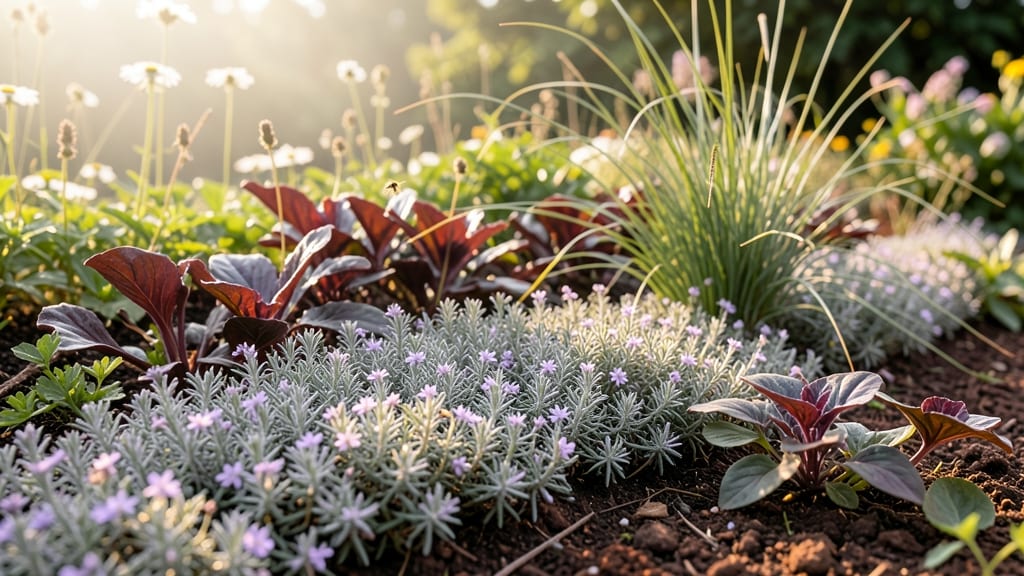
Transforming a simple garden bed into a stunning landscape feature starts with the right edging. These 10 timeless mulch bed edging ideas combine functionality with aesthetic appeal, helping your garden stand out while protecting your plants from weeds and erosion.
Natural Stone Pavers for Rustic Elegance
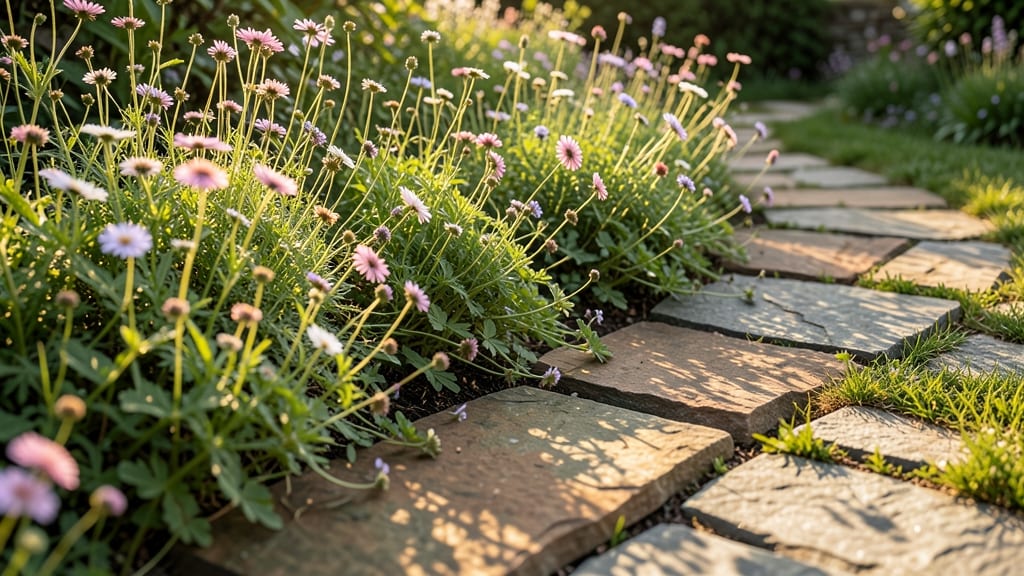
Cottage gardens thrive on charm, and natural stone pavers are the perfect way to elevate their rustic appeal. These irregularly shaped stones—often made from slate, sandstone, or flagstone—create a soft, organic edge that feels like an extension of the landscape itself. Their earthy tones (think warm grays, tans, and deep browns) harmonize effortlessly with mulch and seasonal blooms.
Beyond aesthetics, stone pavers offer long-term durability that resists weathering, erosion, and weed intrusion. Unlike plastic or wood, they won’t warp or degrade over time, making them ideal for high-traffic paths or perennial beds. For installation, simply lay stones along your bed’s perimeter, tucking them slightly into the soil for stability. Pair them with dark brown mulch to highlight their texture or use lighter stones to brighten shady corners.
This timeless choice is perfect for gardeners who love a low-maintenance yet high-impact look—especially those with cottage-style gardens or heritage plantings. The best part? These pavers age beautifully, developing a patina that only adds to their charm. 🌿
Black Plastic Edging for Low-Maintenance Gardens
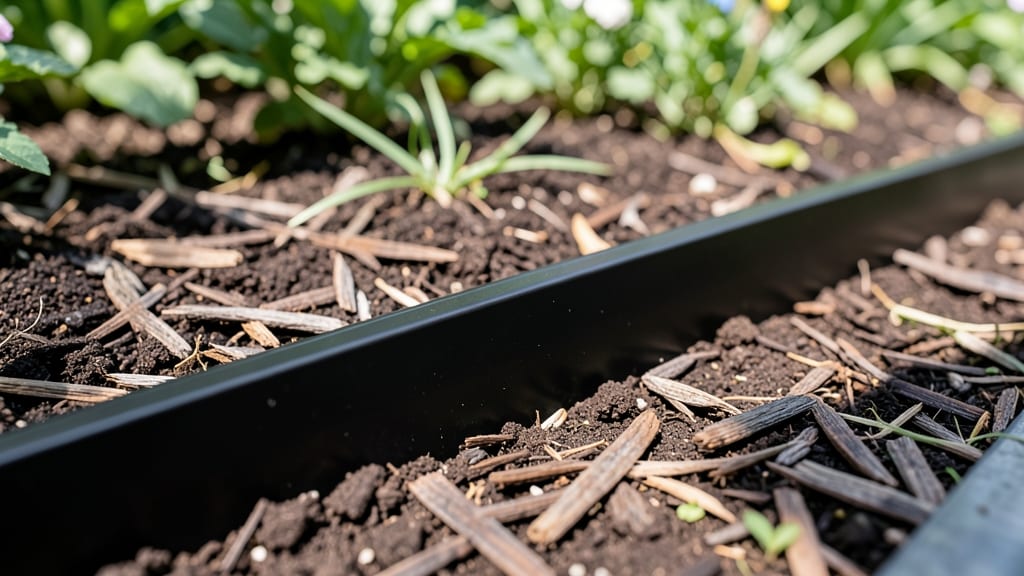
If you want clean, modern lines without the hassle of heavy materials, black plastic edging is your secret weapon. This budget-friendly solution creates sharp, weed-blocking borders that stay put—no shifting or sinking over time, unlike stones or bricks.
Installation takes just minutes with a spade or edging tool, and the flexible material bends easily around curves or tight spaces. It also blocks light to suppress weeds while keeping mulch contained, making it ideal for high-traffic areas or urban gardens where maintenance is minimal. Plus, the dark color contrasts beautifully with light mulch and bright plants.
Perfect for busy gardeners or those with modern landscapes, this edging requires zero upkeep and lasts for years. 💡
Brick Edging for Traditional Garden Borders
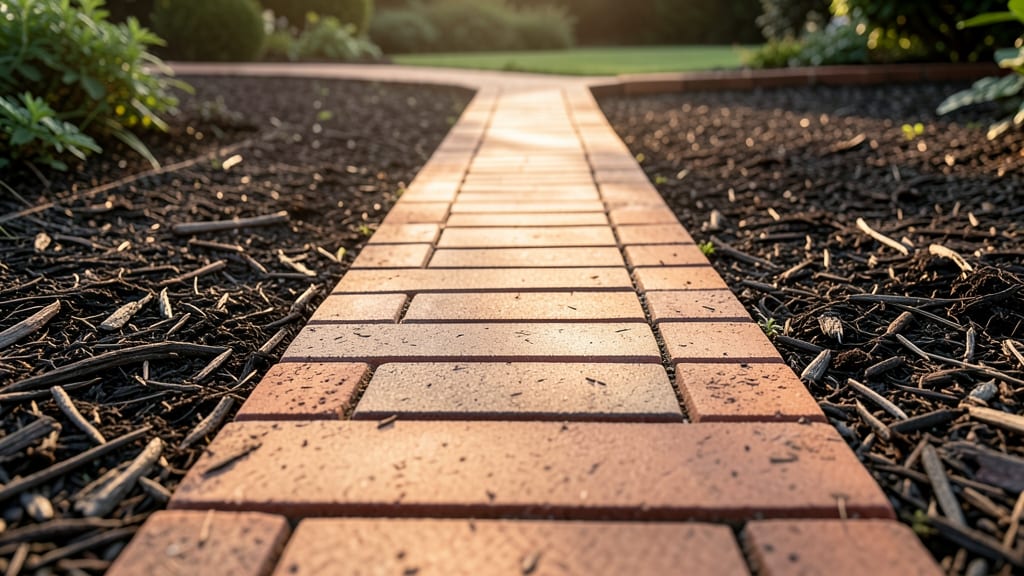
Want to elevate your garden with timeless charm while keeping weeds at bay? Brick edging delivers both elegance and practicality—perfect for formal garden layouts where structure meets sophistication.
These sturdy bricks create a polished, long-lasting border that supports heavy mulch layers without sinking or shifting. Their classic look pairs beautifully with hydrangeas, roses, or boxwoods, while the raised edges prevent mulch from spreading into lawns or pathways. For best results, use sand or gravel backfill to ensure stability and lay bricks in a herringbone or straight pattern for a refined finish.
Ideal for gardeners who love tradition and durability, brick edging requires minimal upkeep and adds instant curb appeal to any landscape. 🌟
Metal Landscape Edging for Contemporary Designs
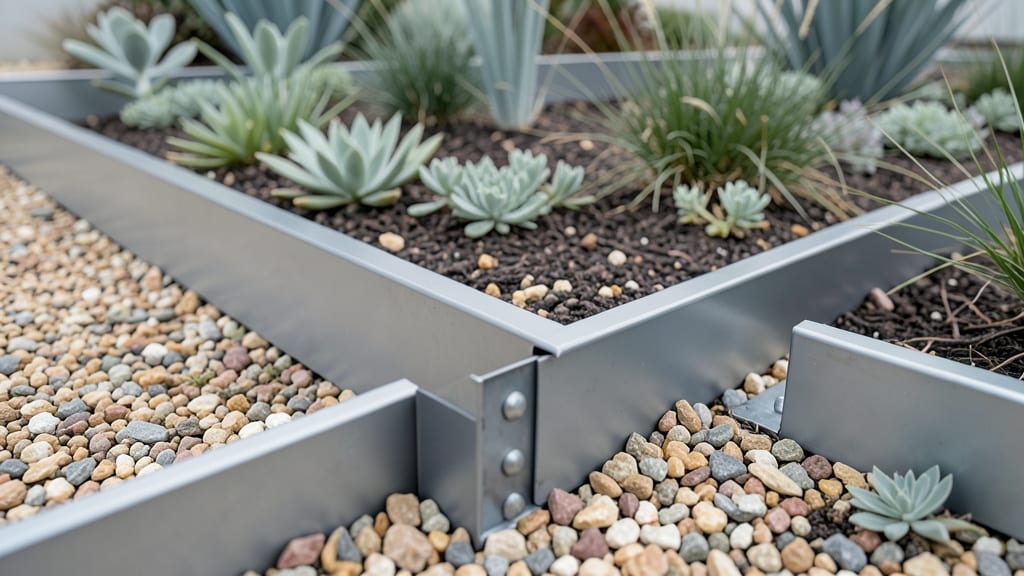
If your garden leans toward clean lines and minimalist charm, metal landscape edging is the unsung hero of contemporary design. Unlike traditional materials, it delivers a sleek, industrial look that pairs perfectly with urban gardens, rooftop planters, or modern patio spaces.
Most options are made from galvanized steel or aluminum, ensuring they resist rust and weathering while maintaining their sharp, polished edges. The lightweight design makes installation a breeze—no heavy lifting required—and the sturdy construction can even handle heavy foot traffic, making it ideal for pathways or high-visibility garden beds. Choose from pre-formed curves or straight sections to customize your layout without sacrificing precision.
This edging is perfect for gardeners who prioritize low-maintenance elegance and want to avoid the upkeep of wood or the rustic charm of stone. It’s also a great choice for small spaces where every inch counts. ✨
Wooden Edging for Organic Garden Beds
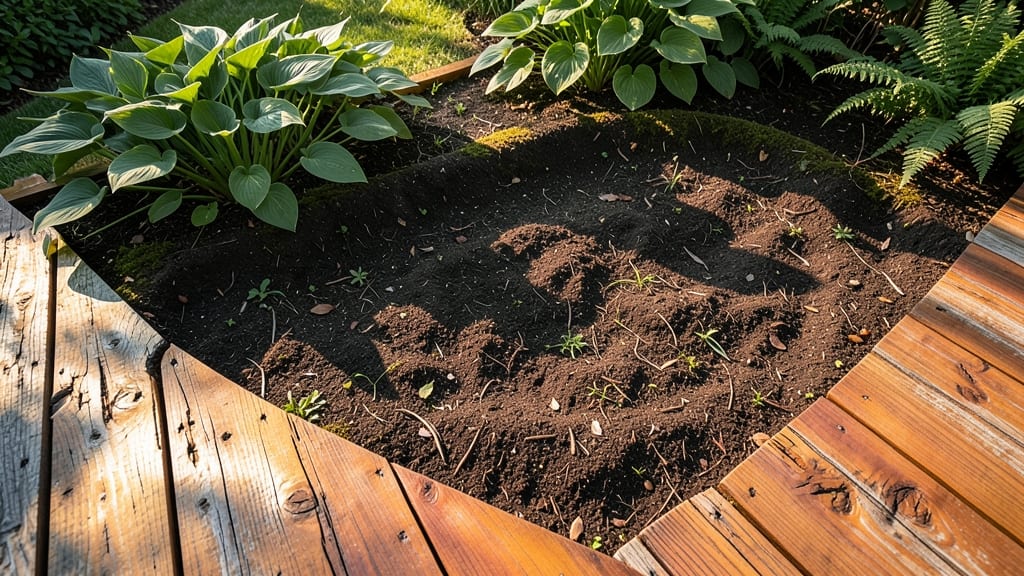
For eco-conscious gardeners who want to blend seamlessly with nature, wooden edging offers a biodegradable solution that enhances organic garden beds while enriching the soil over time. Unlike synthetic materials, untreated wood like cedar or redwood naturally decomposes, returning nutrients to the earth and eliminating waste. This makes it perfect for woodland gardens, permaculture plots, or any space where sustainability is a priority.
Installation is simple: use rough-sawn planks (2-4 inches wide) to create a low, natural border that follows the bed’s contours. Secure them with landscape staples or by pressing into the soil, then fill the center with mulch or leaf litter for a cohesive look. For extra longevity, treat the wood with food-safe, non-toxic sealants if needed—but many gardeners prefer the rustic charm of weathered wood. The warm tones complement earthy plantings like ferns, hostas, or native wildflowers beautifully.
This option is ideal for gardeners who prioritize low-impact materials and want to avoid plastic or metal edging. Over time, the wood breaks down, reducing the need for replacements and creating a self-sustaining cycle. It’s the perfect choice for those who love a natural, evolving garden that grows with the land. 🌱
Concrete Curbs for Formal Garden Layouts
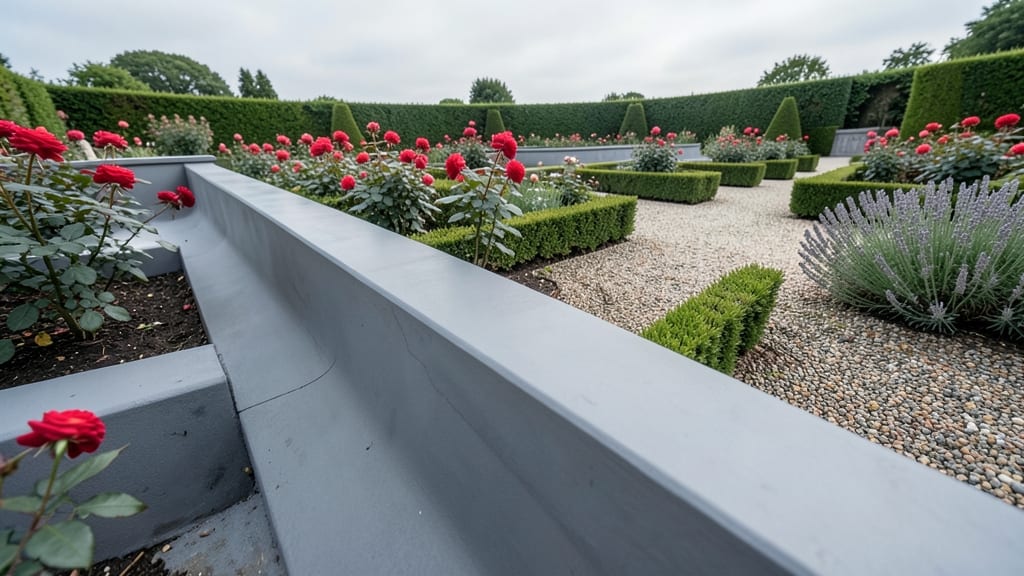
For gardeners who crave a high-end, timeless look that demands precision and permanence, concrete curbs deliver the ultimate in structured elegance. Unlike flexible or organic materials, concrete creates crisp, unyielding edges that define formal garden layouts—think French parterres, manicured rose beds, or geometric herb gardens—while standing up to decades of weather and foot traffic.
This edging isn’t just durable; it’s low-maintenance in the long run. Precast concrete curbs install quickly with minimal tools, and their smooth finish prevents mulch from spilling into lawns or pathways. For extra polish, opt for painted or stained concrete to match your garden’s color palette, or choose exposed aggregate for a textured, natural look. Concrete also resists pests and erosion, making it ideal for sloped beds or high-visibility areas like entryway gardens.
Perfect for landscape professionals, homeowners with formal gardens, or anyone who wants a "done-for-you" look, concrete curbs transform ordinary beds into showstopping features with zero compromise on longevity. 💪
Galvanized Steel Tape for Flexible Bending
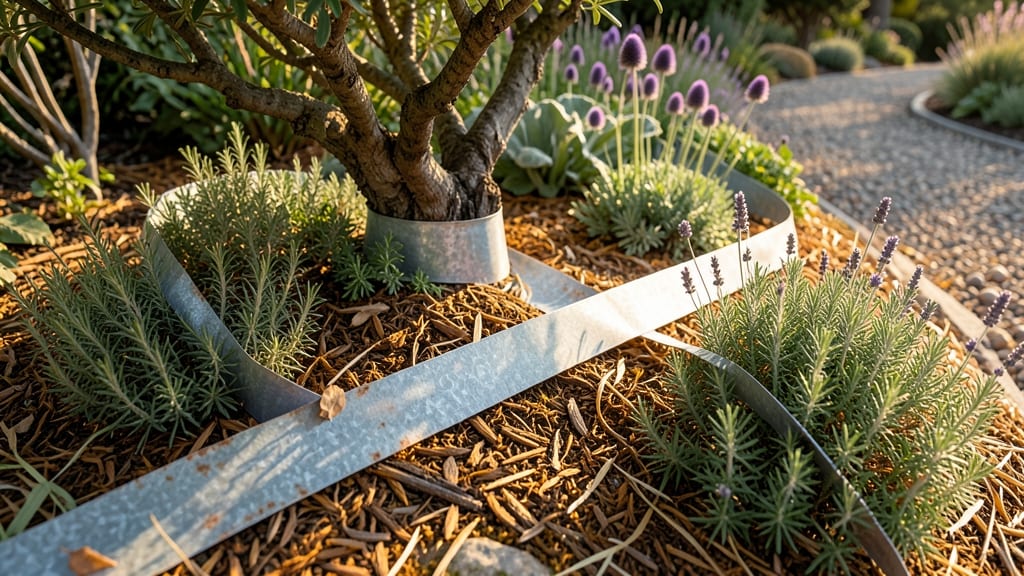
Struggling with the perfect edge for your swirling herb spiral or asymmetrical perennial bed? Galvanized steel tape is the game-changer you’ve been missing. Unlike rigid materials, this lightweight tape bends effortlessly around trees, shrubs, or curved pathways, creating clean lines without the fuss of cutting or shaping heavier edging.
Made from durable, rust-resistant steel, it snaps into place along your bed’s perimeter and stays put—no sinking or shifting over time. The pre-galvanized coating ensures longevity, even in wet climates, while its narrow profile keeps mulch contained without overwhelming your design. For installation, simply unroll the tape along your desired shape, secure it with landscape staples every 12-18 inches, and tuck the edges into the soil for a seamless finish.
This edging is ideal for gardeners who love custom, professional-looking borders without the hassle of traditional materials. It’s especially perfect for urban gardens, small spaces, or any design where flexibility meets precision. 🌱
Pebble Edging for Coastal or Zen Gardens
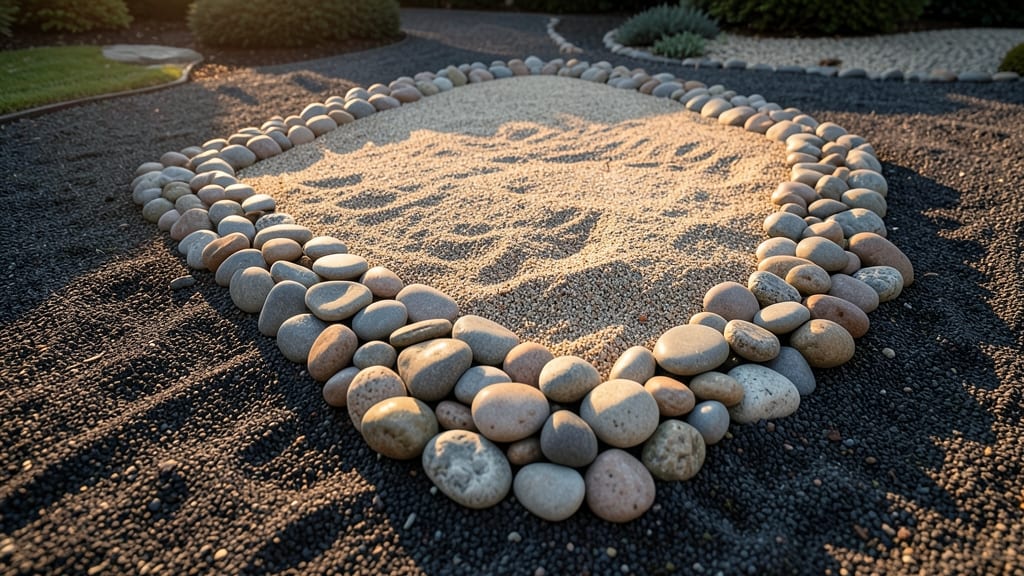
Bring the tranquility of a beach or the serenity of a Zen garden into your landscape with pebble edging—a soft, organic solution that mimics nature’s own borders. Unlike rigid materials, smooth river stones create a low, undulating line that blends seamlessly with sand-like mulch or gravel, evoking coastal or minimalist aesthetics.
Start by choosing rounded, uniform pebbles (1-2 inches in diameter) for a polished look, or mix sizes for a more natural, rugged edge. Lay them in a single layer along the bed’s perimeter, gently pressing them into the soil to secure them—no mortar or tools required. For extra stability, add a thin landscape fabric beneath the stones to prevent weeds from creeping through. This method works beautifully with drought-tolerant plants like succulents or ornamental grasses, enhancing the garden’s calming vibe.
Perfect for gardeners who love minimalist designs or coastal-themed spaces, pebble edging requires almost no maintenance and ages gracefully over time. It’s also a great choice for small gardens or containers, where its soft texture contrasts beautifully with sharp-edged plants. 🌿
Recycled Rubber Mulch Edging for Eco-Friendly Gardens
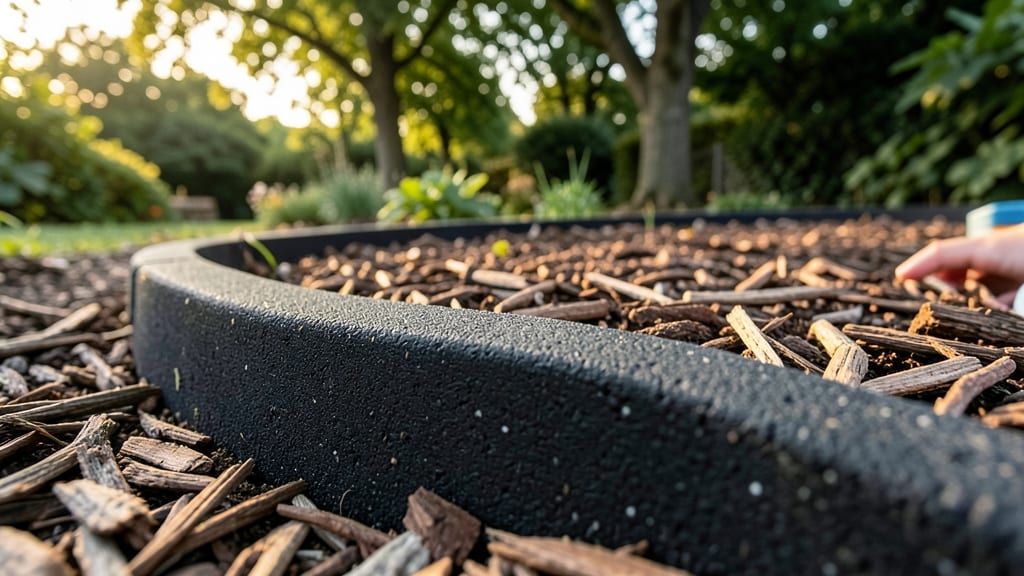
Want to create a garden that’s both eco-friendly and durable without sacrificing safety for kids or pets? Recycled rubber mulch edging is your answer—it’s made from repurposed tires, so it keeps waste out of landfills while providing a soft, flexible barrier that won’t harm curious little hands or paws.
This edging resists weathering, cracking, and fading, lasting far longer than wood or plastic options. Its flexible design makes it perfect for curved beds or uneven terrain, and it won’t degrade like organic materials. Plus, it’s easy to install with a simple stapling or pinning method, so you can finish the project in under an hour. 💡
Ideal for children’s play gardens, pet-friendly yards, or community spaces, this edging combines sustainability with practicality. It’s the guilt-free choice for gardeners who want durability without harming the planet. ✨
Living Edging with Low-Growing Plants

Skip the rigid borders and let nature do the work with living edging—a living, breathing border that grows with your garden. Instead of plastic or stone, use creeping thyme, ajuga, or sedge to create a soft, organic edge that suppresses weeds while adding fragrance and pollinator appeal.
These low-growing plants thrive in full sun to partial shade and require minimal care beyond occasional trimming. For example, creeping thyme spreads quickly in well-drained soil, creating a fragrant carpet that deters weeds naturally. Ajuga, with its striking purple foliage, adds color while staying under 6 inches tall. Plant them in a dense line along your bed’s perimeter for a seamless, eco-friendly transition.
Perfect for pollinator gardens or herb beds, living edging is ideal for gardeners who want a low-maintenance, sustainable solution that blends beautifully with the landscape. 🌿