
Tools
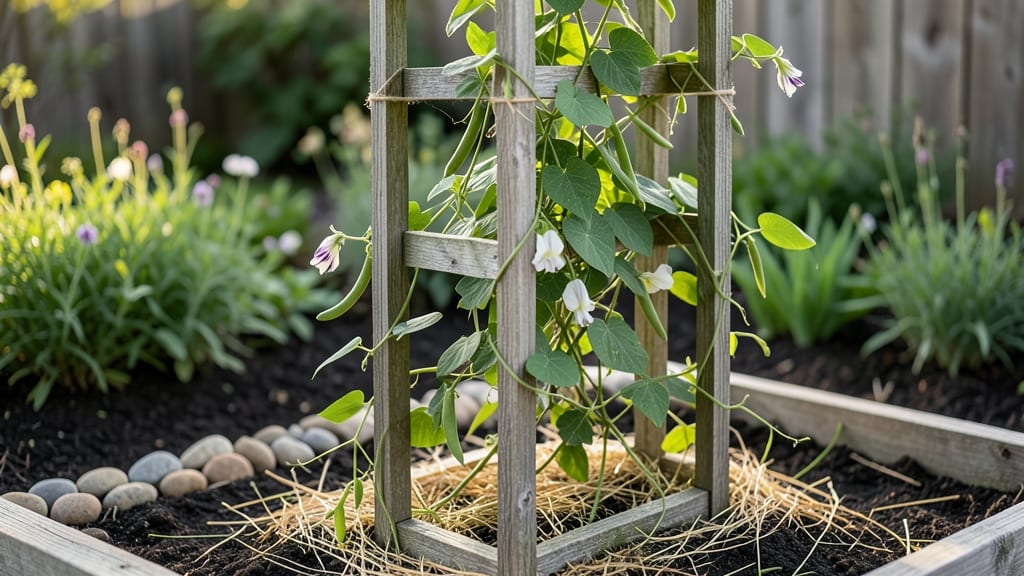
Creating vertical garden bed trellis ideas can turn a flat, underutilized space into a thriving, space-saving oasis that boosts your harvest and your garden’s beauty.
Picture this: your cucumbers climbing a rustic wooden lattice while nasturtiums spill over the edges, their bright blooms drawing in pollinators. That’s the magic of a well-planned trellis—it’s not just about support, but about designing a living tapestry that works with your plants’ natural growth habits.
Whether you’re working with a raised bed, an in-ground plot, or even a container, the right trellis transforms how you grow. You’ll save space, improve airflow to prevent disease, and create a stunning visual that changes with the seasons—from spring’s first tendrils to fall’s last harvest.
Below, I’ll walk you through 12 climbing plant pairings that thrive together, material options for durability and style, and layout tips to make your trellis both functional and a showstopper in your garden.
12 Best climbing plant pairings for garden bed trellises
Vertical gardening isn't just about saving space—it's about creating a harmonious ecosystem where plants support each other's growth. The right climbing plant pairings can maximize your trellis's potential, ensuring complementary sunlight needs, shared nutrients, and sequential harvests.
For example, pairing fast-growing cucumbers with slow-climbing roses creates a dynamic duo where cucumbers provide early shade for delicate rose buds while roses add long-term beauty and fragrance.
When selecting combinations, focus on three key factors: growth speed (to avoid one plant outcompeting another), sunlight tolerance (full sun lovers vs. partial shade plants), and harvest timing (early vs. late producers).
My favorite pairings balance these elements while adding visual interest and functional benefits, like pest control or pollinator attraction. Let's explore 12 of the best garden bed trellis ideas that deliver both beauty and bounty.
Comparison Table: Top 12 Climbing Plant Pairings
| Pairing | Sunlight Needs | Growth Speed | Harvest Timing | Benefits |
|---|---|---|---|---|
| Cucumbers + Nasturtiums | Full sun (6+ hrs) | Fast (60-75 days) | Early to mid-summer | Pest deterrent; edible flowers |
| Beans (Pole) + Morning Glories | Full sun (6+ hrs) | Moderate (50-60 days) | Mid-summer | Nitrogen fixation; vibrant blooms |
| Squash (Vining) + Marigolds | Full sun (6+ hrs) | Moderate (60-70 days) | Late summer | Pest repellent; companion growth |
| Peas (Sugar Snap) + Clematis | Partial shade (4-6 hrs) | Fast (60 days) | Early summer | Early shade for clematis; edible pods |
| Melons (Mini) + Zinnias | Full sun (8+ hrs) | Slow (70-80 days) | Mid to late summer | Pollinator magnet; compact growth |
| Grapes (Muscadine) + Honeysuckle | Full sun (6+ hrs) | Slow (2+ years) | Late summer/fall | Fragrance; long-term structure |
| Malabar Spinach + Passionflower | Partial shade (4-6 hrs) | Moderate (90 days) | Ongoing harvest | Heat-tolerant; edible leaves |
| Tomatoes (Indeterminate) + Basil | Full sun (6+ hrs) | Moderate (70-80 days) | Mid to late summer | Flavor enhancement; pest control |
| Kiwi (Hardy) + Wisteria | Full sun (6+ hrs) | Slow (3+ years) | Fall/winter (kiwi) | Privacy screen; dual harvests |
| Sweet Peas + Roses (Climbing) | Full sun (6+ hrs) | Fast (60-70 days) | Early summer (peas); late summer (roses) | Fragrance; sequential blooms |
| Pumpkins + Sunflowers (Tall) | Full sun (8+ hrs) | Slow (90+ days) |
How to choose the right trellis type for your plantsSelecting the perfect trellis for your garden bed isn't just about aesthetics—it's about supporting your plants' growth while maximizing your space. The wrong choice can lead to floppy vines or even structural failure, especially with heavy climbers like clematis or pole beans. Start by matching the trellis material and structure to your plants' unique needs, from weight-bearing capacity to growth speed. Heavy vines like grapevines or passionflowers demand sturdy metal or wooden trellises, while lightweight annuals such as morning glories thrive on simple plastic obelisks. Your garden's layout also plays a role—tight spaces benefit from freestanding obelisks, while long beds pair well with A-frame arches. Let's explore the best options for your vertical garden dreams. 🌱 Trellis Style Guide
For DIY enthusiasts, wooden trellises are the most customizable. Use cedar or redwood for natural rot resistance, and reinforce joints with galvanized screws. Pre-made options, however, save time—especially powder-coated metal trellises that resist rust and support 20+ lbs of plant weight. Always check your trellis's weight limit before planting heavy vines. Fast-growing plants like squash or cucumbers need trellises that can handle rapid expansion. Opt for flexible materials like bamboo or plastic that won't snap under pressure. If you're growing multiple plant types together, choose a trellis with adjustable heights—like a modular obelisk—to accommodate different growth stages. Don't forget about seasonal maintenance. Wooden trellises may need annual sealing, while metal ones should be checked for rust spots. For small gardens, consider foldable trellises that store easily. Whether you're trellising a sunny herb bed or a shady flower border, the right structure makes all the difference in your garden's vertical success. Pro tip: Pair your trellis choice with companion plants that share similar care needs. For example, cucumbers and nasturtiums both love trellises and thrive in full sun. This not only saves space but also creates a low-maintenance vertical ecosystem. |