
Flowers
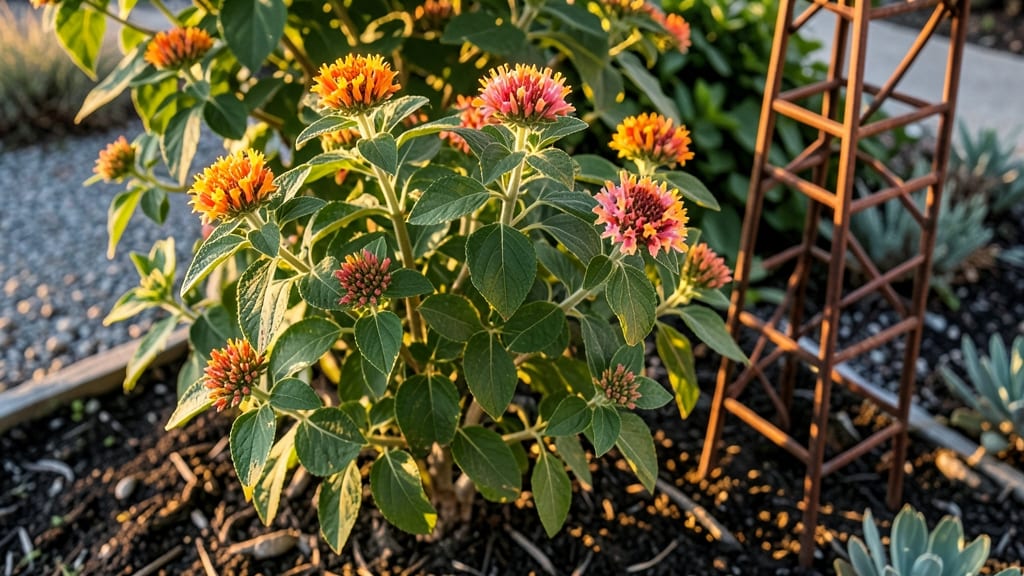
Whether your lantana flower annual or perennial depends on your climate—it’s a hardy perennial in frost-free zones but acts as an annual when winter dips below 30°F. ground in Georgia’s colder pockets, forcing a replant each spring. The difference comes down to cold hardiness, not the plant itself.
Lantana’s woody stems trick you into thinking it’s tougher than it is—those branches can’t survive frost, even if the roots might. In warmer climates, it self-seeds aggressively, turning gardens into vibrant, low-maintenance patches of purple, yellow, or pink.
But in colder areas, it’s all about timing: plant after the last frost, and you’ll get summer-long blooms before the first freeze.
Here’s the game-changer: prune back to the ground in fall if you’re in a borderline zone—sometimes the roots survive, and new growth emerges in spring. In colder areas, treat it like an annual and replant each year.
Either way, you’ll end up with a plant that’s drought-tolerant, pollinator-magnet, and impossible to kill if you time it right.
Regional variations matter—Zones 9-11? Perennial. Zones 8 and below? Annual. The key is knowing your frost dates and adjusting your expectations. Once you do, lantana becomes the ultimate carefree summer performer.
Frequently asked questions
about whether lantana is annual or perennial—and how to keep it thriving—can be tricky! Here are answers to the most common questions to help you grow this vibrant plant with confidence.How cold can lantana tolerate before dying?
Lantana is not cold-hardy! Most varieties survive only in USDA Zones 9–11. Below 30°F (-1°C), frost will kill the plant—even if it’s perennial in warm climates. In colder areas, treat it as an annual or grow it in containers to move indoors during winter.
Can I grow lantana as a perennial in cooler climates?
Not without help! While lantana is technically a perennial in warm zones, it won’t survive freezing temps. Try these tricks:
- Plant in large pots and bring them inside before frost.
- Use a cloche or row cover for light protection in mild winters.
- Choose cold-hardier hybrids (like Lantana camara ‘New Gold’) if possible.
Will lantana regrow if cut back after frost damage?
Sometimes! If the roots survive, lantana may sprout new growth in spring. Cut back dead stems to 6 inches and fertilize lightly. However, if the entire plant looks mushy or black, it’s likely dead—start fresh with new cuttings or seeds.
Are there perennial alternatives to lantana?
Yes! If you love lantana’s colorful blooms but need cold-hardy options, try:
- Salvia (Zones 5–11)
- Zinnias (annual but self-seeds easily)
- Blackfoot Daisy (Zone 5–9)
- Coneflower (Echinacea) (Zone 3–9)
Why does my lantana keep dying in winter?
Overwatering or poor drainage are top culprits! Lantana hates soggy roots—ensure pots have drainage holes and soil dries between waterings. Also, lack of sunlight weakens the plant. If indoors, place it near a south-facing window for 6+ hours of light daily.
Final thoughts
So, is the lantana flower annual or perennial? The answer lies in your climate!
While lantana thrives as a perennial in warm, frost-free zones (like USDA Hardiness Zones 9-11), it often behaves as an annual in colder regions—relying on seeds or cuttings to bounce back each spring. 🌱 Whether you’re nurturing it year-round or treating it as a seasonal star, its vibrant blooms are a worthwhile addition to any garden.
Ready to grow your own? Start by checking your local frost dates, then grab some cuttings or seeds to plant! With the right care, you’ll enjoy its cheerful colors for seasons to come—no cold-weather worries required.