
Flowers
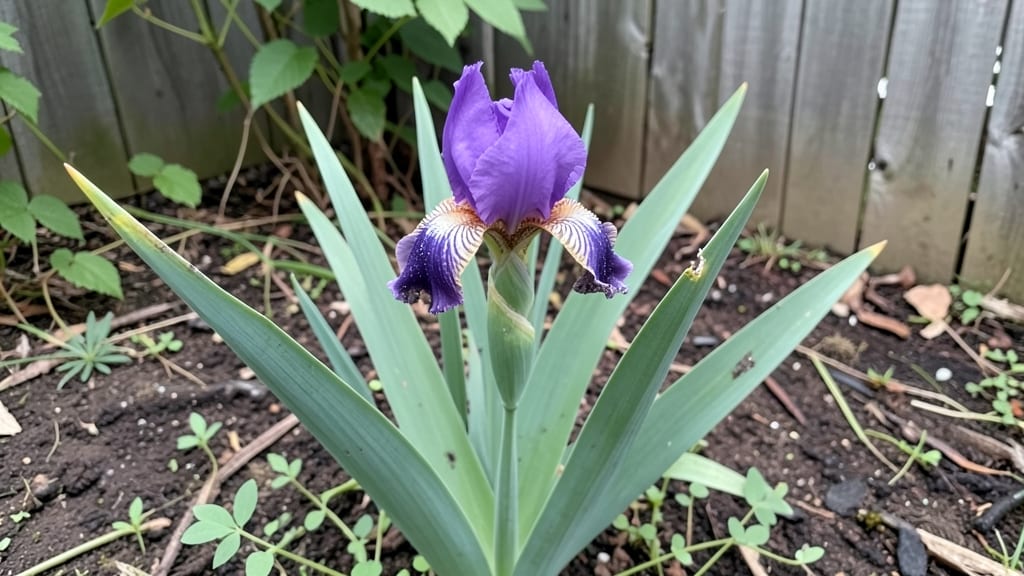
Deciding whether iris flowers are annual or perennial depends on the variety—most irises are hardy perennials that regrow yearly in cooler climates, while tropical types often act as annuals. Bearded irises can live for decades with proper care, whereas Dutch irises typically bloom once before fading away.
Most gardeners know irises as long-lived perennials, but their lifespan varies wildly between species. 🌿 Bearded irises, for example, develop thick rhizomes that store nutrients for years, allowing them to rebound after winter dormancy.
Meanwhile, Dutch irises—common in cut-flower arrangements—rarely survive past one season because they lack the deep root systems needed for perennial growth. The key difference lies in their native climates: temperate irises evolved to handle freezing temperatures, while tropical varieties can't withstand cold snaps.
Understanding these growth habits helps you choose the right iris for your garden. For instance, Siberian irises thrive in USDA zones 3-9, while Japanese irises prefer zones 4-8. Dutch irises, on the other hand, are best treated as annuals or replanted yearly for consistent blooms.
This distinction isn't just academic—it directly impacts how you plant, fertilize, and divide your irises to maximize their lifespan.
💡 In This Article
- How Iris Growth Habits Differ by Type
- Tips for Prolonging Perennial Iris Longevity
How iris growth habits differ by type
The fundamental difference between annual and perennial irises comes down to their root systems and climate adaptations. Bearded irises develop thick, fleshy rhizomes that store carbohydrates and nutrients, allowing them to survive winter dormancy in USDA zones 3-9.
These rhizomes can live for 20-30 years or more with proper care, regenerating foliage each spring from stored energy. Siberian irises, another perennial type, have fibrous roots that spread aggressively, creating dense clumps that thrive in moist soils—ideal for zones 3-9 as well.
Japanese irises take a different approach with their rhizomatous growth and preference for zones 4-8, often found near water sources. Their roots develop in a fan-like pattern, allowing them to absorb moisture efficiently while tolerating cooler temperatures. In contrast, Dutch irises—common in cut-flower arrangements—lack these deep storage systems.
Their slender, bulb-like structures (corms) store minimal nutrients, causing them to exhaust their energy after one blooming cycle in zones 6-10 before dying back. This tropical adaptation explains why they're typically treated as annuals.
The science behind dormancy plays a crucial role. Perennial irises enter a 6-8 week dormancy during winter, conserving energy in their roots. Bearded irises, for example, reduce foliage to just a few leaves while their rhizomes remain active underground.
Tropical varieties like Dutch irises can't handle freezing temperatures, so their life cycle is tied to warm seasons—once temperatures drop, their corms either die or require replanting. This biological difference means Dutch irises are better suited for container gardening or as short-term garden accents.
Hardiness zones also dictate iris behavior. Siberian irises, for instance, can tolerate -30°F winters thanks to their fibrous roots, while Japanese irises prefer milder winters (20°F minimum). Dutch irises, however, struggle below 25°F, which is why they're rarely found in perennial gardens outside zones 7-10.
The key factor here is how each type evolved: temperate irises developed cold resistance, while tropical varieties prioritized rapid growth and blooming in warm climates.
Consider these growth habits when planning your garden. Bearded irises, with their decades-long lifespan, are ideal for permanent garden beds, while Dutch irises shine as seasonal highlights in annual displays.
Siberian irises, with their aggressive spread, work well in naturalized areas, whereas Japanese irises add elegance to water gardens. Understanding these distinctions helps you match iris types to your climate and gardening goals.
What most gardeners don't realize is how soil preparation affects longevity. Perennial irises thrive in well-draining soil with pH 6.0-7.0, while Dutch irises prefer slightly acidic conditions (pH 5.5-6.5).
This small difference can mean the difference between a 10-year iris and one that lasts just a single season. 💫