
Flowers
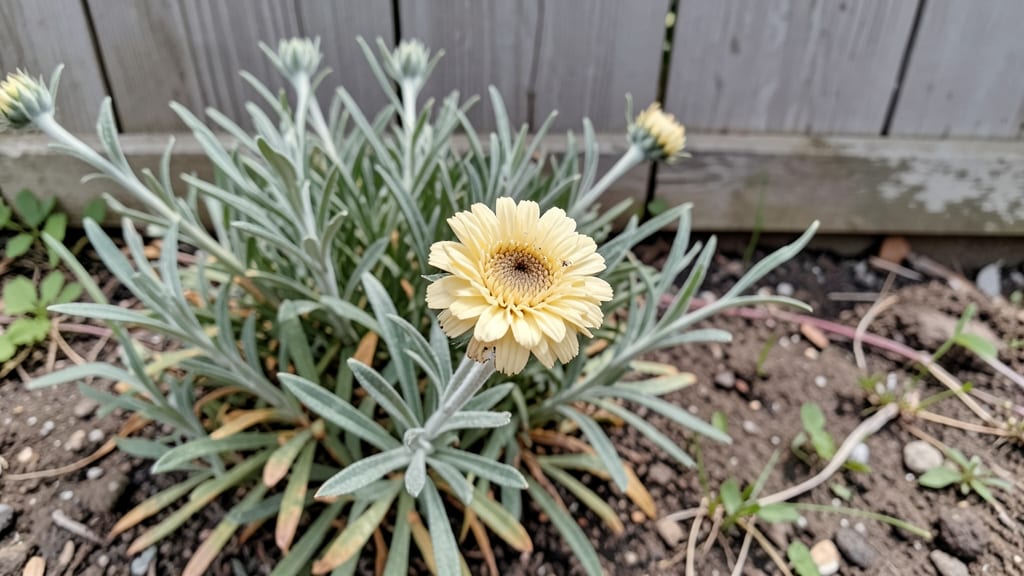
This classification stems from their tropical origins—straw flowers (like Helichrysum varieties) evolved in regions where frost would kill them back anyway.
Unlike hardy perennials such as black-eyed Susans or coneflowers, their fibrous root systems can't survive freezing temperatures, forcing them to restart from seed each spring. 🌱 Interestingly, in frost-free zones (USDA zones 9-11), they may self-seed prolifically, creating the illusion of perennial behavior—but even then, individual plants rarely live beyond two years.
What makes them so beloved is their three-month bloom window (from summer through fall) and ability to thrive in poor soil with minimal water. Their papery, everlasting-like flowers dry beautifully, too—perfect for arrangements that last years.
The key to "perennializing" them lies in strategic planting: choose varieties like 'Limelight' or 'Moonwalk', which self-seed aggressively, or overwinter cuttings in a greenhouse to restart growth earlier. This mimics how true perennials persist, though with more effort.
💡 In This Article
- Why Straw Flowers Die Back After One Season
- How to Extend Straw Flower Blooms Year-Round
Why straw flowers die back after one season
Here's what's actually happening: straw flowers (genus Helichrysum) are biological annuals because their native tropical and subtropical habitats lack freezing temperatures. Their life cycle is hardwired to complete in one growing season—typically 90-120 days from seed to seed production.
Unlike true perennials, they don't invest energy in developing robust underground storage organs like rhizomes or deep taproots. Instead, they allocate resources to rapid above-ground growth and seed production, which is their survival strategy in frost-prone regions.
The key factor is their frost sensitivity. Straw flowers lack the cold-hardiness mechanisms of perennials like black-eyed Susans (Rudbeckia hirta), which can survive -20°F winters through specialized root structures.
Straw flowers, however, begin dying back when temperatures drop below 32°F, with their fibrous root systems unable to regenerate after frost damage. This is why they're classified as annuals even in mild climates—without human intervention, they complete their cycle and disappear by winter.
What most people don't realize is how their growth habit differs from true perennials. Straw flowers develop a shallow, fibrous root system that spreads horizontally rather than vertically. This makes them excellent for erosion control but poor at surviving winter dieback.
Compare this to coneflowers (Echinacea), which have deep taproots that store nutrients and can regrow from the same rootstock year after year. Straw flowers, by contrast, rely entirely on seed production for propagation.
Their tropical origins also explain why they bloom so prolifically in summer—this is their evolutionary adaptation to take advantage of warm, frost-free periods. In regions with USDA zones 9-11, they may self-seed aggressively, creating dense stands that give the illusion of perennial behavior.
However, even in these zones, individual plants rarely survive more than two years without cultivation interventions like cuttings or greenhouse overwintering.
Interestingly, their papery flower heads contain compounds that naturally preserve their structure even after drying, which is why they're called "everlasting" flowers. This preservation trait is another adaptation from their native environments where flowers often dry naturally on the plant before seed dispersal.
The same compounds that make them last in arrangements also contribute to their inability to regrow—energy is funneled toward seed production rather than root development.
For gardeners, this botanical reality means straw flowers require annual replanting unless you're in a frost-free zone or actively propagate them. The trade-off is their three-month bloom window and remarkable drought tolerance—qualities that make them worth the annual effort for many gardeners.