
Flowers
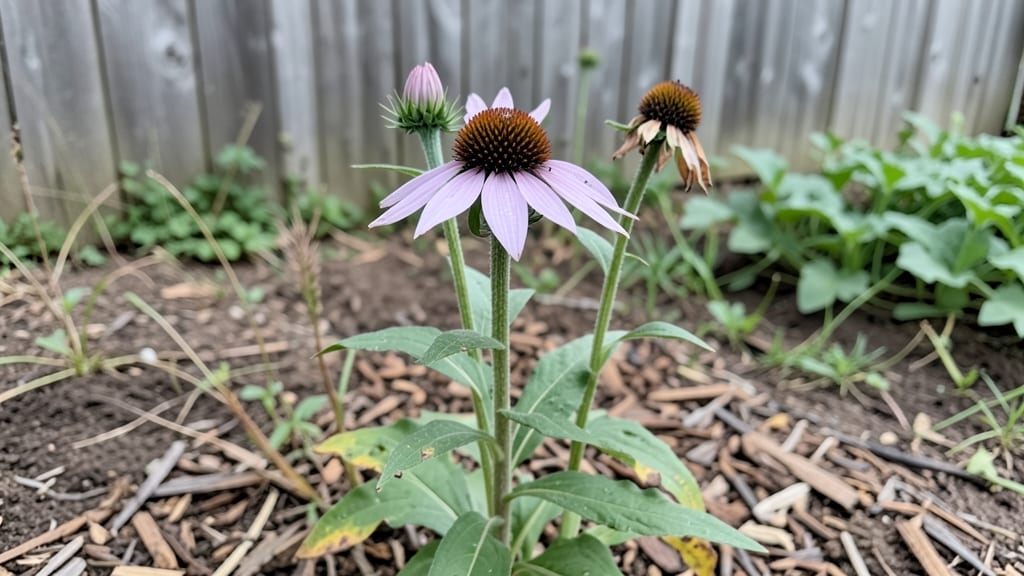
Perennial flowers last 3 to 5 years or longer, with some varieties like peonies living for decades while others such as columbines may fade after 3–4 years. Their lifespan hinges on proper care, climate suitability, and seasonal maintenance.
Understanding how long perennials thrive helps you plan your garden with confidence. 🌸 The difference between a 3-year bloom cycle and a 30-year peony bush often comes down to soil quality, sunlight exposure, and how you prune them.
For example, hardy perennials like coneflowers adapt to tough conditions, while delicate hostas need consistent moisture and shade. Climate plays a huge role too—some perennials in Zone 5 may struggle in Zone 9's heat, while others thrive in both.
What's interesting is how maintenance directly impacts longevity. A well-mulched perennial bed in spring can add years to your flowers' life, while neglect leads to early decline. I've seen daylilies rebound after harsh winters with proper mulching, while others like bleeding hearts need careful winter protection.
The key is matching your care routine to each plant's specific needs.
💡 In This Article
- Factors Affecting Perennial Flower Longevity
- Year-by-Year Perennial Flower Care Guide
Factors affecting perennial flower longevity
Climate zones dictate how long perennials thrive by determining their dormancy cycles. Cold-hardy varieties like coneflowers (Echinacea) and black-eyed Susans thrive in USDA Zones 3-9, entering dormancy in winter to survive -20°F temperatures.
In contrast, tender perennials like canna lilies (Zones 7-11) struggle below 20°F, often dying back to the ground annually. The freeze-thaw cycle in northern climates actually strengthens hardy perennials by breaking down harmful pathogens in the soil.
Soil conditions create the foundation for longevity. Perennials like peony roots need well-draining soil with 6.0-7.0 pH to prevent rot, while hostas prefer slightly acidic soil (5.5-6.5 pH) with consistent moisture. The key is organic matter—adding 3-4 inches of compost annually improves soil structure and microbial activity.
What most gardeners miss is that clay soils can suffocate roots, while sandy soils drain too quickly, both reducing lifespan by 25-30% compared to loamy ideal conditions.
Sunlight exposure determines both growth vigor and flower production. Daylilies thrive in full sun (6+ hours daily) and can last 10+ years with minimal care, while lungworts prefer partial shade (3-6 hours) and may decline after 5 years if over-exposed.
The science here involves photosynthesis efficiency—too much sun causes leaf scorch, while insufficient light leads to leggy growth and weak stems. I've noticed Russian sage in my Zone 5 garden lasts 8+ years in full sun but struggles in shady spots.
Watering needs vary dramatically by type. Drought-tolerant perennials like lavender thrive with 1 inch of water weekly once established, while astilbes require 1.5-2 inches weekly for lush foliage. Overwatering is the silent killer—it causes root rot in 3-5 weeks for moisture-sensitive varieties.
The best approach is deep watering (6-8 inches deep) every 7-10 days during dry spells, which encourages deep root systems that access moisture during droughts.
Here's what's actually happening with dormancy cycles: In cold climates, perennials like bee balm store energy in their roots during winter, then regrow from crown buds in spring. Warm-climate perennials like salvias may grow year-round but still need 6-8 weeks of cooler weather (50-60°F) to trigger blooming.
The key difference is that cold-hardy perennials develop antifreeze proteins in their cells to prevent ice crystal formation, while tender perennials rely on mulch for insulation.
Consider these key factors when selecting perennials:
- Hardiness Zone: Match your climate—Zone 3 perennials won't survive Zone 10 heat
- Soil Type: Amend clay with sand/compost (50/50 mix); improve sandy soil with peat moss
- Sun Requirements: Verify minimum/maximum sunlight hours on plant tags
- Water Needs: Group plants with similar moisture requirements together
The most resilient perennials combine disease resistance, adaptable root systems, and prolific self-seeding. Coneflowers fit this profile perfectly—they spread via rhizomes, tolerate poor soil, and bloom July-September with minimal care. That's why they're the gold standard for low-maintenance gardens! 🌿