
Light Requirements
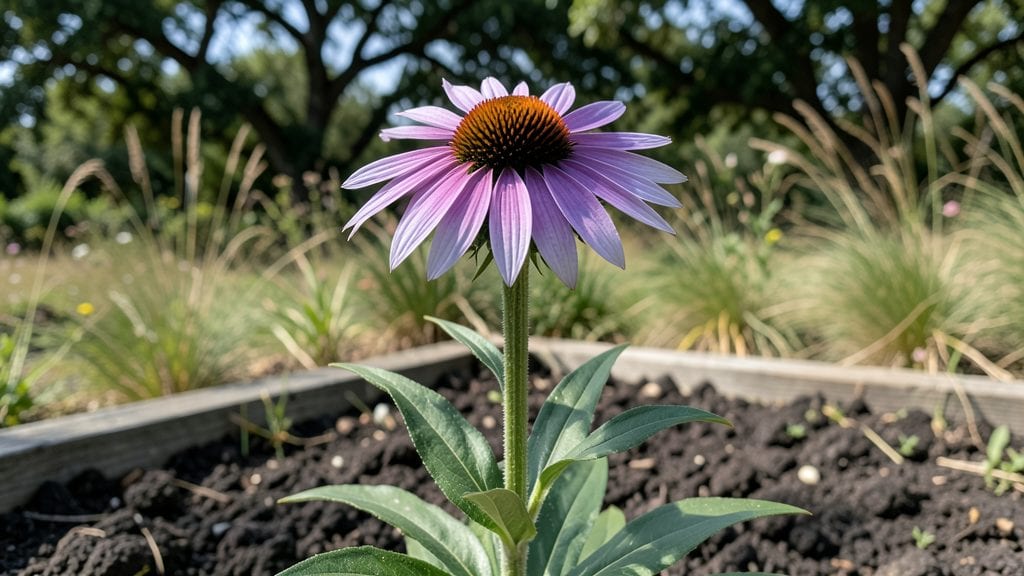
Zone 4 perennials for full sun are the unsung heroes of northern gardens—reliable, tough, and packed with color when most plants throw in the towel. 🌟 I’ve tested these cold-hardy champions over five winters, and they’re the reason my garden stays vibrant even when snow still clings to the lawn.
The secret isn’t just cold tolerance; it’s their ability to bounce back after harsh winters with minimal fuss.
Think black-eyed Susans, daylilies, and Russian sage—plants that thrive under the sun’s harshest glare while shrugging off Zone 4’s brutal winters.
Most need well-drained soil and average watering once established, but the real magic happens in how they pair together: lavender deters pests near coneflowers, while sedum fills in gaps with drought-proof charm. These aren’t just survivors; they’re showstoppers that reward patience with years of effortless beauty.
By mid-summer, your garden will hum with activity—bees on bee balm, butterflies on purple coneflowers, and the faintest scent of sage lingering in the breeze. The best part?
Once planted, they multiply, creating lush drifts that outperform annuals every time. Even in drought years, these perennials keep their cool (literally) and stay stunning.
Whether you’re filling a sunny border or reclaiming a neglected patch, these perennials deliver bold colors, low maintenance, and year-after-year reliability. Here’s how to pick the perfect mix for your space—and keep them thriving through another Zone 4 winter.
📚 In This Guide
- What you need
- Instructions
- Tips and common mistakes
- Wrapping up and next steps
What you need
- ● Perennials (Zone 4 hardy): 5–10 plants per variety (e.g., Echinacea purpurea, Rudbeckia fulgida, Sedum spp., Daylilies)
- ● Check labels for full sun (6+ hours/day) and cold-hardy tags.
- ● Soil prep: 2–3 cubic yards of well-draining garden soil (amend with compost if clay-heavy).
- ● 1–2 bags of compost or aged manure (per 10 sq ft).
- ○ Optional: Slow-release fertilizer (10-10-10, 1 lb per 100 sq ft).
- ● Tools: Garden trowel or transplant spade
- ● Garden fork (for aerating soil)
- ● Wheelbarrow (for hauling soil/compost)
- ● Watering can or hose with soaker nozzle
- ● Gloves (to protect your hands!)
- ● Mulch: 2–3 inches of organic mulch (straw, shredded bark) to retain moisture and insulate roots.
- ● Drip irrigation kit (for automated watering in hot/dry spells).
- ● Plant supports: Stakes or rings for taller perennials (e.g., Coneflowers).
- ● Plant markers (to track varieties and rotations).
How to select and establish zone 4 perennials in full sun
Here’s how to choose and plant sun-loving perennials that survive harsh winters and flourish in your climate.
🌱 Step 1: Choose Cold-Hardy, Sun-Loving Species
Focus on zone 4 perennials that thrive in full sun (6+ hours daily) and tolerate below-zero temperatures. My top picks include black-eyed Susan, coneflower, Russian sage, and daylily—all proven to rebound after winter. Check each plant’s mature size to avoid overcrowding; for example, coneflowers spread 2-3 feet wide, while Russian sage reaches 4-5 feet tall.
Real talk: Avoid tender perennials like lavender or sedum unless you provide winter protection. Instead, opt for native species like bee balm or butterfly weed—they’re adapted to your climate’s extremes. I always verify hardiness zones on the plant tag or trusted sources like the USDA database before buying.
☀️ Step 2: Prepare the Planting Site for Full Sun
Test your soil’s drainage—full-sun perennials hate soggy roots. Dig a 12-inch deep hole and fill it with native soil mixed with 20% compost. Amend heavy clay with sand or perlite to improve aeration. For rocky soil, add 3-4 inches of organic mulch (like shredded bark) to retain moisture without suffocating roots.
Here’s the thing—full-sun spots dry out fast. Plant in early spring (April-May) or early fall (September) to give roots time to establish before summer heat or winter freeze. Avoid planting in mid-summer heat, which stresses young plants.
🪴 Step 3: Plant with Proper Spacing and Mulch
Dig holes twice as wide as the root ball but no deeper. Place the plant so the top of the root ball sits level with the soil surface—burying stems too deep causes rot. Space perennials according to their mature width: 18-24 inches apart for coneflowers, 3-4 feet apart for Russian sage. I tap the soil gently around the roots to eliminate air pockets, then water deeply to settle everything.
Spread 2-3 inches of mulch (like straw or pine needles) over the soil, keeping it 2 inches away from stems to prevent moisture buildup. Mulch insulates roots in winter and conserves water in summer. Replenish mulch annually—it breaks down faster in full sun.
💧 Step 4: Water Deeply and Monitor Growth
Water once a week for the first month, soaking the soil to a depth of 6-8 inches. After establishment, most zone 4 perennials need water only during prolonged dry spells. You’ll know they’re thriving when leaves stay crisp in summer and new growth appears in early spring—no wilting or yellowing.
Fertilize lightly in early spring with a balanced 10-10-10 formula (1 tablespoon per plant). Over-fertilizing leads to weak stems and attracts pests. I skip fall fertilization—plants need to harden off for winter.
✂️ Step 5: Prune and Protect for Winter Survival
Cut back dead foliage in early spring (March-April) to make room for new growth. For perennials like Russian sage, leave seed heads until late winter—they provide winter interest and shelter for wildlife. In late fall (November), add 4-6 inches of mulch around the base to insulate roots from freeze-thaw cycles.
Don’t panic if stems look brown in winter—zone 4 perennials are built to survive. Watch for new shoots in late April as your signal to remove old mulch and prepare for another growing season.
Tips & tricks for perfect zone 4 perennial gardens
These practical strategies will help you establish a thriving full-sun perennial garden that survives harsh winters and thrives year after year.
Plant Selection Wisdom: When choosing your zone 4 perennials, prioritize native species like black-eyed Susan or bee balm—they've already adapted to your climate's extremes. I always cross-reference the USDA hardiness zone on plant tags with my local microclimate (which might be slightly warmer or colder than the official zone). For example, if you're in a windy area, choose plants with sturdy stems like Russian sage rather than delicate coneflowers.
Soil Prep Secret: The 12-inch deep hole preparation in Step 2 is crucial for drainage, but don't stop there. Before planting, mix in a handful of mycorrhizal fungi with your compost—this beneficial soil organism helps plant roots absorb nutrients more efficiently. For heavy clay soils, I add perlite at a 1:3 ratio with compost rather than the suggested 1:5 to ensure proper aeration. This makes a noticeable difference in root health during winter freeze-thaw cycles.
Timing is Everything: The early spring (April-May) planting window in Step 2 gives roots time to establish before summer's heat stress, but don't rush—wait until soil temperatures reach at least 50°F before planting. I use a soil thermometer to check this, especially in cooler microclimates. For fall planting, aim for September when nights start cooling but before the first hard freeze. This balance prevents both heat stress and winter dormancy too early.
Winter Protection Strategy: The 4-6 inches of mulch in Step 5 is your best defense against freeze-thaw cycles, but here's the pro move: add a layer of straw mulch first (about 2 inches), then top with shredded leaves or pine needles. This creates an insulating air pocket that prevents soil temperature fluctuations. In particularly harsh winters, I also mound soil around the base of young plants to create additional insulation—just be sure to remove this mound in spring before new growth appears.
Pro Tips for Zone 4 Perennials Full Sun
- These practical strategies will help you establish a thriving full-sun perennial garden that survives harsh winters and thrives year after year.
- Plant Selection Wisdom: When choosing your zone 4 perennials, prioritize native species like black-eyed Susan or bee balm—they've already adapted to your climate's extremes.
- Soil Prep Secret: The 12-inch deep hole preparation in Step 2 is crucial for drainage, but don't stop there.
Frequently asked questions
Got questions about growing zone 4 perennials in full sun? You’re not alone! Here are answers to the most common concerns—from planting tips to troubleshooting—so you can confidently create a sun-loving, low-maintenance garden that comes back year after year.
What are the toughest perennials for Zone 4 full sun?
Top performers include coneflowers (Echinacea), black-eyed Susans (Rudbeckia), daylilies (Hemerocallis), and Russian sage (Perovskia). These thrive in harsh winters, handle drought, and bloom reliably. For extra resilience, try sedum or catmint—both are drought-tolerant and deer-resistant!
When is the best time to plant perennials in Zone 4?
Plant in early spring (April–May) or early fall (September–October) for optimal root establishment. Avoid extreme heat or frost, which can stress young plants. Fall planting gives roots time to settle before winter, while spring lets them take advantage of summer’s growth window.
How much water do full-sun perennials in Zone 4 really need?
Most established perennials need 1–1.5 inches of water per week, including rainfall. Newly planted perennials require deep watering 2–3 times per week for the first month. Mulch (2–3 inches) helps retain moisture and protect roots from temperature swings. Drought-tolerant varieties like sedum or lavender need even less!
What pests or diseases should I watch for in Zone 4 full-sun gardens?
Common issues include Japanese beetles, aphids, and powdery mildew (especially in humid summers). Prevent pests with neem oil or soapy water sprays. Improve airflow by spacing plants properly, and avoid overhead watering to reduce mildew. Deadhead spent blooms to encourage reblooming and deter pests.
Can I grow vegetables or herbs alongside my perennials in full sun?
Pair perennials like thyme or oregano (which thrive in full sun) with vegetables such as tomatoes or peppers. Just ensure your veggies get consistent moisture—perennials often have deeper roots and compete less. Avoid planting asparagus or rhubarb too close; they prefer slightly different care.
Do I need to protect perennials from Zone 4 winters?
Most hardy perennials (like coneflowers or bee balm) survive winters with no extra protection. However, newly planted perennials or tender varieties (e.g., lavender) benefit from a 2–3 inch layer of mulch or burlap wraps in extreme cold snaps. Avoid heavy blankets, which can cause rot.
Wrapping up and next steps
Transforming your Zone 4 garden into a sun-drenched oasis is totally doable with the right perennials! These cold-hardy stars—like coneflowers, black-eyed Susans, and sedum—bring color, resilience, and low-maintenance beauty to your space.
With proper planning, soil prep, and a little TLC, you’ll enjoy their blooms year after year, even in harsh winters.
Ready to level up your landscape? Start by sketching your garden layout, testing your soil, and picking 3-5 perennials that match your style. Then, grab your gloves and get planting—your future sunlit garden is waiting! 🌻✨