
Light Requirements
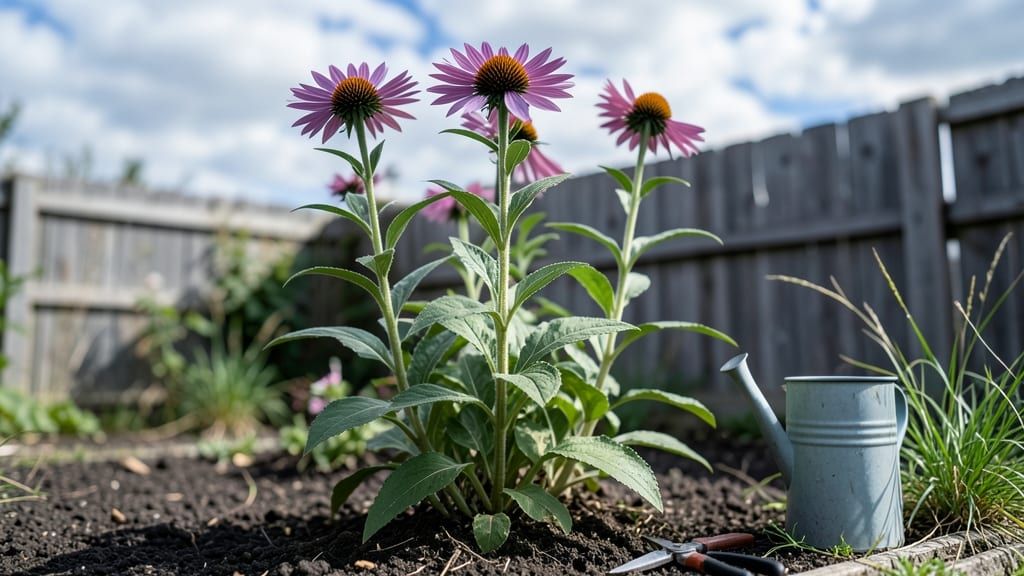
Perennial flowers that need full sun thrive best with varieties like black-eyed Susan, coneflower, and blanket flower, which demand at least six hours of direct sunlight daily for peak blooms and robust growth. These hardy plants deliver vibrant color year-round while requiring minimal water once established.
Sunlight acts as fuel for these perennials, supercharging their photosynthesis to produce more energy for blooms and stronger stems. 🌞 The intense light also helps them develop thicker cell walls, making them more resistant to drought and pests.
Unlike shade-loving plants, these sun-seekers store water efficiently, which is why they stay lush even during dry spells. For best results, plant them in areas with southern or western exposure where they'll get the most consistent sun exposure.
When selecting your sun-loving perennials, consider your local climate—some varieties like lavender thrive in hot, dry conditions, while others like daylilies tolerate partial shade during peak afternoon heat. Always check the mature plant size to avoid overcrowding, which can lead to fungal issues.
I've found that adding a 2-3 inch layer of mulch helps retain moisture while keeping roots cool during summer heatwaves.
💡 In This Article
- Why Sunlight Boosts Perennial Flower Growth
- Planting and Care Tips for Sun-Loving Perennials
Why sunlight boosts perennial flower growth
Here's what's actually happening when these perennials bask in full sun: their chloroplasts go into overdrive. Sunlight provides the energy needed for photosynthesis, where plants convert carbon dioxide and water into glucose and oxygen. In full sun, this process accelerates, producing up to 30-50% more energy than in partial shade.
This extra fuel translates to more robust stems, larger leaves, and—most noticeably—longer-lasting, more vibrant blooms. 🔥 The key factor is chlorophyll production, which peaks under intense light conditions, giving flowers their richest colors.
Heat tolerance adaptations play a crucial role too. Sun-loving perennials like coneflower and blanket flower have evolved to thrive in temperatures that would scorch shade plants. Their leaves often develop a waxy coating that reduces water loss, while their root systems grow deeper to access moisture.
Studies show these plants can maintain 20-30% higher moisture retention in their tissues compared to shade counterparts. The intense sunlight also triggers the production of protective pigments like flavonoids, which act as natural sunscreen, shielding delicate petals from UV damage.
What most people don't realize is how sunlight duration affects bloom cycles. Most sun-loving perennials follow a 6-8 hour minimum rule because this triggers their photoperiodic response—the internal clock that regulates flowering.
For example, black-eyed Susan's blooms peak when they receive consistent sunlight, while shorter days can delay or reduce flowering. The science behind this involves phytochrome pigments that detect light quality and duration, essentially telling the plant when to shift resources from leaf production to flower development. 💫
Nutrient absorption rates also skyrocket in full sun. Sunlight enhances the activity of beneficial soil microbes that break down organic matter, making nutrients like nitrogen and phosphorus more available. In shade, these processes slow dramatically, often resulting in leggy growth and fewer blooms.
The difference is stark: sun-exposed perennials can absorb up to 40% more nutrients during their growing season compared to those in partial shade, leading to stronger overall plant health and disease resistance.
UV exposure provides an unexpected bonus: pest and disease resistance. The same sunlight that fuels growth also strengthens plant defenses. Higher UV levels stimulate the production of secondary metabolites like terpenoids and alkaloids, which act as natural repellents against insects and fungi.
For instance, lavender's strong aroma—loved by humans—is actually a deterrent for many pests, a direct result of its sun-induced chemical defenses. This is why sun-loving perennials often require fewer pesticides once established. ✨
Consider this comparison: a coneflower in full sun will produce 2-3 times more blooms than one in partial shade, with flowers that last 20-30% longer before wilting. The trade-off?
These plants develop deeper root systems that make them more drought-resistant. This is nature's way of ensuring survival in harsh conditions—more sun means more energy storage for lean times.