
Shrubs
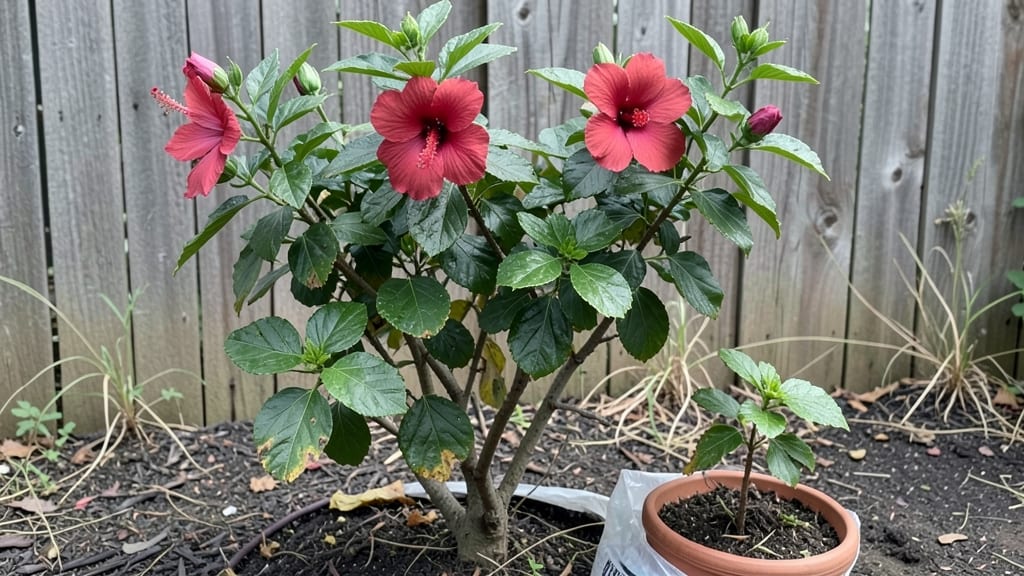
Deciding whether hibiscus flowers are annual or perennial depends on your climate: they grow as annuals in colder regions but can be perennial in USDA zones 5-11 with proper winter care. Most tropical varieties freeze back in cold snaps, though hardy species like Hibiscus moscheutos survive mild winters.
Hibiscus plants adapt their growth patterns based on temperature, with tropical varieties like Hibiscus rosa-sinensis typically dying back when temperatures drop below 20°F. In contrast, hardy hibiscus species such as Hibiscus syriacus can withstand 10-15°F with the right protection.
The key difference lies in their root systems—perennial hibiscus develop deep roots that store energy to regrow in spring, while annuals rely on seasonal replanting. 🌱 For gardeners in colder zones, mulching and winter pruning can turn a "temporary" hibiscus into a long-lived shrub.
💡 In This Article
- Hibiscus Flower Cold Hardiness by Variety
- Extending Hibiscus Life Cycle in Cold Climates
Hibiscus flower cold hardiness by variety
The cold hardiness of hibiscus plants varies dramatically between tropical and temperate species. Tropical hibiscus like Hibiscus rosa-sinensis (Chinese hibiscus) typically succumb when temperatures drop below 20°F, making them annuals in colder climates. Their thin, delicate stems and shallow roots lack the insulation needed to survive freezing ground temperatures.
In contrast, hardy hibiscus species such as Hibiscus moscheutos (swamp hibiscus) and Hibiscus syriacus (rose of Sharon) can endure 10-15°F with proper protection, thanks to their thick, woody stems and deep root systems that store energy for regrowth.
Here's what's actually happening at the cellular level: Tropical hibiscus cells contain higher moisture content and thinner cell walls, which freeze and rupture at 28-30°F. Hardy varieties, however, produce antifreeze proteins that lower their internal freezing point, similar to how some winter wheat varieties survive sub-zero temperatures.
The root systems of perennial hibiscus can extend 3-5 feet deep, accessing groundwater that remains above freezing even when surface temperatures drop. This deep root system acts like a natural insulation blanket, protecting the crown from extreme cold.
What most people don't realize is how the plant's growth habit affects its cold tolerance. Perennial hibiscus enter a dormancy phase in fall, where they shed leaves and conserve energy in their roots. This process is triggered by shorter daylight hours and cooler temperatures, allowing them to survive winter.
Annual tropical hibiscus, however, continue growing until killed by frost, leaving no stored energy for regrowth. The key difference is in their cold acclimation process—hardy varieties develop thicker bark and increased sugar content in their tissues, which acts as a natural antifreeze.
Consider these key factors when choosing hibiscus for your climate:
- Root depth: Perennial varieties develop roots 3-5 feet deep, while tropical hibiscus stay shallow (1-2 feet)
- Stem thickness: Hardy hibiscus have 1-2 inch diameter stems; tropical varieties are pencil-thin
- Leaf structure: Perennial leaves are smaller and leathery; tropical leaves are large and thin
The most cold-tolerant hibiscus species can actually benefit from winter chilling requirements. Hibiscus syriacus, for example, needs 400-600 hours below 45°F to produce its best blooms in spring. This chilling period breaks dormancy and triggers flowering.
Tropical hibiscus, however, bloom continuously in warm climates and lack this cold requirement, which is why they struggle to survive northern winters. The contrast in their biological needs explains why you'll see tropical hibiscus thriving in Florida year-round but dying back in Minnesota each fall.
For gardeners in marginal zones (like USDA zone 6), the difference between annual and perennial growth often comes down to microclimate protection. A well-mulched perennial hibiscus can survive 10°F dips with 4-6 inches of organic mulch (like straw or shredded leaves) insulating the crown.
Tropical hibiscus, however, will still require winter protection or indoor overwintering to survive similar temperatures. The root system's ability to regenerate from the crown is what makes the difference between a plant that comes back each year and one that needs replanting.