
Flowers
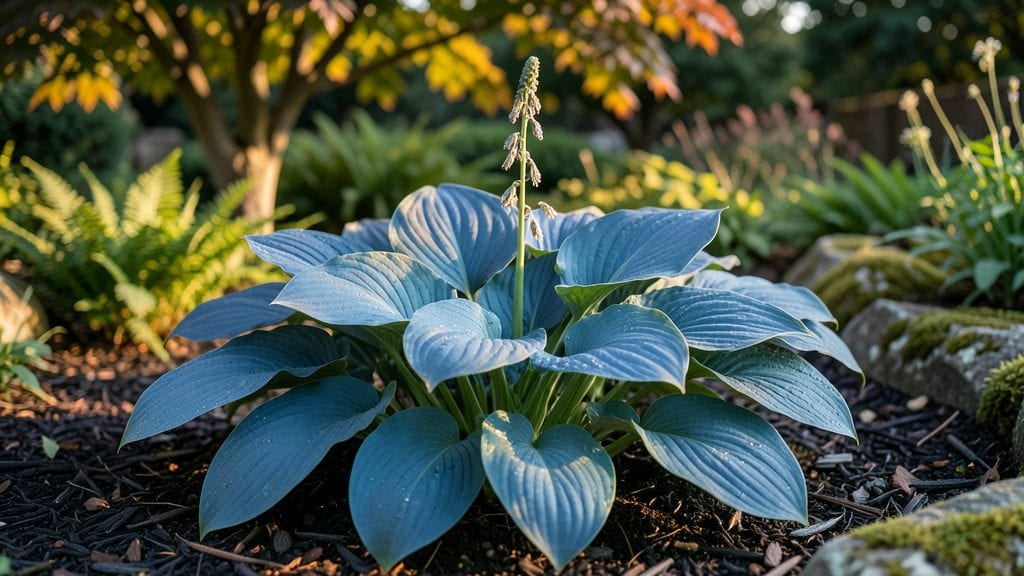
Yes, perennials grow back each year from the same root system, emerging with fresh foliage and blooms after winter dormancy—unlike annuals, which live only one season. Their resilience comes from specialized underground structures and climate adaptation.
This yearly renewal happens because perennials store energy in roots, tubers, or rhizomes, allowing them to push through soil as temperatures rise. 🌱 For example, peonies and hostas return stronger each spring because their roots remain dormant but alive underground.
The key difference from annuals is that perennials rely on persistent root systems rather than seeds for regeneration.
Hardiness varies by plant type—some, like coneflowers, thrive in USDA zones 3-9, while others, such as tropical perennials, need protection in colder climates. Proper winter care, like mulching and avoiding over-pruning, ensures they bounce back reliably every season.
💡 In This Article
- How Perennial Root Systems Enable Yearly Regrowth
- Caring for Perennials to Ensure Seasonal Comeback
How perennial root systems enable yearly regrowth
The secret to perennials' annual return lies in their specialized underground structures—rhizomes, tubers, and crowns—that act as biological batteries. Unlike annuals, which rely on seeds to propagate, perennials store carbohydrates (like starches and sugars) in these roots during the growing season.
For example, a peony root can store enough energy to fuel 3-5 years of growth, while irises use their rhizomes to regenerate new shoots each spring. These storage organs also produce growth hormones that trigger regrowth when temperatures rise above 50°F.
Cold tolerance varies dramatically between species. Hardy perennials like coneflowers (Echinacea) and black-eyed Susans survive winters in USDA zones 3-9 because their cells produce antifreeze proteins that prevent ice crystal formation. In contrast, tender perennials like canna lilies need protection below zone 8—their roots can't withstand prolonged freezing.
The key difference is in their cellular membranes: hardy plants have higher concentrations of proline (an amino acid) that stabilizes proteins during cold stress.
Here's what happens biologically when dormancy ends: The root system first produces auxin hormones that stimulate cell division in buds, while stored starches convert to glucose for energy. You'll notice new shoots emerging from the crown (the junction between roots and stems) before leaves appear.
This process is why perennials often return 2-3 weeks before annuals planted from seed—no germination delay is needed. 🌱
Annuals, by comparison, complete their entire life cycle from seed to seed in one season. Their roots are shallow and don't store significant energy—they prioritize quick reproduction over longevity.
This is why you can't expect marigolds or zinnias to return next year: their energy goes into seed production, not root development. The trade-off is clear: perennials invest in survival structures, while annuals focus on rapid reproduction.
Consider the daylily as a perfect example: Its thick, fleshy roots (technically rhizomes) can regenerate even if 90% of the plant is damaged. This resilience comes from specialized cells called meristems that remain protected underground.
When you see a daylily bloom profusely in its second year, you're witnessing the payoff of this stored energy system—something annuals simply can't replicate.
The storage capacity varies by plant type: tubers (like dahlias) store energy in swollen underground stems, while corms (like crocuses) have a solid, bulb-like structure. Even woody perennials like shrubs use their root systems to transport nutrients between seasons.
This biological diversity explains why some perennials thrive for decades with minimal care—while others may decline if their energy reserves aren't properly maintained. ✨