
Light Requirements
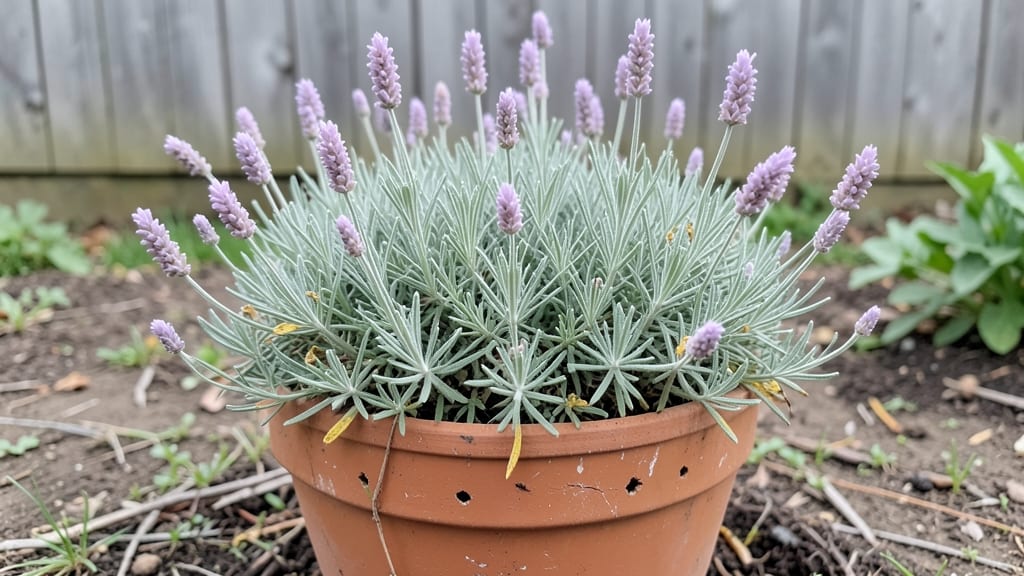
Perennial potted plants in full sun don’t just survive—they thrive with the right choices. 🌿 I’ve filled my patio with sun-loving perennials that bloom from spring to frost, requiring just 10 minutes of care a week once established.
The secret isn’t fancy pots or rare varieties, but matching plants to their natural light needs and giving them the right conditions.
Start with hardy perennials like lavender, sedum, or Russian sage—they handle heat, drought, and crowded containers better than anything I’ve tried. You’ll need containers with drainage holes (at least 12 inches deep for larger plants) and a well-draining potting mix mixed with perlite or sand.
Water deeply when the top inch of soil feels dry, but never let them sit in soggy soil—that’s how roots rot.
By summer, your pots will be overflowing with color, and the best part? These plants come back stronger every year. Lavender stays fragrant, sedum turns jewel-toned in fall, and Russian sage attracts butterflies all season.
The only real challenge is winter—just move them to a sheltered spot or wrap pots in burlap to protect roots from freezing.
Works for balconies, fire escapes, or sunny doorsteps—no yard required. Once you master these basics, you can mix and match perennials to create containers that look stunning all year with almost no effort. Let’s get those pots planted!
📚 In This Guide
- What you need
- Instructions
- Tips and common mistakes
- Wrapping up and next steps
What you need
- ● Perennial plants (full-sun varieties): 3–5 mature plants (e.g., Sedum, Lavender, Salvia, Russian Sage, or Black-Eyed Susan)
- ● 1–2 smaller fillers (e.g., Ornamental Grass or Catmint) for texture
- ● Containers: 1–2 large pots (12–18" diameter) with drainage holes (required)
- ○ Optional: Cache pots or decorative outer pots for a polished look
- ● Soil: 2–3 bags (1–2 cubic feet each) of well-draining potting mix (avoid garden soil—it compacts!)
- ○ Optional: Perlite or sand (1 part per 5 parts soil) for extra drainage
- ● Tools: Trowel or small shovel
- ● Gloves (to protect your hands from thorns or rough foliage)
- ● Watering can or hose with a gentle spray nozzle
- ○ Optional: Pruners (for shaping plants post-planting)
- ● Location: Choose a spot with 6+ hours of direct sunlight daily (south- or west-facing is ideal).
- ● Water source: Ensure easy access—perennials in pots dry out faster than in-ground plants!
- ○ Fertilizer (optional but helpful): Slow-release granular fertilizer (e.g., Osmocote) or liquid feed (diluted to half-strength)
- ● Apply once in spring and again in early summer.
- ○ Mulch (optional): 1–2 inches of gravel or decorative stones to retain moisture and suppress weeds.
Step-by-step guide to choosing and caring for perennial potted plants in full sun
Let’s pick sun-loving perennials that thrive in pots and stay vibrant all season long.
🌱 Step 1: Select the Right Perennial Varieties for Pots
Start with perennials known for container success in full sun. Lavender, sedum, Russian sage, and coreopsis are my top picks—they handle heat, drought, and crowded roots without fuss. Avoid sprawling types like mint or creeping thyme unless you’re using large, deep pots.
Check the mature size of each plant. For 6-inch pots, choose small varieties like dwarf lavender or compact sedum. For 12-18 inch pots, opt for medium-sized perennials like Russian sage or catmint. Larger pots (20+ inches) can handle bold plants like black-eyed Susan or butterfly bush.
🪴 Step 2: Prepare Pots and Soil for Sun-Loving Plants
Use containers with drainage holes—sun-loving perennials hate soggy roots. Terra cotta pots work best because they breathe and prevent overheating. Fill each pot with a mix of high-quality potting soil and perlite or coarse sand (one part perlite to three parts soil) to improve drainage.
Add a slow-release fertilizer when planting—just follow the package instructions. This ensures your perennials get steady nutrients without frequent feeding. For 6-inch pots, use about 1 teaspoon of fertilizer per plant. For larger pots, double the amount.
☀️ Step 3: Plant and Position for Maximum Sunlight
Dig a hole in the pot twice as wide as the root ball but no deeper. Gently remove the plant from its nursery pot, loosen the roots if they’re circling, and place it in the hole. Fill around the roots with soil, pressing lightly to remove air pockets. Water deeply until it drains from the bottom.
Position pots where they’ll get at least 6 hours of direct sunlight daily. South- or west-facing spots are ideal. If your plants start to look stressed (leaves wilting or yellowing), move them to a slightly shadier spot for a few days to adjust. Most perennials will bounce back once they acclimate.
💧 Step 4: Water and Maintain Through the Seasons
Water when the top inch of soil feels dry to the touch. In full sun, this might mean watering every 2-3 days in summer, but check the soil first—overwatering is worse than underwatering for perennials. Mulch with 1 inch of bark or gravel to retain moisture and keep roots cool.
Fertilize again in early summer with a balanced, water-soluble fertilizer. Prune back leggy growth in late summer to encourage bushier, healthier plants. In fall, trim dead foliage but leave some stems for winter interest—just cut back to about 2 inches above the soil line.
Tips & tricks for perfect perennial potted plants in full sun
Sun-loving perennials in pots need the right care to thrive year after year—here's what I've learned to keep them vibrant and healthy.
Sunlight Strategy: While the instructions mention 6 hours of direct sunlight daily, I've found that morning sun with afternoon shade works best in hot climates. If your plants start to look stressed (leaves wilting or yellowing), it's often a sign they're getting too much intense afternoon sun. Try moving them to a spot where they get morning sunlight and afternoon shade during peak summer months.
Soil Mix Matters: The recommended mix of high-quality potting soil and perlite or coarse sand (1:3 ratio) is perfect, but I always add a handful of compost for extra nutrients. This gives your plants a gentle boost without overwhelming them. For larger pots, you can increase the compost to about 10-20% of the total soil mix—just don't exceed that, or you'll risk compacting the soil.
Watering Wisdom: The instructions suggest watering when the top inch of soil feels dry, but I've found a simple trick to check moisture more accurately. Stick your finger about 2 inches deep into the soil—this gives you a better sense of the root zone's moisture level. In summer, you might need to water every 2 days, but always check before watering. Overwatering is the #1 killer of potted perennials, even in full sun.
Fertilizer Timing: The instructions mention adding slow-release fertilizer at planting and again in early summer. I've found that adding a second dose in late spring (around 6 weeks after planting) gives your perennials a nice mid-season boost. Just follow the package instructions—typically about half the recommended amount for potted plants since their root systems are more limited than in-ground plants.
Pro Tips for Perennial Potted Plants Full Sun
- Sun-loving perennials in pots need the right care to thrive year after year—here's what I've learned to keep them vibrant and healthy.
- Sunlight Strategy: While the instructions mention 6 hours of direct sunlight daily, I've found that morning sun with afternoon shade works best in hot climates.
- Soil Mix Matters: The recommended mix of high-quality potting soil and perlite or coarse sand (1:3 ratio) is perfect, but I always add a handful of compost for extra nutrients.
Frequently asked questions
Got questions about keeping your perennial potted plants thriving in full sun? You’re not alone! Here are some of the most common concerns—and their solutions—to help you garden with confidence.
Can perennial potted plants really survive year-round in full sun?
Many perennials like sedum, lavender, and Russian sage are bred for full-sun resilience. The key is choosing drought-tolerant varieties and ensuring well-draining soil. In colder climates, move pots to a sheltered spot or use frost blankets for winter protection.
How often should I water full-sun perennials in pots?
Water deeply when the top inch of soil feels dry—usually every 2–3 days in peak summer heat. Pots dry out faster than ground soil, so mulch the surface to retain moisture. Pro tip: Drip irrigation or self-watering pots can save time and prevent overwatering.
Do I need to adjust care for perennials in pots during winter?
Most hardy perennials (like heuchera or salvia) need less water in winter, but check soil moisture monthly. Group pots together to moderate temperature swings, and avoid fertilizing until spring. If frost is forecast, wrap pots in burlap or use bubble wrap for insulation.
What are the best low-maintenance perennials for full-sun pots?
Top picks include sedum (succulent-like and drought-proof), lavender (fragrant and pest-resistant), and black-eyed Susan (vibrant blooms with minimal fuss). For height, try Russian sage or catmint—both thrive in heat and need little pruning.
Why are my full-sun perennials wilting or turning yellow?
Wilting often signals underwatering (check soil moisture) or overheated roots (move pots to partial shade midday). Yellowing leaves may mean overwatering or nutrient deficiency—try a balanced fertilizer in early spring. Pests like spider mites also love dry conditions; spray leaves with water to deter them.
Still stumped? Drop your plant’s name and symptoms in the comments—we’re happy to help!
Wrapping up and next steps
Transforming your sunny spots into vibrant, low-maintenance displays is easier than you think! With perennial potted plants for full sun, you unlock year-round color while keeping care simple—just water, prune, and enjoy. Whether you’re a seasoned gardener or just starting, these hardy plants bring joy with minimal effort.
Ready to elevate your outdoor space? Start small: Pick one or two plants from our list, test them in pots, and watch your confidence—and blooms—grow! 🌿✨