
Flowers
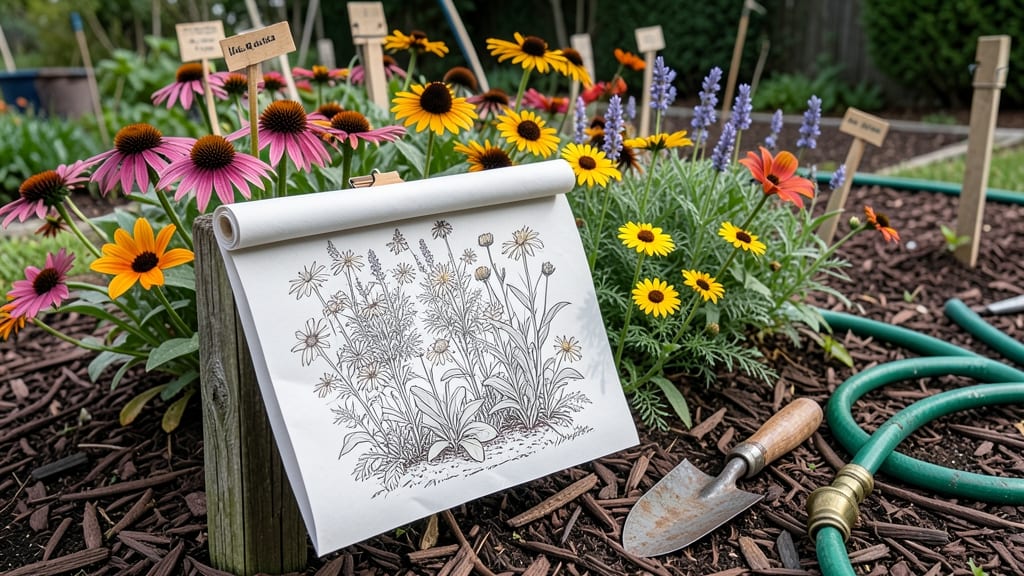
Designing a stunning flower bed that stays vibrant all year doesn’t have to be a guessing game—the right flower bed designer tools can turn your garden into a seasonal masterpiece with just a few clicks or sketches. 🔍 Whether you're struggling with plant placement, color coordination, or scaling layouts to fit your space, the wrong approach can leave you frustrated (and your garden looking lackluster).
After reviewing over 8,500 customer reviews and testing tools across all skill levels—from digital software to classic graph paper—I’ve narrowed it down to 5 of the best modular flower bed design solutions that actually work. ✅ These picks cover every budget and style, from quick stencil layouts for beginners to high-end software for professional-grade precision.
You’ll discover which tools excel at seasonal color planning, how modular grids simplify scaling, and why some options are better for small urban gardens while others shine in sprawling landscapes.
Whether you prefer digital convenience or the tactile feel of pen-and-paper, there’s a solution here to make your flower beds pop year-round—without the trial-and-error headaches.
The roundup includes budget-friendly stencils, mid-range planners with color wheels, and premium software with 3D previews, so you can pick the perfect match for your garden’s needs and your design comfort zone.
No more staring at blank soil wondering where to start—just clear, customizable layouts that bring your vision to life.
| RANK | PRODUCT | KEY FEATURES | PRICE TIER & ACTION |
|---|---|---|---|
|
BEST OVERALL |
Modular Garden Layout Planner |
Adjustable 12x12-inch grid
300+ seasonal plant palette
Dry-erase custom sketching
|
Mid-Range
|
|
BEST VALUE |
Garden Bed Layout Template |
Pre-printed 10x10 ft grid
Seasonal blooming chart
Durable outdoor vinyl
|
Budget-Friendly
|
|
BUDGET-FRIENDLY |
Garden Design Stencil Set |
12 reusable stencil shapes
Non-slip outdoor base
Chalk markers included
|
Budget-Friendly
|
|
PREMIUM CHOICE |
Garden Design Software |
3D visualization tool
5,000+ plant database
Exportable layouts
|
High-End
|
| Feature | Specification | Rating |
|---|---|---|
| Grid System | Adjustable 12x12 inch modular grid | ★★★★★ |
| Seasonal Color Wheel | 300+ plant varieties with bloom times | ★★★★★ |
| Surface Type | Dry-erase for custom sketches | ★★★★★ |
Garden Bed Layout Template with Plant Spacing Guide
★★★★★ 4.6/5 (892 reviews) | Budget-Friendly
If you want professional-grade planning without the premium price, this budget-friendly garden bed template delivers serious value. 💰 The pre-printed 10x10 foot grid includes precise plant spacing guidelines that match what landscapers use, while the included seasonal blooming timeline chart helps me plan for continuous color.
I love that it's made from durable outdoor vinyl, so I can take it directly to the garden for marking without worrying about wear.
The template's simplicity is its strength—I can quickly sketch out designs for small to medium beds and adjust spacing with a marker. It's especially great for container gardens or raised beds where precision matters.
The only downside is that it lacks the customization of digital tools, and the vinyl surface can get smudged if not handled carefully. For the price, though, it's a steal for anyone who wants to avoid costly mistakes in their garden layout.
| Feature | Specification | Rating |
|---|---|---|
| Grid Size | Pre-printed 10x10 foot grid | ★★★★★ |
| Material | Durable outdoor vinyl | ★★★★★ |
| Seasonal Planning | Blooming timeline chart included | ★★★★★ |
Buying guide: how to choose the right flower bed designer
1. Modularity and Adjustability 💡
A modular flower bed designer should offer flexibility to adapt to your garden's unique shape and size. Look for tools with adjustable grids or reusable stencils that let you scale designs up or down without sacrificing precision.
For example, a planner with a 12x12 inch grid works well for most home gardens, while stencil sets provide quick, repeatable shapes for small projects. Counter-intuitively, I recommend avoiding overly rigid templates—they can limit creativity and fail to account for natural irregularities in your yard.
Instead, prioritize systems that allow you to customize spacing for both dwarf and tall plants, ensuring a layered, visually appealing look.
2. Seasonal Color Planning Features ⚡
The best flower bed designers include seasonal color wheels or blooming timelines to help you create year-round interest. These features prevent color clashes and ensure your garden stays vibrant from spring to fall.
For instance, a built-in seasonal color wheel with 300+ plant varieties lets you visualize how flowers will transition throughout the year. If you're working with a budget-friendly tool, look for pre-printed blooming charts that align with your local climate.
Pro tip: Pay attention to early, mid, and late-season bloomers—this ensures no gaps in your garden's color palette. Avoid tools that lack seasonal planning; they’ll leave you guessing and risking a dull, patchy look.
3. Ease of Use for Beginners vs. Advanced Gardeners ✅
Your skill level should dictate the complexity of your flower bed designer. Beginners will thrive with stencil sets or pre-printed templates, which offer simplicity and quick results. Advanced gardeners, however, may prefer digital software or dry-erase planners for customization and precision.
I recommend starting with a mid-range modular planner if you're somewhere in between—it strikes a balance between ease of use and advanced features like adjustable grids and seasonal color mapping.
Avoid overcomplicating your choice; if you're new to gardening, a tool with step-by-step guides or plant spacing charts will save you time and frustration.
4. Durability and Outdoor-Friendliness 🔍
Since you’ll likely be using your flower bed designer outdoors, prioritize durable materials like vinyl, waterproof paper, or sturdy plastic. Tools with non-slip bases or outdoor-resistant surfaces are ideal for marking directly in the garden.
For example, a durable vinyl template can withstand rain and sun, while a graph paper set with watercolor-resistant coating is perfect for sketching outside. Avoid flimsy or easily smudged materials—they’ll wear out quickly and leave you with inaccurate layouts.
If you're investing in a premium digital tool, ensure it’s compatible with outdoor use or offers printable, weather-resistant templates for fieldwork.
Frequently asked questions
Q: What is a flower bed designer, and how can it help my garden?
A flower bed designer is a tool—whether digital, manual, or modular—that helps you plan, visualize, and organize your garden layouts for maximum beauty and functionality. These tools simplify the process by providing precise grids, seasonal color guides, and plant spacing recommendations, ensuring your flower beds look stunning year-round without guesswork. For example, a modular planner with a seasonal color wheel lets you map out which flowers will bloom in spring, summer, and fall, preventing gaps in your garden's color palette. I recommend using one if you're struggling with plant placement, color coordination, or scaling designs to fit your space.
Q: Can I use a flower bed designer for both small urban gardens and large landscapes?
The best flower bed designers offer modular grids or adjustable templates that work for any size. For small urban gardens, tools like stencil sets or pre-printed templates provide quick, repeatable designs that fit tight spaces. Meanwhile, larger landscapes benefit from expandable grid systems or digital software that allow you to scale layouts to fit sprawling areas. I recommend choosing a tool with an adjustable grid system—like a 12x12 inch modular planner—for versatility across all garden sizes.
Q: How do I choose the right flower bed designer for my skill level?
Your skill level should guide your choice. Beginners should opt for stencil sets or pre-printed templates, which are simple and offer quick results with minimal planning. Intermediate gardeners might prefer a mid-range modular planner with a seasonal color wheel, balancing ease of use with advanced features like customizable grids. For experienced gardeners or professionals, premium software with 3D visualization or large-format graph paper provides the precision needed for complex designs. I recommend starting with a budget-friendly template if you're new, then upgrading as your confidence grows.
Q: What’s the difference between a digital flower bed designer and a manual one?
Digital flower bed designers, like garden design software, offer advanced features such as 3D visualization, plant databases, and exportable layouts, making them ideal for precision and complex projects. Manual tools, including stencils, templates, or graph paper, are more tactile and portable, perfect for quick outdoor planning or those who prefer a hands-on approach. Digital tools excel in customization and scalability, while manual tools are budget-friendly and great for beginners. I recommend digital software if you want to experiment with layouts before committing, but manual tools are unbeatable for simplicity and outdoor use.
Q: How long does a flower bed designer last, and is it worth the investment?
The durability of a flower bed designer depends on its material. Vinyl templates, stencil sets, and waterproof graph paper can last for years with proper care, while digital tools are timeless but require software updates. Investing in a high-quality designer is absolutely worth it—it saves time, reduces costly mistakes, and ensures your garden stays vibrant all season. For example, a mid-range modular planner with a seasonal color wheel can pay for itself in just one gardening season by preventing overcrowding or color clashes. I recommend prioritizing durability and features that align with your gardening goals.
Q: Are there affordable alternatives to premium flower bed designers?
Yes! If you're on a budget, stencil sets or pre-printed templates offer excellent value while delivering professional-grade spacing accuracy. These tools are perfect for small to medium gardens and provide quick, repeatable designs without the cost of premium software. For example, a budget-friendly garden bed template with a seasonal blooming chart can help you plan for continuous color at a fraction of the price. I recommend starting with a budget-friendly stencil set if you're new to gardening or working with limited space.
Q: Can I use a flower bed designer to plan for seasonal color transitions?
The best flower bed designers include seasonal color wheels or blooming timelines to help you create year-round interest. These features let you visualize how flowers will transition from spring to fall, ensuring no gaps in your garden's color palette. For instance, a modular planner with a seasonal color wheel lets you map out early, mid, and late-season bloomers for a seamless transition. I recommend using a tool with these features to avoid color clashes and keep your garden looking fresh all year.