
Companion Plants
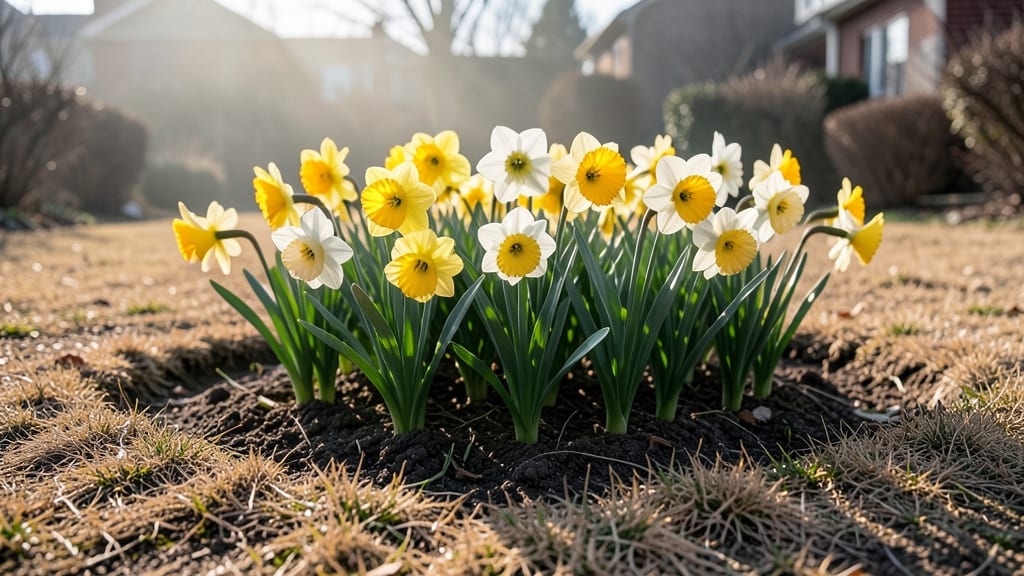
A well-designed front flower bed instantly transforms your home's exterior with vibrant color and texture. These ten carefully selected plants deliver year-round beauty, low maintenance, and maximum curb appeal for any climate or style.
Purple Coneflower for Pollinators
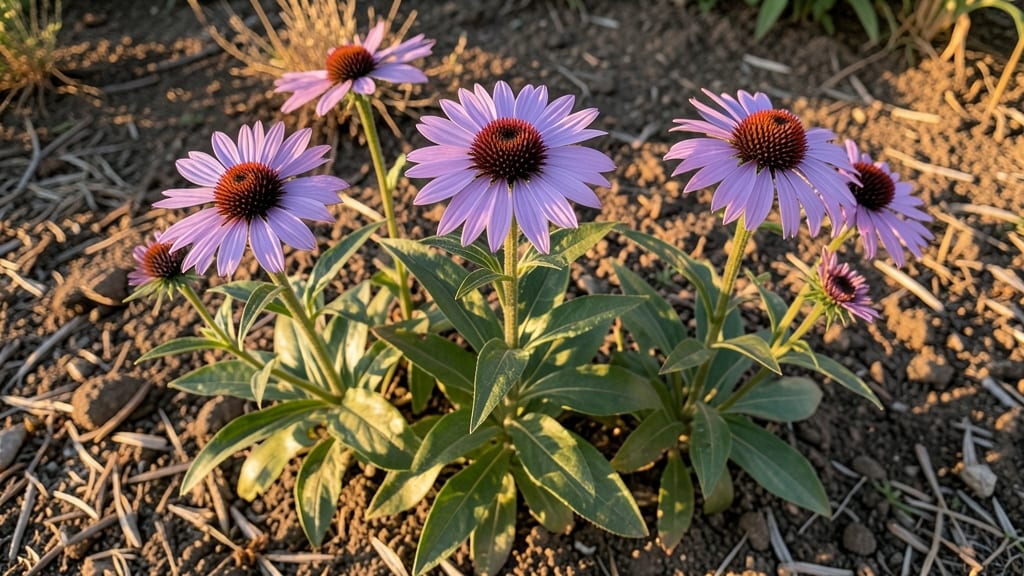
Want a low-maintenance plant that thrives in tough conditions while boosting your garden's beauty? Purple coneflower (Echinacea purpurea) delivers bold, daisy-like blooms from midsummer through fall—with almost no effort from you.
This drought-tolerant perennial thrives in full sun to partial shade and only needs watering during extreme dry spells. Its deep purple petals and spiky orange centers attract butterflies, bees, and hummingbirds, turning your flower bed into a pollinator paradise. Deadheading spent blooms encourages more flowers, but even if you skip this step, it self-seeds happily for years of color.
Perfect for beginner gardeners or anyone seeking year-round interest, purple coneflower's sturdy stems hold up through rain and wind, making it ideal for front-yard beds where durability matters. 🌻
Boxwood Shrubs for Structure
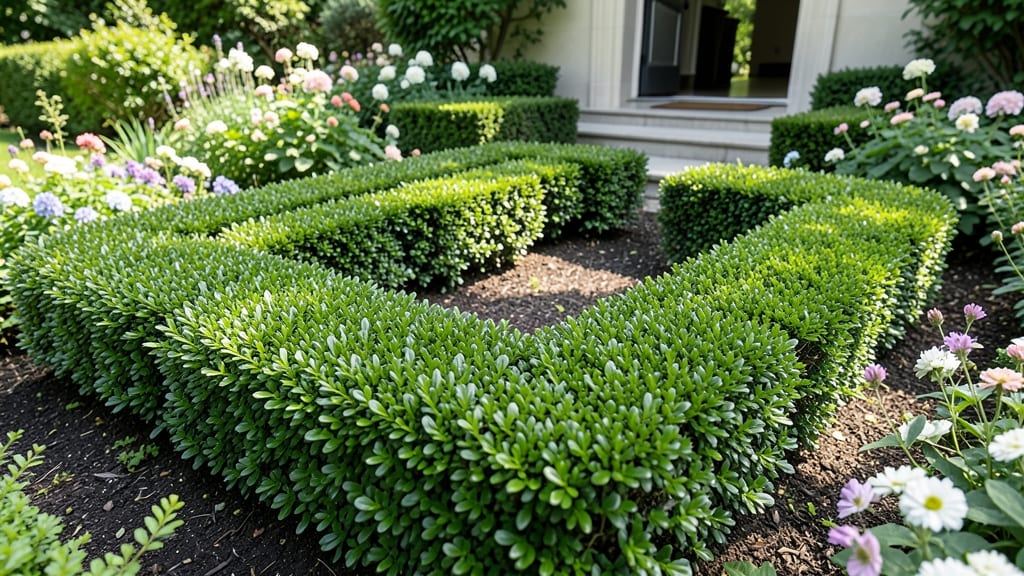
Need a low-maintenance way to add structure and elegance to your front flower bed? Boxwood shrubs are the secret weapon for creating clean lines and framing entryways with their year-round evergreen foliage.
These versatile shrubs thrive in both full sun and partial shade, making them ideal for nearly any front yard location. Prune them into geometric shapes or leave them natural for a softer look—either way, their dense growth blocks unsightly views while adding timeless curb appeal. Choose from compact varieties like 'Green Velvet' for tight spaces or larger types like 'American Holly' for bold statements.
Perfect for beginners or busy homeowners, boxwoods require minimal care beyond occasional trimming and mulching. Their durability and adaptability make them a foundational choice that pays dividends in both beauty and value. 🌿
Spring Blooming Tulips
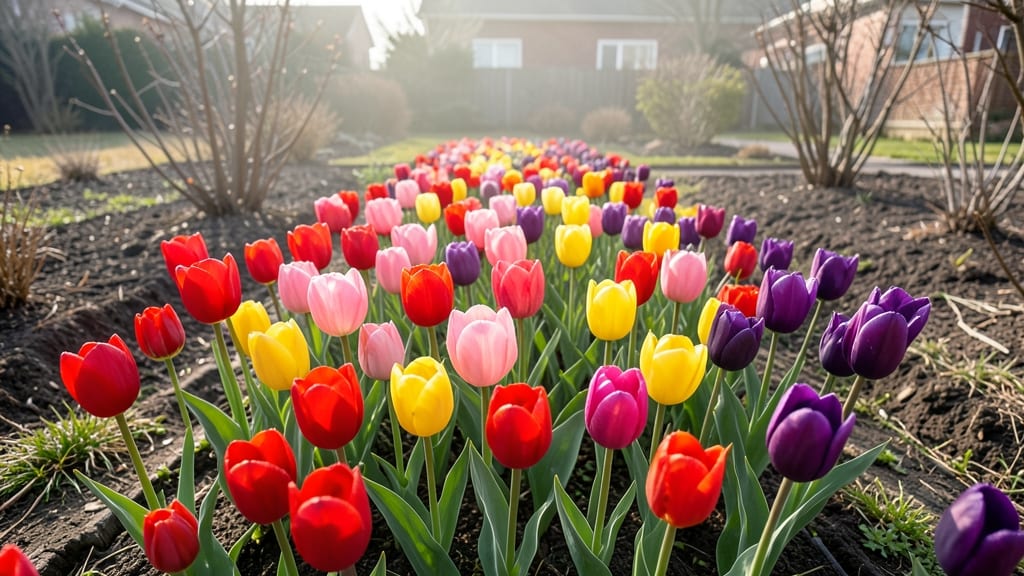
When your neighbors' gardens are still gray and brown, spring blooming tulips burst onto the scene like nature's own confetti. These cheerful bulbs deliver instant curb appeal with their vibrant hues—from fiery reds to soft pinks, sunny yellows, and even striking purples—all while most other plants remain dormant.
Plant tulip bulbs in fall (6-8 weeks before frost) in well-draining soil with 6 hours of sun daily. Their low-maintenance nature makes them perfect for beginners: just water occasionally during their active growing season (spring) and enjoy the show. For long-lasting color, mix varieties with different bloom times—early, mid, and late spring—for a continuous display.
Tulips are ideal for homeowners who want bold color without high upkeep, and their versatility lets you match any home's exterior palette. Plus, they multiply over time, giving you free blooms for years to come! 🌷
Black-Eyed Susan Annuals
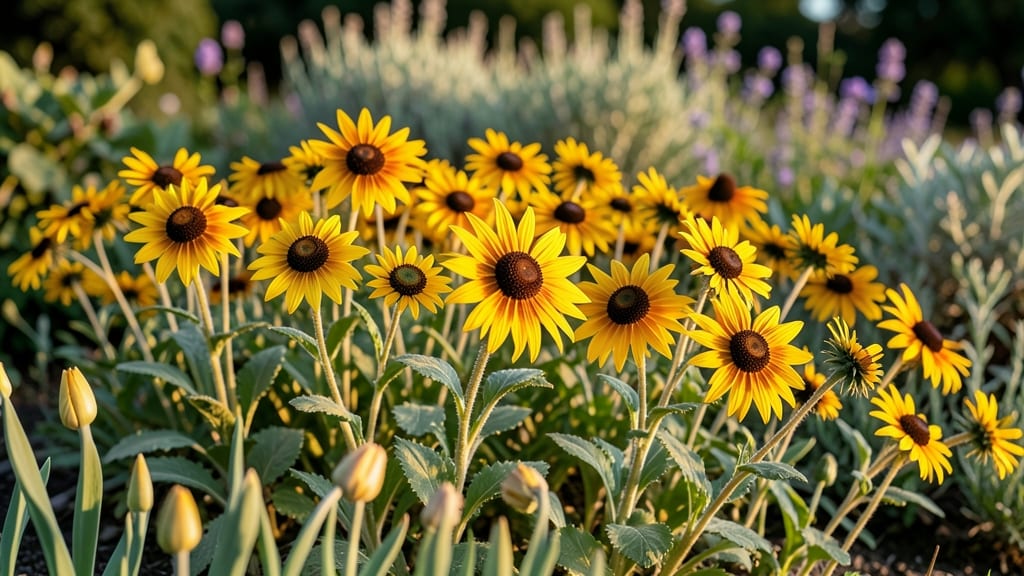
When your spring bulbs fade but you still crave bold color, black-eyed Susans swoop in like cheerful sunbeams. These sun-loving annuals burst into bright yellow blooms by early summer and keep performing until frost, making them the perfect bridge between seasons for any front flower bed.
Plant them in full sun (at least 6 hours daily) for maximum impact, and watch them fill gaps quickly—ideal for containers, borders, or mass plantings. Deadhead spent blooms to encourage nonstop flowers, and they’ll even self-seed for next year’s effortless display. Their drought-tolerant nature means less watering once established.
These low-maintenance stars shine brightest in modern or cottage gardens, but their versatility works anywhere. Busy gardeners will love their carefree nature and pollinator-friendly appeal. 🌻
Ornamental Grasses for Texture
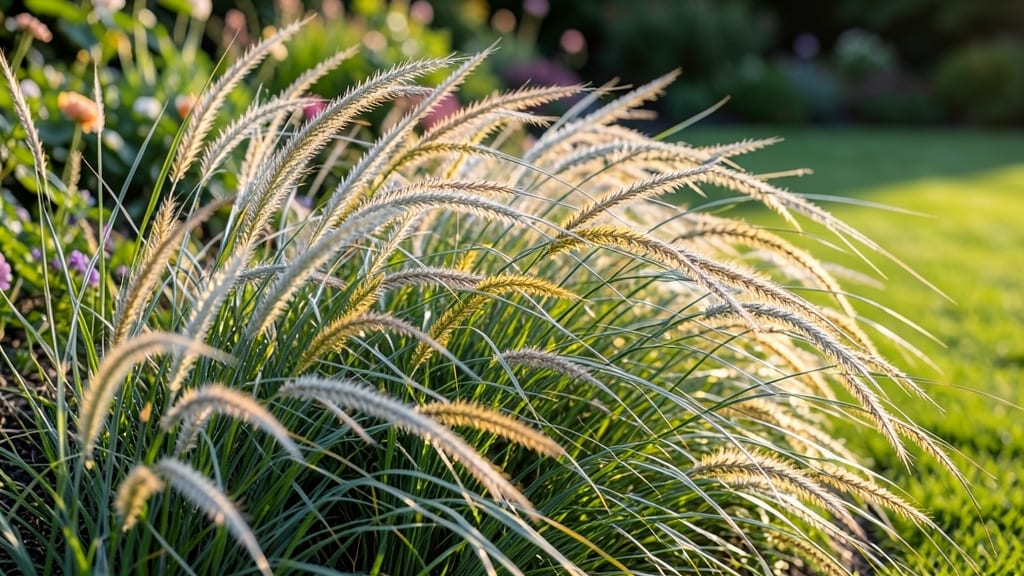
Tired of static flower beds that look the same all season? Ornamental grasses bring dynamic movement and vertical drama to your front yard with almost no effort. Unlike traditional blooming plants, grasses sway in the breeze, creating a living tapestry that catches light and adds depth to any design.
These hardy perennials thrive in full sun to partial shade and require minimal care—just occasional trimming in late winter to remove dead foliage. Varieties like Miscanthus or Pennisetum grow 3-6 feet tall, perfect for framing entryways or softening modern lines. Their airy plumes also provide winter interest when other plants fade.
Perfect for urban gardeners or cottage-style homes, grasses pair beautifully with purple coneflowers or black-eyed Susans for contrast. Plant them in odd-numbered clusters for maximum visual impact. 🌻
Hydrangeas for Seasonal Color
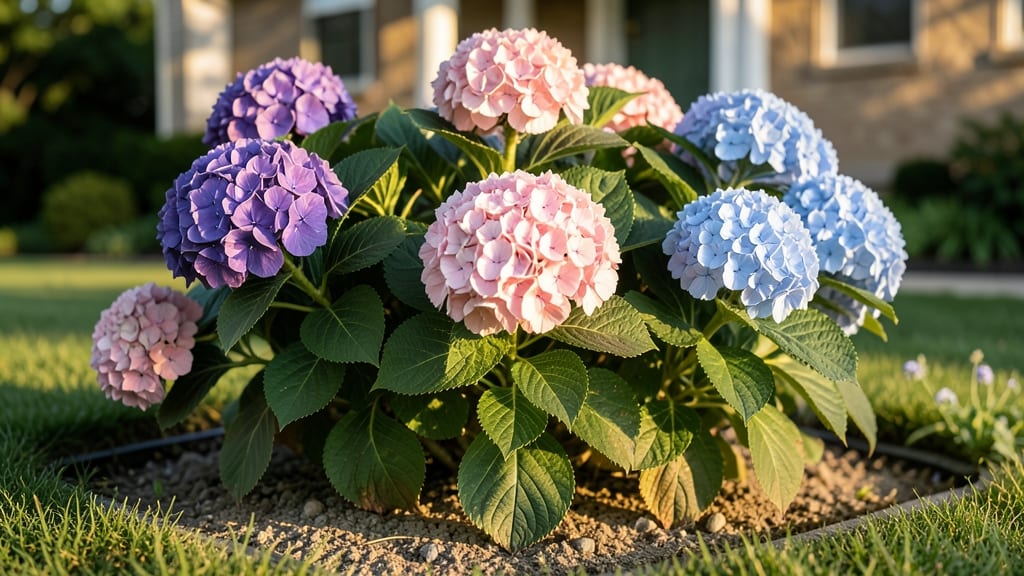
Want a flower bed that puts on a seasonal color show with minimal effort? Hydrangeas are your secret weapon—they don’t just bloom, they transform based on your soil’s pH, giving you pink, blue, or purple blooms from the same plant!
These low-maintenance shrubs thrive in partial shade to full sun and produce large, long-lasting blooms from midsummer through fall. To control their color, simply adjust your soil’s acidity: add lime for blues or sulfur for pinks. Prune in late winter to encourage bigger, showier flowers. With proper care, their clusters can last 6-8 weeks—far longer than most annuals.
Perfect for homeowners who love easy yet dramatic curb appeal, hydrangeas pair beautifully with boxwoods (from item #2) and ornamental grasses (item #5) for a layered, professional look. 💚
Winter Jasmine Climber
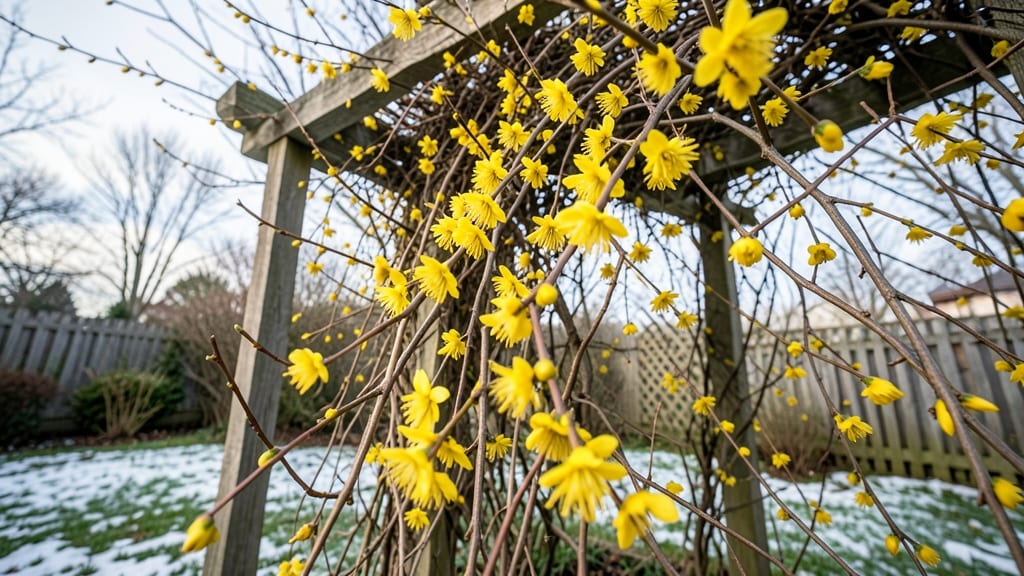
When your front flower bed looks bare in early spring, winter jasmine (Jasminum nudiflorum) steps in with a dazzling display of bright yellow blooms—often before daffodils even emerge. This deciduous climber lights up trellises, arbors, and fences with its cheerful flowers from late winter through early spring, creating instant curb appeal.
Plant it in full sun to partial shade and provide a sturdy trellis or fence for support—it can grow up to 15 feet tall but stays compact if pruned. Winter jasmine thrives in well-draining soil and is drought-tolerant once established, making it ideal for low-maintenance front yards. Prune back old stems after flowering to encourage fresh growth and more blooms next year.
Perfect for homeowners who want early-season color without fuss, winter jasmine’s vibrant display signals spring’s arrival while requiring minimal care. 🌱
Lavender for Fragrance
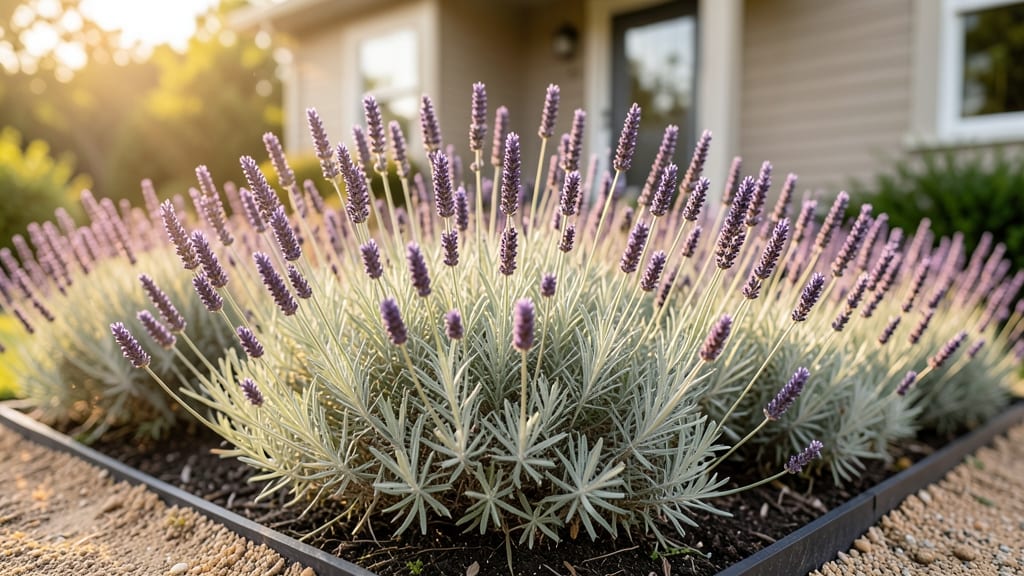
Craving a fragrant garden that thrives on neglect? Lavender delivers a sensory experience with its signature calming scent and stunning purple blooms—all while demanding almost no attention from you.
This drought-tolerant perennial thrives in full sun and well-drained soil, making it perfect for dry climates or busy gardeners. Plant it in clusters for maximum fragrance when brushing against the stems, and watch as bees and butterflies flock to its nectar-rich flowers. Prune lightly after blooming to maintain shape, but otherwise, lavender requires minimal care—just occasional watering during extreme heat.
Ideal for Mediterranean-style gardens or modern landscapes, lavender's silvery foliage and purple spikes create a striking contrast with other plants. It's also deer-resistant, making it a practical choice for rural properties. 💚
Heuchera for Year-Round Foliage
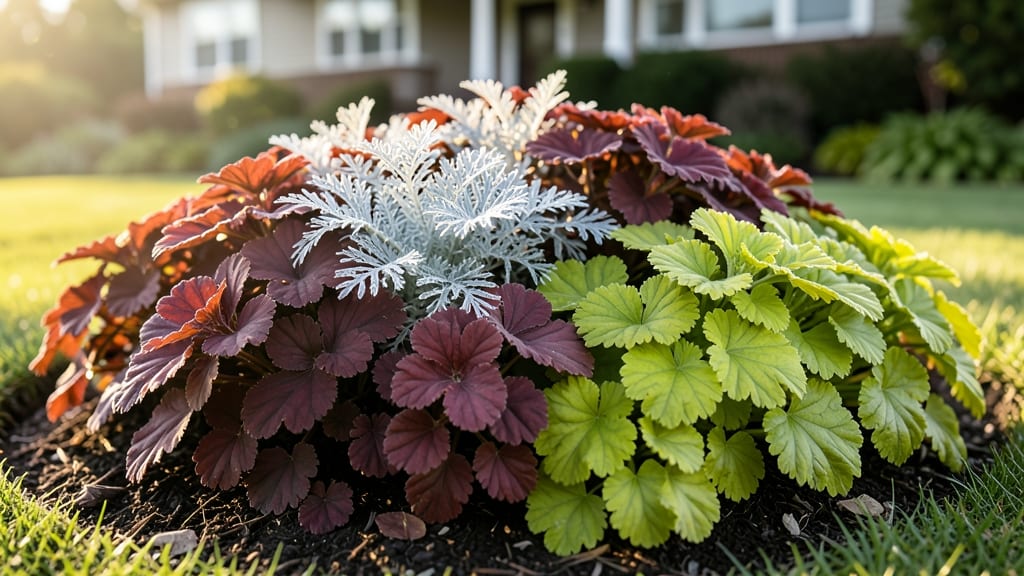
Looking for plants that keep your front flower bed vibrant even when most gardens are dormant? Heuchera—commonly called coral bells—delivers year-round foliage color that acts as a living paint palette, with hues ranging from deep burgundy to silvery blue and lime green.
These shade-tolerant perennials thrive in partial to full shade*, making them perfect for north-facing beds or areas under trees. Their textured, palmate leaves provide stunning contrast when paired with blooming plants like black-eyed Susans or purple coneflowers. With minimal care—just consistent moisture while establishing and occasional division every few years—Heuchera rewards you with four-season interest that elevates your curb appeal.
Ideal for modern or cottage gardens, Heuchera brings drama without the fuss, making it a must-have for homeowners who want low-maintenance color that never fades out of season. 💚
Daffodils for Early Spring

When your neighbors' gardens are still blanketed in winter brown, daffodils burst onto the scene like cheerful heralds of spring. These deer-resistant bulbs bloom earlier than most plants, offering bright yellow and white flowers that transform your front flower bed into a vibrant welcome mat when few other blooms are visible.
Plant daffodil bulbs in fall (6-8 weeks before frost) in well-draining soil with full sun to partial shade. Their low-maintenance nature makes them perfect for busy gardeners—they thrive with minimal watering once established and multiply over time, giving you free blooms for years. Choose varieties like 'Ice Follies' for pure white or 'Tête-à-Tête' for compact, long-lasting flowers that attract early pollinators.
Ideal for homeowners in deer-prone areas or those seeking effortless early-season color, daffodils pair beautifully with boxwood shrubs (item #2) for structure or spring tulips (item #3) for layered blooms. Their cheerful faces are the perfect way to announce that spring has arrived! 🌱