
Blooming
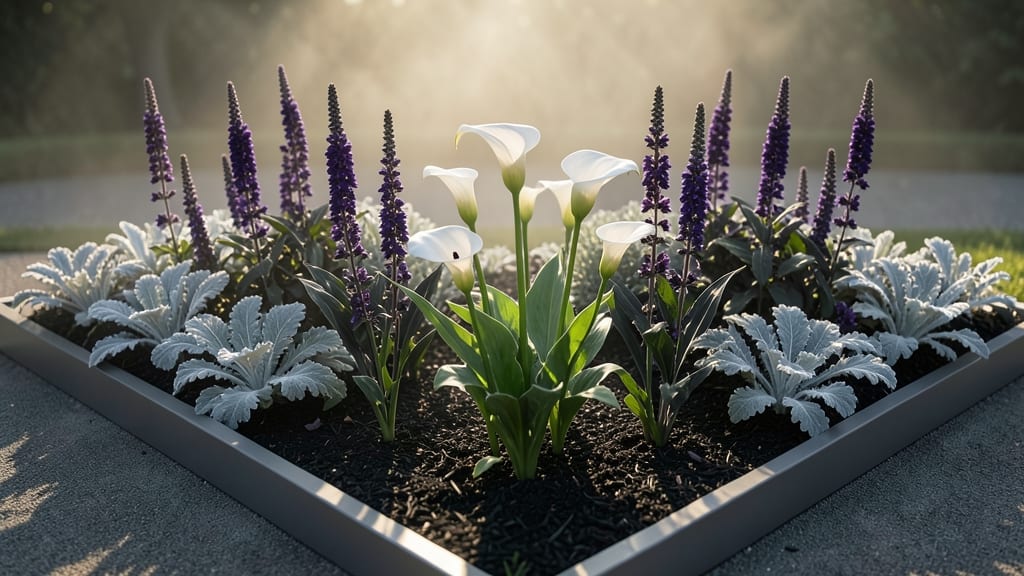
Transforming long, narrow spaces into vibrant floral displays doesn’t have to be challenging. These 10 long flower bed ideas prove that even the longest garden sections can bloom with year-round color, texture, and seasonal interest—whether you’re working with a city balcony or a country estate.
Vertical Tiered Flower Bed with Trellises
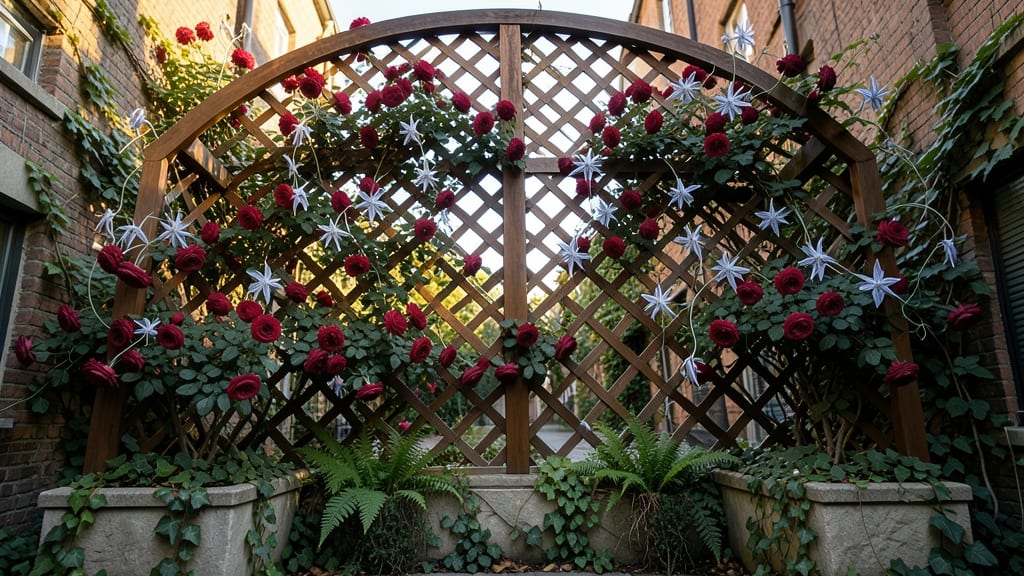
Turn your narrow yard or tiny urban patio into a lush vertical paradise with a tiered trellis flower bed. This design transforms limited ground space into a dramatic, three-dimensional display of climbing roses and clematis, perfect for adding height and romance without sacrificing square footage.
Start with a sturdy wooden frame or metal trellis system, dividing it into three tiers—each supporting a different climber. Plant dwarf roses at the base for sturdy growth, clematis in the middle for cascading blooms, and trailing honeysuckle at the top for soft, fragrant spills. Use well-draining soil and fertilize monthly during bloom season to encourage vigorous climbing. Prune roses after flowering and clematis in early spring for the best structure.
This design is especially magical for small-space gardeners or those with limited sunlight, as climbing plants often thrive in 6 hours of sun or more. The vertical drama creates a focal point that draws the eye upward, making even the smallest garden feel grand. 🌻
Seasonal Color Gradient Flower Bed
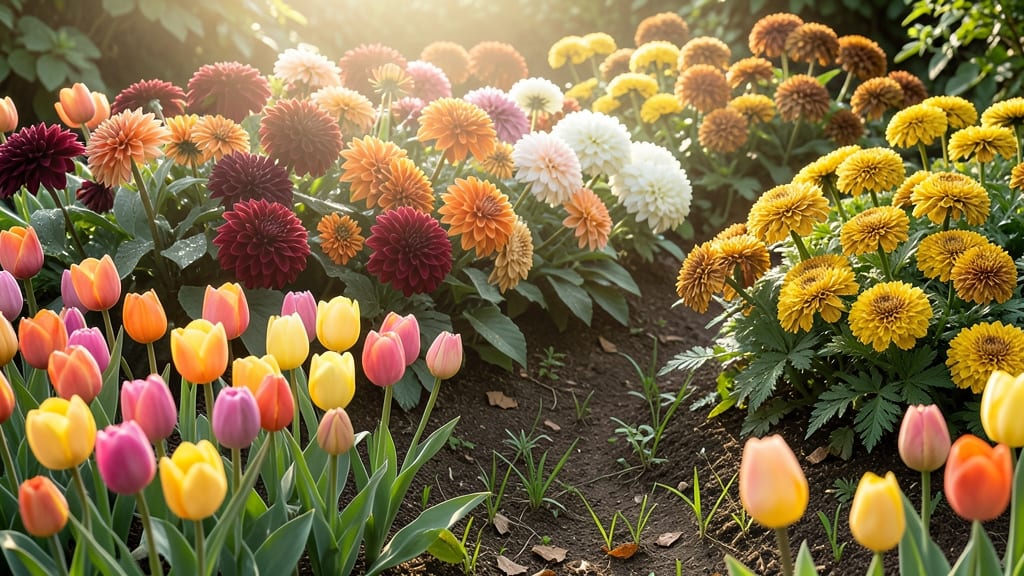
Tired of seasonal gaps in your garden’s color? A seasonal color gradient flower bed solves that problem by blending spring tulips, summer dahlias, and autumn mums into one seamless display. This design ensures your garden stays vibrant from April through October without dead zones.
Start by planting early-blooming tulips (like 'Darwin Hybrid' varieties) at the front, followed by mid-summer dahlias (such as 'Café au Lait') in the center, and late-season chrysanthemums (like 'Mammoth' types) toward the back. Use a neutral mulch (such as black or brown) to unify the transition. Space plants in odd-numbered groupings (3, 5, or 7) for a natural, balanced look.
This approach is ideal for formal gardens or gardeners who love structured yet lush designs. The layered blooms create depth while keeping maintenance simple—just deadhead spent flowers to encourage new growth. 🌻
Native Wildflower Meadow Border
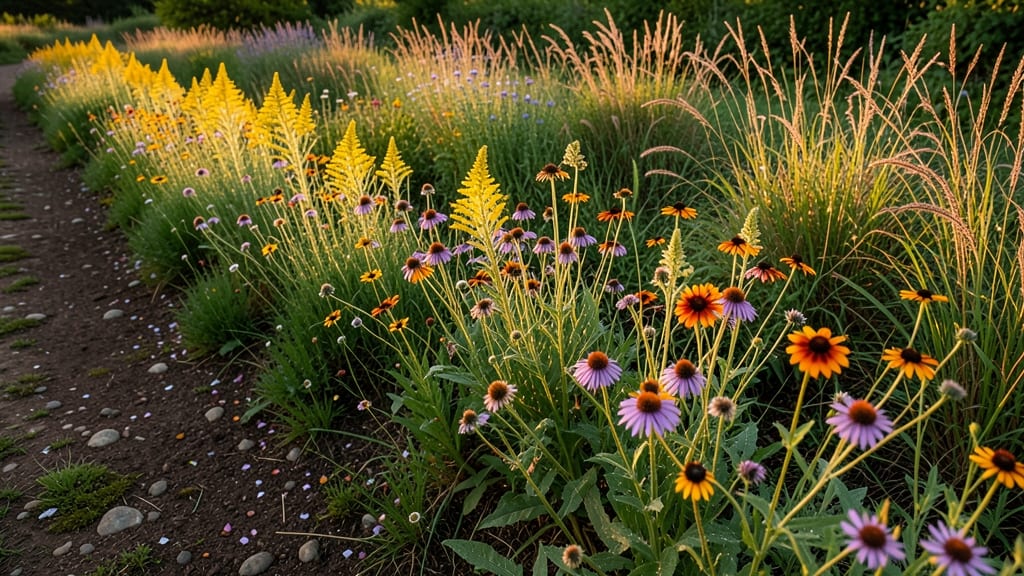
Skip the meticulous planning and high water bills—your long flower bed can thrive with a native wildflower meadow border. This design mimics natural ecosystems, requiring just one seasonal watering after establishment while feeding bees, butterflies, and hummingbirds all summer long.
Start with a mix of drought-tolerant perennials like purple coneflowers, black-eyed Susans, and goldenrod—all of which reseed naturally for years of effortless blooms. Let grasses like little bluestem frame the edges for texture, and avoid mowing until late fall to preserve seed heads for winter interest. The key? No fertilizers—these plants evolved to thrive in lean, native soils.
Perfect for rural properties or water-conscious gardeners, this border turns neglected corners into buzzing pollinator highways with almost zero upkeep. 🌻
Geometric Boxwood Frame Flower Bed
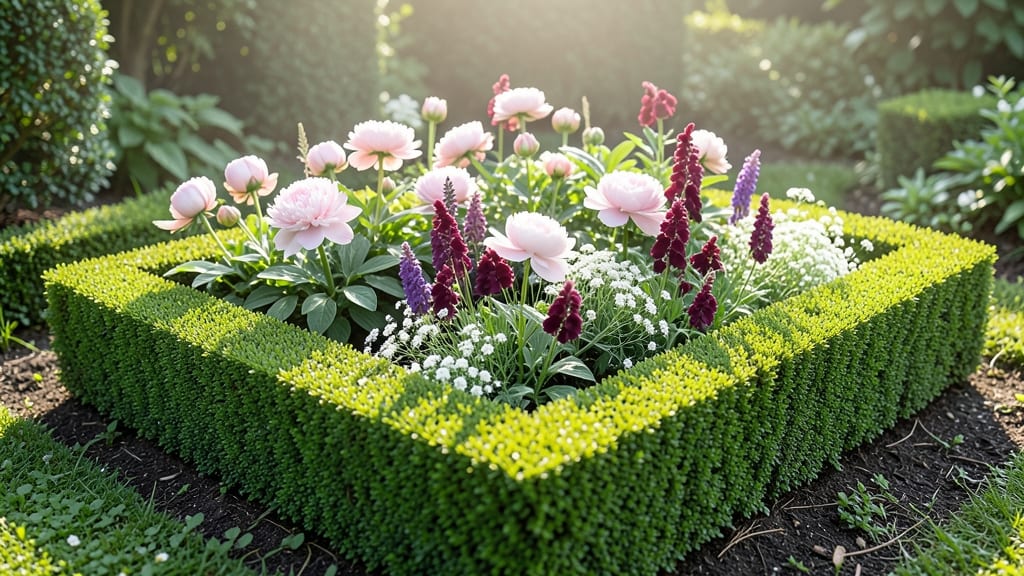
Want a garden that looks like a high-end landscape magazine spread without the high-end price tag? A geometric boxwood frame flower bed delivers that polished, structured look with surprisingly simple maintenance. This design uses boxwood hedges as crisp, architectural borders to contain seasonal blooms—think white peonies or blue delphiniums—while keeping the overall aesthetic clean and refined.
Start by planting boxwood shrubs in precise geometric shapes (squares, rectangles, or even diamond patterns) along the perimeter of your long bed. Space them about 12-18 inches apart for a dense, uniform hedge that stays neat with minimal trimming. Inside the frame, mix perennials and annuals for year-round interest—like early spring bulbs, summer dahlias, and fall mums—while using gray gravel or mulch to enhance the crisp lines.
This design is perfect for gardeners who love a formal aesthetic but still want vibrant color and texture. It’s especially flattering for long, narrow spaces like side yards or entryway gardens, where the structured borders create a sense of order and elegance. 🌟
Drought-Tolerant Succulent Flower Bed
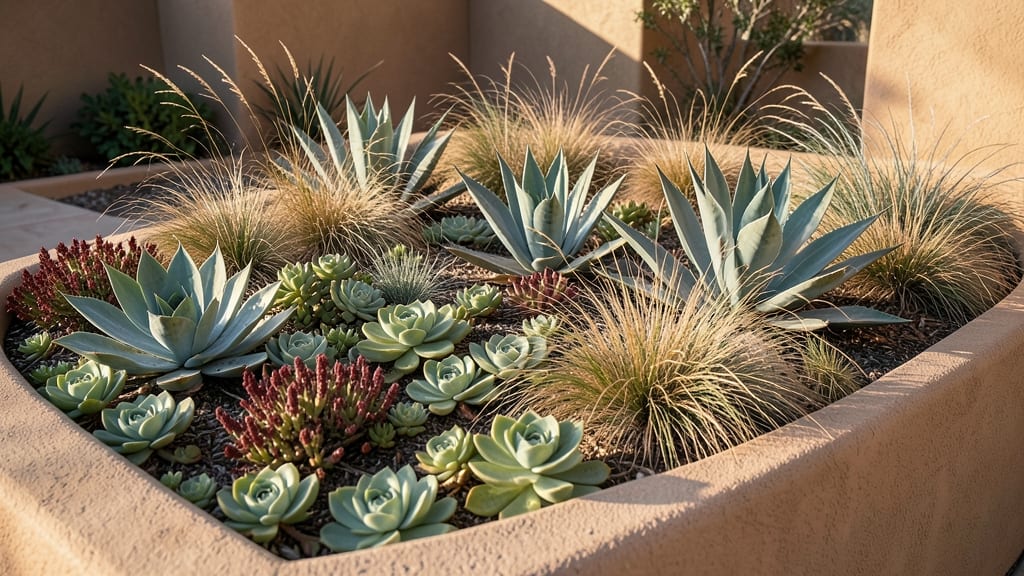
Turn your water bill into a water-wise garden with a drought-tolerant succulent flower bed that thrives on neglect. This design combines sedum, agave, and ornamental grasses to create a striking, low-maintenance landscape that flourishes in hot, dry climates—ideal for desert landscapes or urban gardens where water conservation is key.
Start with a sandy, well-draining soil mix to prevent rot, and space plants based on their mature size: agave for bold structure, sedum for cascading texture, and ornamental grasses like feather reed grass for movement. Mulch lightly with gravel to retain moisture and suppress weeds, then water deeply—but only once every 2-3 weeks once established. The result? A vibrant, year-round display that requires almost no upkeep.
This bed is perfect for busy gardeners, eco-conscious homeowners, or anyone in USDA zones 5-10 who wants to reduce water usage without sacrificing beauty. Let nature do the work—and watch your garden thrive. 🌻
Butterfly Garden with Host Plants
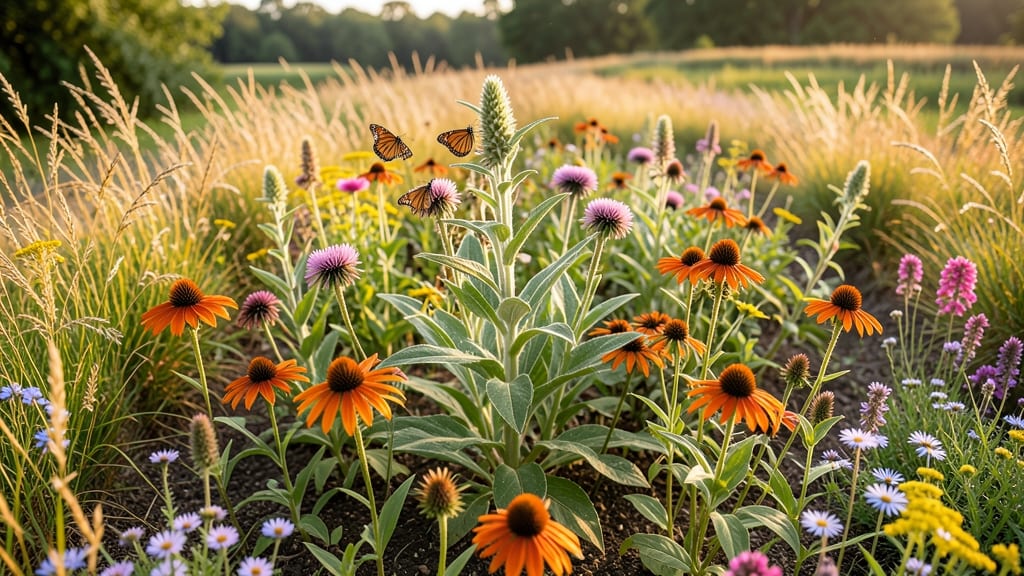
Turn your long flower bed into a butterfly haven with a design that supports local ecosystems while dazzling you with color. This isn’t just a garden—it’s a year-round wildlife sanctuary that thrives on diversity, from the moment monarch caterpillars munch on milkweed to hummingbird moths sipping nectar from butterfly bush blooms.
Start with Asclepias tuberosa (butterfly weed) as your star host plant—its bright orange flowers feed adult butterflies while its leaves sustain hungry caterpillars. Pair it with Buddleia davidii (butterfly bush) for late-summer blooms that attract over 40 species, then fill gaps with Lantana camara and Echinacea purpurea for continuous nectar. Plant in full sun with well-draining soil, and space milkweed 18–24 inches apart for optimal growth.
This design is perfect for eco-conscious gardeners who want to make a tangible difference—one long bed at a time. Watch your garden transform into a fluttering paradise as butterflies return year after year. 🌻
Raised Wooden Planter Flower Bed
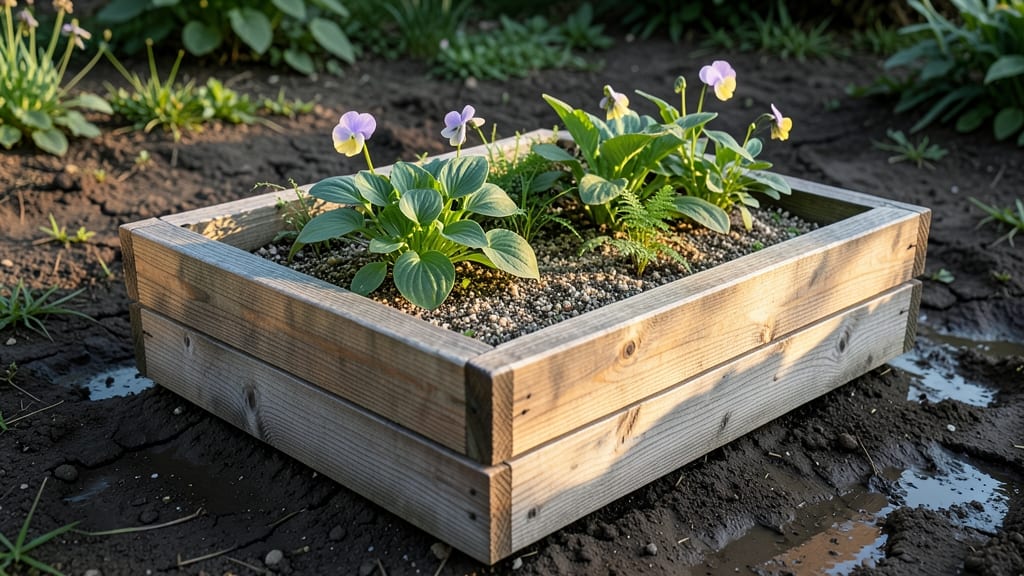
If your garden struggles with heavy clay soil or soggy spots, a raised wooden planter flower bed is your secret weapon. These elevated beds create the perfect foundation for thriving plants by preventing soil compaction and improving drainage—no more waterlogged roots or stunted growth.
Fill your planter with a mix of moisture-loving annuals like impatiens and drought-tolerant perennials such as lavender. Cedar or redwood lumber resists rot, while adding a drip irrigation system keeps maintenance simple. The elevated design also makes weeding and harvesting easier, especially for vegetables like lettuce or herbs that benefit from cooler root zones.
This versatile solution works for both urban balconies and rural gardens, giving you control over soil quality and plant health. Perfect for beginners or anyone tired of battling poor drainage! 🌻
Moon Garden with Nocturnal Blooms
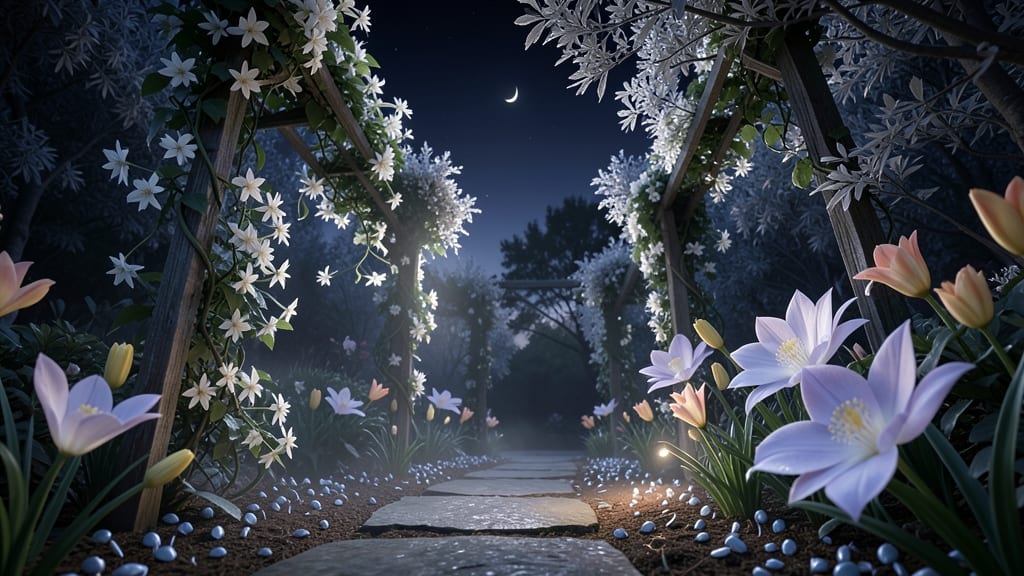
Transform your garden into a magical evening retreat with a moon garden that shimmers under the night sky. This enchanting design features nocturnal-blooming flowers like night-blooming jasmine and moonflower, which release their fragrant blooms as daylight fades, creating a dreamy atmosphere perfect for romantic dinners or stargazing.
Plant white and silver flowers like gardenias, dusty miller, and evening primrose to maximize their luminous effect. These varieties thrive in partial to full shade, making them ideal for areas where daytime sun is limited. Add a winding gravel pathway to enhance the serene ambiance while ensuring easy access for maintenance.
This design is perfect for gardeners who love creating intimate outdoor spaces or hosting evening gatherings. The soft glow of moonlight on these delicate blooms will leave your guests—and your senses—enchanted. ✨
Curved Cottage Garden Flower Bed
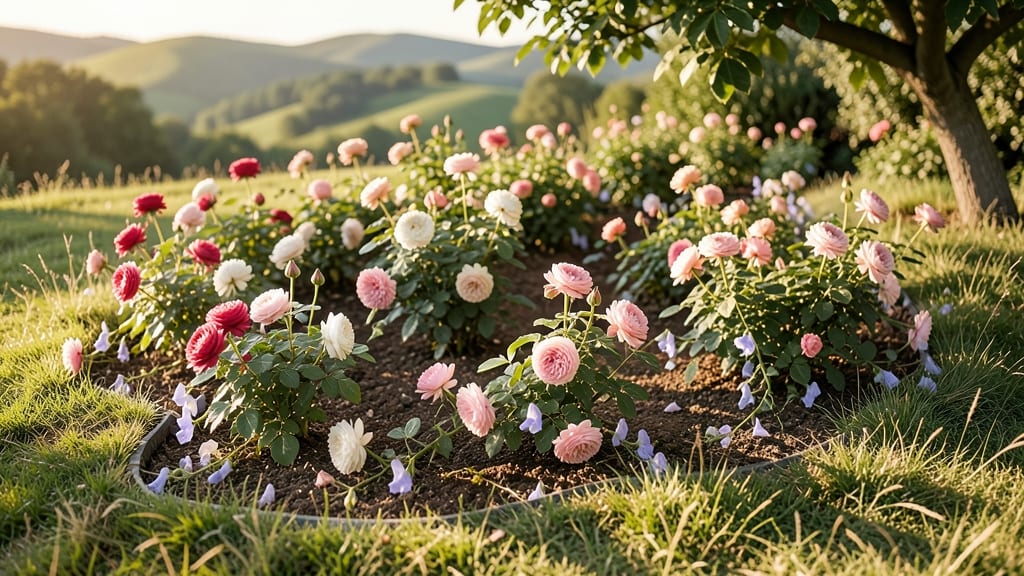
Skip the rigid lines and embrace the charm of a curved cottage garden flower bed—where soft edges and overflowing blooms create a romantic, lived-in feel. This design thrives on spontaneity, blending roses, peonies, and sweet peas in a way that feels both effortless and intentional.
Start by outlining your bed with rustic stones or low hedges to guide the curve naturally. Plant tall climbing roses along the back, mid-height peonies in the center, and trailing sweet peas or lavender at the front. Add wildflower accents like poppies or cosmos to soften edges and attract pollinators. Mulch with straw or wood chips to suppress weeds while keeping the look cozy.
This design is ideal for gardeners who love a low-maintenance yet abundant look—perfect for cottage-style homes or small yards. The key is letting plants spill over the edges for that signature cottage charm. 🌷
Modern Minimalist Flower Bed with Monochromatic Scheme

Tired of cluttered, chaotic flower beds that feel more like a botanical jungle than a polished design? A monochromatic scheme turns your long flower bed into a modern art piece—think all-white calla lilies or deep purple salvias paired with silver foliage for a striking, cohesive look that wows without overwhelming.
Start with a neutral base like black mondo grass or silver dusty miller to anchor the design, then layer in two to three shades of a single hue—like blush pinks and whites or deep purples and lavenders. Use clean-edged materials** like concrete or metal borders to keep the look sleek, and add geometric trellises for subtle structure. This design thrives in urban courtyards or minimalist modern homes where simplicity meets sophistication.
Perfect for gardeners who love low-maintenance elegance, this scheme requires less plant variety to manage while delivering maximum visual impact. It’s also ideal for small spaces where bold colors might feel overwhelming. 💚