
Flowers
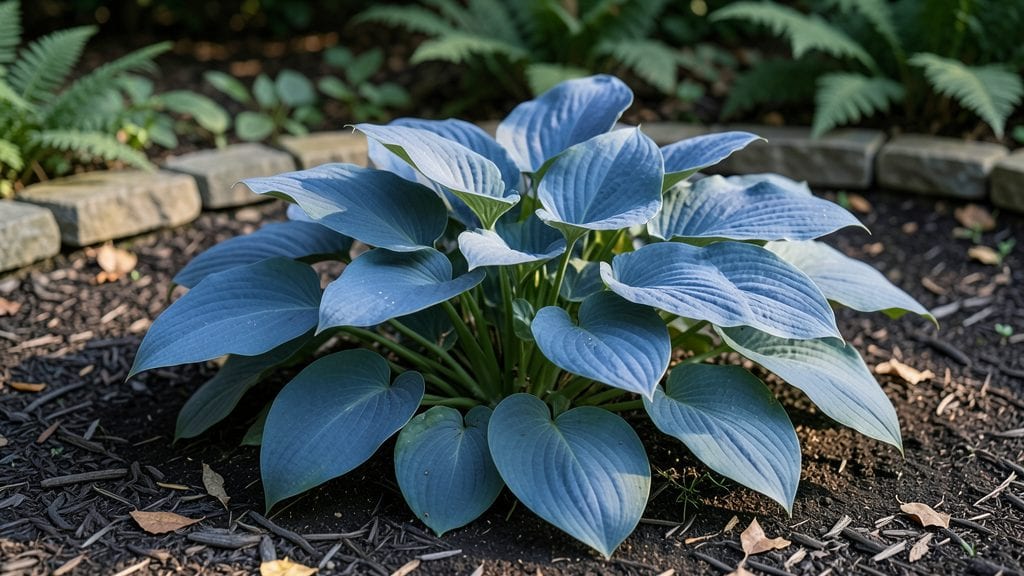
Perennials get their name from the Latin perennis, meaning "through the years," but this doesn't guarantee they'll bloom or look the same every season. 🌱 Many perennials—like peonies or hostas—die back in winter only to re-emerge stronger in spring, while others like lavender may live for decades without flowering annually.
The key difference lies in their underground structures: roots, tubers, or bulbs store energy to regenerate, even if the above-ground parts fade away.
What trips up gardeners is the assumption that "perennial" equals "low-maintenance." Some, like daylilies, thrive in harsh winters, while others, such as tropical perennials, need protection or warmer climates.
Always check your USDA hardiness zone and the plant's specific needs before committing—this makes all the difference in whether your perennials return year after year or become a seasonal memory.
💡 In This Article
- Botanical Definition of Perennial Plants
- How to Identify True Perennials for Your Garden
Botanical definition of perennial plants
Botanically, perennials are classified by their life cycle and growth habits, not just their longevity. There are two main types: woody perennials (like trees or shrubs) and herbaceous perennials (non-woody plants such as hostas or coneflowers).
Woody perennials develop persistent stems that grow thicker each year, while herbaceous perennials die back to the ground annually but regenerate from underground structures. This distinction explains why some "perennials" may appear to disappear in winter—it's just their above-ground growth resting.
The key to their survival lies in specialized underground storage organs. Rhizomes (like in iris) spread horizontally, storing nutrients and sending up new shoots. Tubers (such as dahlias) store starches, while bulbs (like tulips) contain concentrated energy reserves.
These structures can remain dormant for months, even years, until conditions become favorable. For example, a peony's crown can survive -30°F winters, while tropical perennials like cannas need 50°F minimum temperatures to avoid freezing.
This contrasts sharply with annuals, which complete their entire life cycle in one growing season, and biennials, which take two years (like carrots or foxgloves). Annuals focus all energy on seed production, while biennials store energy in their first year to flower and seed in the second.
Perennials, however, balance growth and reproduction across multiple seasons, often producing flowers and seeds annually while maintaining their structural integrity through their persistent roots or stems. 🌿
What makes perennials fascinating is their adaptive strategies. Some, like monocarpic perennials (such as agave), live for years before flowering once and dying—technically making them "perennial" in structure but not in reproductive lifespan.
Others, like evergreen perennials (such as boxwood), retain foliage year-round, while deciduous perennials (like bee balm) shed leaves annually. These variations explain why your garden's perennials might not all behave the same way each season.
Climate plays a crucial role in determining whether a perennial will return. For instance, hardy perennials like Russian sage thrive in USDA Zone 4 (down to -30°F), while tender perennials like bougainvillea need Zone 10 (30°F minimum).
Even within these categories, some perennials may skip flowering years if stressed, focusing instead on root or stem growth. This is why a healthy perennial bed might look "empty" one year but burst back with vigor the next.
Understanding these botanical distinctions helps gardeners make informed choices. If you're planting for long-term beauty, focus on herbaceous perennials with strong root systems, like black-eyed Susans or daylilies, which reliably return each spring. For structure, woody perennials like butterfly bush or hydrangeas provide year-round interest.
The secret to perennial success lies in matching plants to your climate and soil conditions—then letting their natural resilience do the rest. ✨