
Flowers
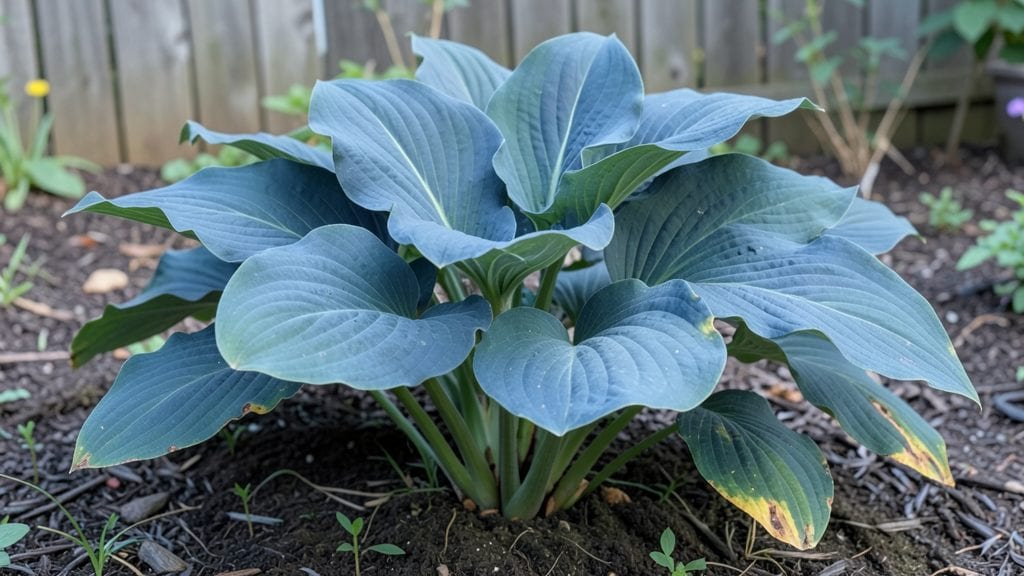
Yes, perennials grow back every year by storing energy underground in roots, rhizomes, or bulbs, then regrowing from these reserves once conditions improve. Most resume growth in spring, though timing varies by plant and climate zone.
Perennials rely on their underground storage systems—like roots or bulbs—to survive winter, acting as natural batteries that recharge each season. 🌱 The key is their ability to pause growth when temperatures drop, then "wake up" when warmth returns, often between late winter and early spring.
This cycle explains why perennials like hostas or daylilies return year after year, while annuals like marigolds complete their entire life cycle in one season.
What sets perennials apart is their resilience—many even thrive after harsh winters, provided their roots stay protected. For example, peonies store energy in thick roots, while iris plants use rhizomes to regenerate.
Understanding this process helps gardeners time pruning and fertilization for optimal regrowth, ensuring those vibrant blooms come back bigger and stronger each spring.
💡 In This Article
- How Perennial Plants Survive Winter Dormancy
- When and How to Prune Perennials for Healthy Regrowth
How perennial plants survive winter dormancy
Here's what's actually happening underground: perennials enter a survival mode called dormancy, triggered by shortening daylight and dropping temperatures. Their above-ground growth shuts down, but the real magic happens in specialized storage organs.
Think of these as nature's energy banks—roots, rhizomes, and bulbs packed with starches and sugars that fuel regrowth when conditions improve. For instance, a peony's thick roots can store enough energy to produce a 2-foot-tall plant the following spring, even after months of freezing temperatures.
The science involves hormonal shifts too. As temperatures drop below 40°F, plants produce more abscisic acid, a hormone that signals dormancy. This causes cells to form protective layers and reduces water loss. Meanwhile, the plant's antifreeze proteins (yes, they exist!) prevent ice crystals from damaging cell walls.
Some perennials, like heuchera, even develop a waxy coating on their leaves to minimize moisture loss during winter. The result? A plant that looks dead but is actually in a low-energy survival state, ready to bounce back when spring arrives.
What most people don't realize is how temperature thresholds vary by plant type. Tender perennials (like cannas) need 50°F minimum temps to survive winter, while hardy varieties (such as coneflowers) can endure -30°F or colder.
This explains why some perennials die back to the ground in mild climates but remain evergreen in colder regions. The key factor is the plant's cold hardiness zone rating, which determines how well it can withstand freezing temperatures while dormant.
Seasonal timing plays a crucial role too. Most perennials begin regrowth when soil temperatures reach 45-55°F, typically between late winter and early spring. This is when stored starches convert back into sugars for new growth.
For example, hostas often send up shoots in March in Zone 5, while daylilies might wait until April. The delay ensures the plant doesn't waste energy too early in the season when frost is still possible.
One fascinating adaptation is how some perennials "cheat" the system. Rhizomatous plants like iris spread horizontally underground, creating new growth points each year. Others, like tulip bulbs, form layers of protective scales that shield the central bud from freezing.
This layered defense system is why tulips can survive winters even when their foliage is completely brown and brittle. The bulbs remain dormant until soil temperatures rise, at which point they "remember" their programmed growth cycle and send up shoots.
Understanding these mechanisms helps gardeners make smarter choices. For instance, mulching with 3-4 inches of organic material (like straw or leaves) insulates roots from extreme temperature swings.
Similarly, knowing a plant's dormancy period explains why early spring pruning can stimulate new growth—cutting back dead foliage removes competition for the plant's stored energy reserves. 💫