
Flowers
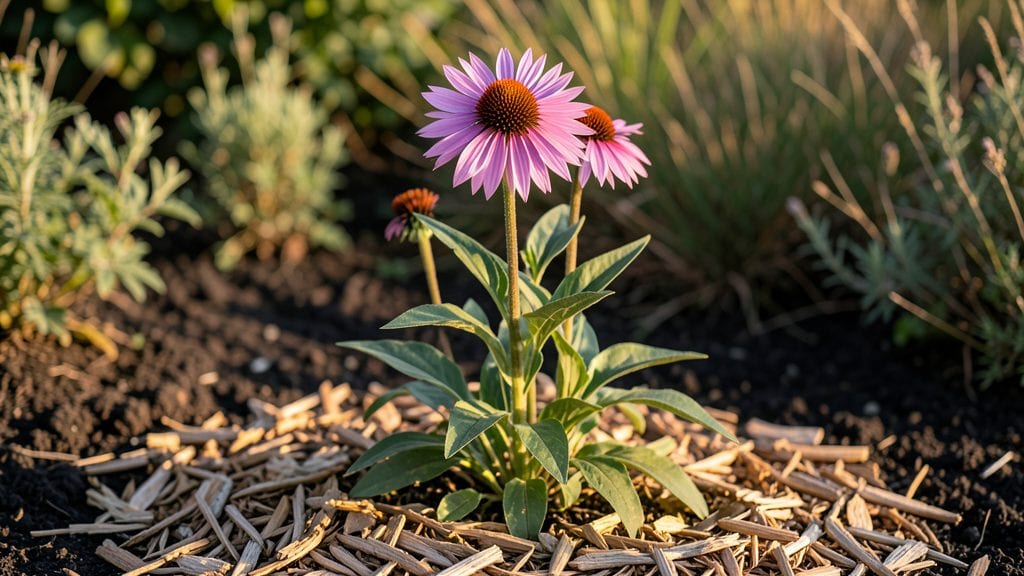
Perennial flowers do grow every year, regenerating from their robust root systems after winter dormancy, though their bloom strength and growth may fluctuate based on environmental conditions and care.
These hardy plants store energy underground during cold months, allowing them to push new growth when temperatures rise. 🌱 The key difference between perennials and annuals lies in their root structure—perennials develop deep, resilient roots that survive freezing temperatures, while annuals rely entirely on seasonal seeds.
In my garden, I’ve noticed that well-established perennials like coneflowers and black-eyed Susans often outperform newer plants because their roots have had years to build strength.
However, not all perennials thrive equally in every climate. Cold-hardy varieties like Russian sage can endure -30°F winters, while tropical perennials like canna lilies need protection below 30°F. Understanding your USDA hardiness zone helps predict which perennials will reliably return year after year in your region.
💡 In This Article
- How Perennial Flowers Survive Winter Dormancy
- Tips to Ensure Perennial Flowers Reappear Annually
How perennial flowers survive winter dormancy
Perennial flowers rely on a biological survival strategy called dormancy, where they enter a state of reduced metabolic activity during cold months. This process begins when temperatures drop below 50°F, triggering the plant to slow growth and redirect energy to its roots.
Deep-rooted perennials like peony (which can have roots extending 2-3 feet deep) store carbohydrates in specialized root tissues, while shallow-rooted varieties such as coral bells store energy in fibrous root networks near the soil surface.
The key difference lies in their ability to maintain cellular integrity through freezing temperatures, thanks to proteins called antifreeze proteins that prevent ice crystal formation in their cells.
Temperature adaptation varies dramatically by species. For example, hardy perennials like lavender thrive in USDA Zone 5 (down to -20°F)), while tropical perennials such as ginger require Zone 9+ protection (above 20°F)).
The root systems of cold-hardy perennials often contain high starch reserves—up to 30% of their dry weight—which fuel rapid regrowth when spring arrives. In contrast, tender perennials may need winter mulching or container protection to survive freezing.
The deeper the root system, the better the plant's insulation against temperature fluctuations.
The USDA hardiness zone system provides a useful framework for predicting perennial survival. A Zone 6 perennial (like daylilies) can withstand -10°F winters, while a Zone 3 perennial (like coneflowers) handles -40°F.
What most gardeners don't realize is that even within a zone, microclimates matter—south-facing slopes warm faster in spring, giving perennials a head start. This is why some perennials in Zone 7 may return reliably in sheltered spots but struggle in exposed areas where temperatures dip lower.
Shallow-rooted perennials face greater risks during freeze-thaw cycles because their roots are closer to the soil surface. For instance, hostas (which have roots within 6-12 inches of the surface) may suffer more from soil heaving—a process where expanding ice pushes roots upward, damaging them.
Deep-rooted perennials like black cohosh (with roots reaching 2-3 feet) are more resilient because their energy reserves are better insulated. The trade-off? Shallow-rooted perennials often recover faster in spring because their roots are closer to warmer soil layers.
Another critical factor is the timing of dormancy. Perennials enter dormancy when daylength shortens and temperatures drop, but some species (like heuchera) can remain semi-dormant until late winter. This delayed response explains why some perennials bloom earlier in mild winters—because their dormancy period was cut short.
The science here involves phytohormones like abscisic acid, which signals the plant to pause growth and conserve resources. Without this hormonal shift, perennials would deplete their energy reserves before spring.
Understanding these mechanisms helps explain why some perennials decline over time. Poor soil health, inconsistent watering, or improper pruning can weaken root systems, reducing their ability to store energy. For example, a peony with depleted roots may produce fewer blooms because it lacks the starch reserves needed for vigorous growth.
The lesson? Healthy roots are the foundation of perennial longevity—prioritize soil fertility and proper winter care to ensure your perennials return stronger each year. 🌿