
Flowers
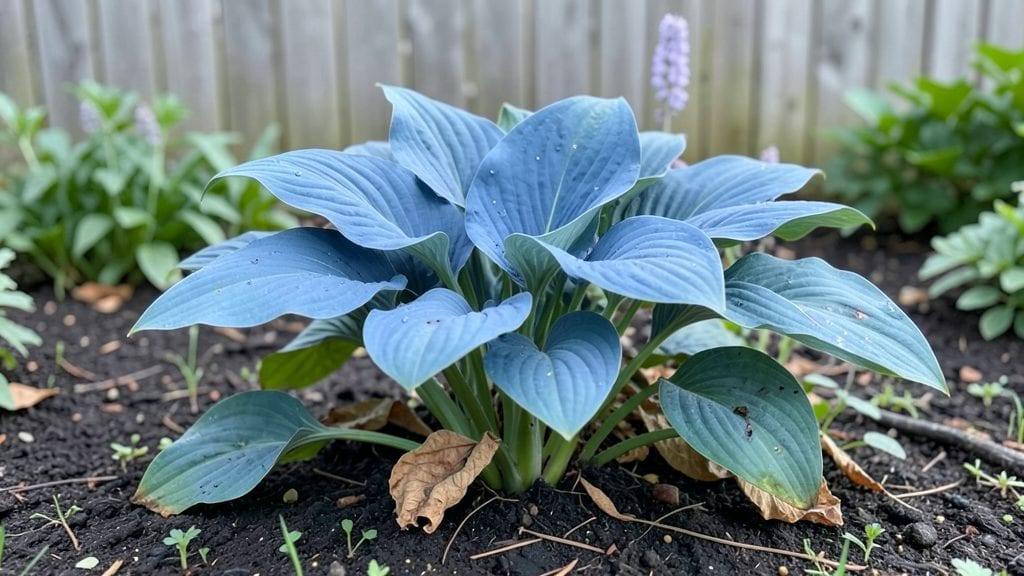
Yes, perennials grow back each year from the same root system, unlike annuals that die after one season or biennials that complete their lifecycle in two years. Their hardy underground structures—like rhizomes, tubers, or crowns—allow them to regenerate above-ground growth annually under proper conditions.
Perennials owe their persistence to specialized root systems that store nutrients and moisture, like bulbs or deep taproots. 🌱 These structures remain dormant during harsh seasons but spring back to life when conditions improve, giving perennials their legendary reliability.
Unlike annuals that complete their entire lifecycle in one season, perennials focus energy underground, ensuring they bounce back year after year with minimal care.
This biological advantage makes them ideal for gardeners seeking low-maintenance plants. Many popular perennials—like daylilies, hostas, and peonies—demonstrate this resilience, returning stronger each spring with proper winter protection and seasonal maintenance. The key difference lies in their ability to survive through adverse conditions while annuals and biennials cannot.
💡 In This Article
- How Perennial Root Systems Enable Yearly Regrowth
- Caring for Perennials to Ensure Reliable Regrowth
How perennial root systems enable yearly regrowth
The secret behind perennials' ability to return year after year lies in their specialized underground storage organs.
Unlike annuals that invest all energy into seed production or biennials that store energy for just two years, perennials develop structures like rhizomes (horizontal stems), bulbs (modified leaves), and taproots (deep central roots) that act as biological batteries.
These structures store carbohydrates, proteins, and water—often enough to sustain the plant through 6-12 months of dormancy. For example, a peony's thick, fleshy roots can store 30-40% starch by weight, fueling its regrowth each spring.
Consider how a daylily's rhizome system works: these segmented underground stems produce new shoots at nodes while storing nutrients in each segment. When temperatures drop below 40°F, the rhizomes enter dormancy, halting growth but maintaining cellular integrity.
This contrasts sharply with annuals like marigolds, whose entire plant structure dies back after flowering, leaving only seeds. The perennial's root system remains metabolically active at reduced levels, ready to burst into growth when soil temperatures reach 55-60°F—a process called vernalization that triggers regrowth hormones.
Dormancy isn't just survival—it's strategic preparation. During winter months, perennials like hostas convert stored starches into sugars that protect cellular membranes from freezing. Their deep taproots (like those of black-eyed Susans) can extend 3-5 feet underground, accessing moisture from deep soil layers while shallower roots remain protected.
This dual-system approach explains why perennials thrive in USDA zones 3-9 with minimal supplemental watering once established—something annuals simply can't match.
The structural differences become clear when comparing a perennial's crown (the junction between roots and stems) to an annual's seed. While an annual's entire lifecycle depends on seed viability, a perennial's crown contains meristematic cells—undifferentiated cells capable of producing new shoots, leaves, and flowers.
These cells remain protected within the crown's 0.5-2 inch layer of insulating tissue, shielded from temperature fluctuations and pests. This biological insurance policy is why perennials like coneflowers can regenerate from just a 2-inch root fragment.
What most gardeners don't realize is how these systems adapt to environmental stress. During drought, perennials like lavender enter summer dormancy, shedding leaves to conserve moisture while maintaining root activity. Their deep root systems can access water 6-12 inches below the surface—far deeper than annuals' shallow roots.
This explains why established perennials often outlast annuals in drought-prone regions like the Southwest, where proper watering can mean the difference between survival and death for both plant types.
Even the timing of regrowth reveals these differences. While annuals like zinnias complete their entire growth cycle in 90-120 days, perennials like bee balm may take 60-90 days just to re-establish their root systems before flowering.
This delayed but reliable growth pattern makes perennials the backbone of low-maintenance gardens, where they return stronger each year while annuals require complete replanting annually.