
Flowers
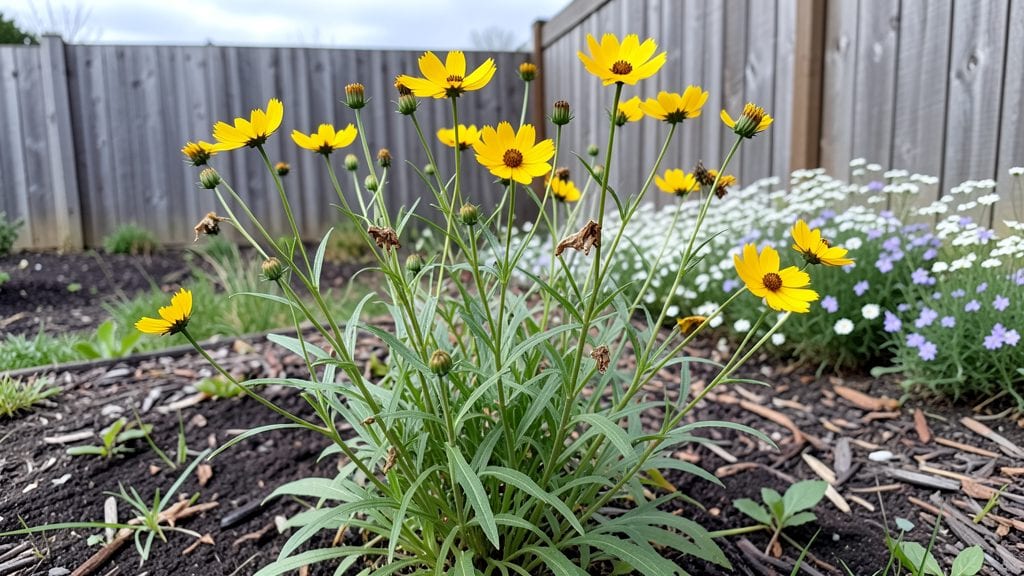
Wildflowers can be annuals, perennials, or biennials, depending on the species and growing conditions. Annuals complete their life cycle in one season, perennials return yearly, and biennials take two years to flower and set seed.
Wildflowers don't fit into just one category—their life cycles vary widely based on genetics and environment. 🌸 For instance, sunflowers are classic annuals that burst into bloom and fade in a single season, while black-eyed Susans thrive as perennials, returning year after year with minimal care.
The key difference lies in their root systems: perennials develop deep, woody roots that store energy, while annuals focus all their energy on rapid above-ground growth and reproduction. This diversity means you can design gardens that bloom continuously by mixing species with staggered life cycles.
Climate plays a huge role too. In warmer regions, many plants that would be perennials in cooler zones behave like annuals, completing their cycle before summer heat sets in. I've seen this firsthand with California poppies—they'll self-seed prolifically in Mediterranean climates but often struggle to return in colder winters.
Understanding these patterns helps you choose the right wildflowers for your specific growing conditions and desired bloom times.
💡 In This Article
- Wildflower Life Cycle Variations by Species
- Choosing Wildflowers for Season-Long Blooms
Wildflower life cycle variations by species
Here's what actually happens beneath the surface: annual wildflowers like cosmos and zinnias have evolved to grow, flower, and set seed in just 60-90 days, often producing thousands of tiny seeds to ensure survival.
Their shallow root systems (typically 12-18 inches deep) maximize quick nutrient uptake, while their rapid growth strategy prioritizes reproduction over longevity. This is why you'll see them explode with color in summer but disappear by fall—it's not failure, but a perfectly timed biological strategy for species adapted to unpredictable environments.
The science behind perennials like black-eyed Susans and coneflowers involves a completely different survival mechanism. These plants develop deep taproots (often extending 3-5 feet or more) that store carbohydrates and nutrients over winter.
The energy reserves allow them to regrow from the same root system year after year, with some species like peonies living for 50+ years in ideal conditions.
What's fascinating is how their flowering time is genetically programmed—many perennials only bloom when they've reached a certain size or energy threshold, which explains why young plants might take 2-3 years to produce their first flowers.
Biennials like foxgloves and hollyhocks take this adaptation even further by splitting their energy between growth and reproduction across two seasons.
In their first year, they focus on building a robust root system and leaf mass (often reaching 18-24 inches tall by autumn), then flower and set seed in their second year.
This two-year cycle gives them a competitive advantage in disturbed soils where annuals might dominate—by the time they're ready to flower, many annual competitors have already completed their life cycle. The tradeoff? Biennials require more consistent moisture during their first growing season to establish properly.
Climate acts as the ultimate director for these life cycles. In regions with hot, dry summers like the Southwest, many perennials behave like annuals because they can't survive the intense heat and drought.
I've observed this with blanket flowers (Gaillardia) which often complete their cycle in one season in Arizona but return reliably in cooler, wetter Pacific Northwest climates.
The same species can exhibit completely different life cycle patterns just 500 miles apart, demonstrating how environmental factors override genetic programming in these resilient plants.
What most gardeners don't realize is how these life cycle differences translate to practical garden design. Annuals provide instant color but require replanting, while perennials offer long-term beauty with less maintenance. The secret to a thriving wildflower meadow?
Mixing species with staggered bloom times—like planting early-blooming annuals (e.g., sweet alyssum) alongside late-season perennials (e.g., goldenrod) to create continuous color from spring through fall. This ecological strategy mirrors natural prairie systems where different species fill temporal niches.
The root systems tell the real story about survival strategies. Annuals invest everything in above-ground growth because they know winter will kill them anyway, while perennials build underground storage like nature's own seed bank.
This is why you can often find perennials returning in your garden years after you've stopped planting them—they've been quietly storing energy all along, waiting for the right conditions to bloom again. 🌿