
Landscaping
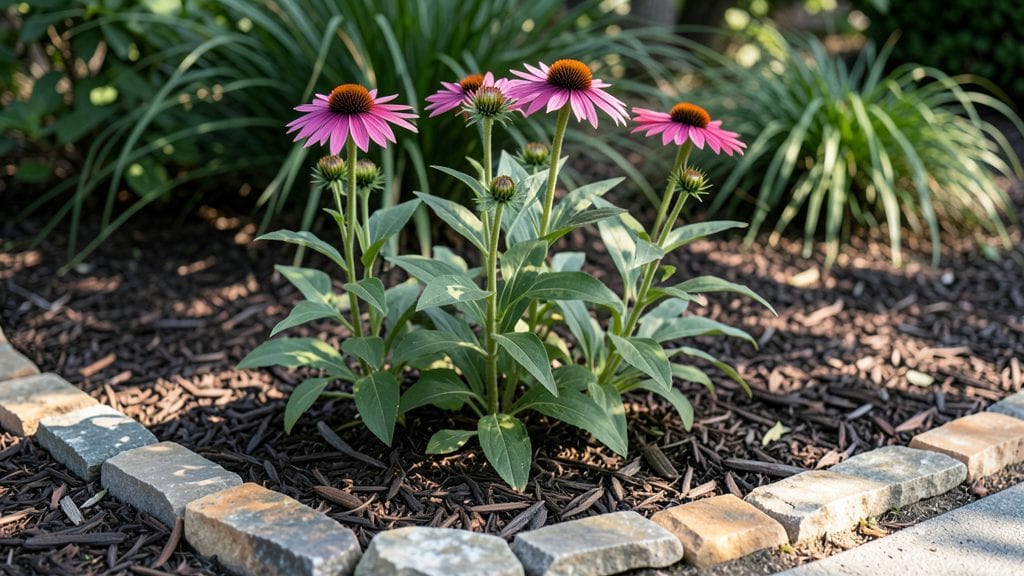
A perennial flower garden that blooms from spring to frost with almost no pruning sounds like magic—but it’s just smart layering. 🌿 I designed my first one after getting tired of replanting annuals every year, and now it’s the showstopper of my yard with almost zero upkeep.
The secret isn’t fancy plants; it’s choosing the right mix of hardy perennials that overlap bloom times and fill every season.
Start with a color palette that excites you—soft purples and whites for a cottage feel, bold reds and oranges for drama, or pastels for a modern look.
Group plants by height (tall in back, medium in middle, low in front) to create natural layers, and add a few focal points like a striking tree or sculptural shrub. Native plants are my go-to because they thrive with less fuss, and their deep roots keep soil healthy.
By midsummer, you’ll have a garden that hums with activity—bees on coneflowers, butterflies on black-eyed Susans, and late-season blooms like asters keeping things lively until frost.
The best part? You’ll spend less than an hour a month on light trimming, and the garden will look better each year as plants establish.
Works for any space—whether you’ve got a postage-stamp patio or a half-acre backyard. The same principles apply, just scaled to fit. Ready to design a garden that practically takes care of itself?
📚 In This Guide
- What you need
- Instructions
- Tips and common mistakes
- Wrapping up and next steps
What you need
- ● Perennial plants: Choose a mix of heights, colors, and bloom times (e.g., coneflowers, black-eyed Susans, daylilies, sedum, and salvia). Aim for 3–5 varieties per square foot for a lush look.
- ● High-quality soil: Topsoil or compost (at least 2–3 inches deep) to improve drainage and fertility.
- ● Organic mulch: 2–4 inches of shredded bark, straw, or wood chips to retain moisture and suppress weeds.
- ● Garden tools: Trowel or hand shovel
- ● Pruners (bypass for clean cuts)
- ● Garden fork (for aerating soil)
- ● Wheelbarrow or bucket (for hauling soil/mulch)
- ● Watering supplies: Hose with a soaker nozzle or drip irrigation system (to avoid overwatering).
- ● Garden stakes or labels: For tracking plant names and spacing (especially useful for newbies).
- ● Edging tools: Metal or plastic edgers to define garden beds neatly.
- ● Garden gloves: Heavy-duty gloves to protect hands from thorns or rough mulch.
- ● Fertilizer: Slow-release organic fertilizer (like compost tea or bone meal) for extra nutrients.
- ● Decorative stones or pebbles: For pathways or accent borders (e.g., river rocks or slate tiles).
- ● Birdhouses or feeders: To attract pollinators and add charm to your garden! 🐦🐝
Instructions: design a low-maintenance perennial flower garden
Here's how to create a vibrant garden that thrives with seasonal interest and hardly any upkeep.
🌱 Step 1: Select Plants for Seasonal Layering
Choose perennials that bloom at different times to ensure continuous color. I always start with 3-5 early bloomers like hellebores or bleeding hearts for spring, then add mid-season stars like coneflowers or black-eyed Susans, and finish with late-season performers like asters or goldenrod. This creates a nonstop show from March through October.
Group plants by height—tall varieties like Joe Pye weed (5-6 feet) go in the back, medium plants (2-3 feet) in the middle, and low growers like creeping phlox (6-12 inches) in the front. This creates natural depth and prevents taller plants from shading out shorter ones too soon.
☀️ Step 2: Plan Sun and Soil Requirements
Map your garden space and note sun exposure—most perennials need at least 6 hours of sunlight daily, but some like hostas or lungwort thrive in partial shade (4-6 hours). I sketch a simple diagram with each plant's sunlight needs written beside it to avoid placement mistakes.
Test your soil's pH and drainage before planting. Most perennials prefer slightly acidic to neutral soil (6.0-7.0). If your soil drains poorly, mix in 2-3 inches of compost or sand to improve aeration. Amend the entire bed with 1-2 inches of compost before planting to feed roots for years to come.
🪴 Step 3: Arrange Plants in Odd-Numbered Groups
Instead of planting in straight rows, create natural-looking clusters of 3, 5, or 7 plants per variety. This mimics how perennials grow in the wild and makes the garden feel more organic. Space plants according to their mature size—12-18 inches apart for small perennials, 2-3 feet apart for medium, and 3-4 feet apart for large varieties.
Step back frequently to check the visual balance. If one area looks too empty, add filler plants like ornamental grasses or sedum, which provide texture and structure. Mulch with 2-3 inches of shredded bark after planting to retain moisture and suppress weeds—this is the secret to low-maintenance gardens.
✂️ Step 4: Prune Strategically for Year-Round Health
Most perennials need minimal pruning if you choose the right varieties. Deadhead spent blooms on coneflowers and black-eyed Susans in late summer to encourage a second flush of flowers. For grasses like switchgrass or fountain grass, cut back 2/3 of the plant in early spring before new growth appears.
Leave seed heads on some plants like coneflowers or asters—they provide winter interest and food for birds. Only remove them if they look unsightly or block new growth in spring. Never prune perennials in fall unless they're diseased, as the foliage protects roots from freezing temperatures.
💧 Step 5: Water Deeply and Infrequently
Water deeply once a week (or more in extreme heat) to encourage strong root systems. Aim for 1-1.5 inches of water per week, delivered slowly at the base of plants. Avoid overhead watering, which can spread disease and waste water through evaporation.
Check soil moisture by sticking your finger 2 inches deep—if it feels dry, it's time to water. Once established (after 2-3 years), most perennials will tolerate drought conditions with minimal care. The key is deep, infrequent watering that trains roots to seek moisture below the surface.
Tips & tricks for perfect perennial flower garden design
A few simple strategies will help you create a stunning perennial garden that thrives with minimal effort year after year.
Seasonal Layering Secret: When selecting your 3-5 early bloomers, include at least one fragrant variety like peonies or lilacs. Their scent will draw pollinators to your garden early in the season, creating a thriving ecosystem. I also recommend adding a few evergreen perennials like lamb's ear or sedum to provide year-round structure and prevent winter bareness. This creates visual interest even when other plants are dormant.
Soil Prep Game-Changer: Before adding your 1-2 inches of compost, work in a handful of bone meal (about 1/2 cup per square foot) for phosphorus boost. This encourages strong root development and vibrant blooms. For clay-heavy soils, mix in 2-3 inches of coarse sand to improve drainage—this prevents root rot and makes planting much easier. Trust me, this small step makes all the difference in plant health.
Planting Layout Pro Tip: When creating your odd-numbered groups (3, 5, or 7 plants), include at least one thriller, filler, and spiller combination in each cluster. For example, pair tall coneflowers (thriller) with ornamental grasses (filler) and creeping thyme (spiller) for maximum visual impact. This technique creates instant dimension and prevents that flat, planted look.
Watering Wisdom: To achieve that perfect 1-1.5 inches of water per week, use a rain gauge or tuna can to measure. Place it in your garden bed before watering to track exactly how much you're applying. In extreme heat, consider watering twice a week—early morning is best to prevent evaporation and fungal diseases. The key is consistency: better to water deeply once than lightly multiple times.
Pro Tips for Perennial Flower Garden Design
- A few simple strategies will help you create a stunning perennial garden that thrives with minimal effort year after year.
- Seasonal Layering Secret: When selecting your 3-5 early bloomers, include at least one fragrant variety like peonies or lilacs.
- Soil Prep Game-Changer: Before adding your 1-2 inches of compost, work in a handful of bone meal (about 1/2 cup per square foot) for phosphorus boost.
Frequently asked questions
about designing a perennial flower garden—because every gardener deserves a little clarity! Here are answers to the most common queries to help you create a stunning, low-maintenance space.What’s the best time of year to plant perennials?
Plant perennials in early spring or fall when the soil is workable but not frozen. Spring planting gives roots time to establish before summer heat, while fall offers cooler temps and reduced competition from weeds. Avoid planting in extreme heat or cold—roots need consistency!
How often should I water newly planted perennials?
Water deeply 2-3 times per week for the first month, then taper to once a week (or as needed) once established. Perennials thrive with 1-1.5 inches of water per week, including rainfall. Mulch helps retain moisture—just avoid piling it against stems to prevent rot.
Can I mix perennials with annuals in the same garden?
Annuals (like petunias or zinnias) add instant color and fill gaps while perennials establish. Place annuals in sun-loving spots where perennials might take time to mature. Just note: Annuals die back in winter, so plan for seasonal transitions!
What’s the easiest way to deal with pests in a perennial garden?
Prevention is key! Healthy soil = healthy plants—use compost and avoid over-fertilizing. For pests like aphids or slugs, try neem oil, diatomaceous earth, or hand-picking. Encourage beneficial insects (like ladybugs) by adding native plants—they’ll handle the work for you!
How do I choose perennials that bloom all season long?
Layer plants with different bloom times, like early spring bleeding hearts, summer black-eyed Susans, and fall asters. Research each plant’s USDA hardiness zone and sunlight needs. Pro tip: Color-blocking (grouping similar hues) creates a cohesive, long-lasting display!
Wrapping up and next steps
Designing a perennial flower garden is all about balancing beauty and ease—season-long color without the hassle of constant pruning! 🌸 By choosing the right plants, layering heights, and focusing on low-maintenance varieties, you’ll create a stunning, sustainable landscape that thrives year after year.
Whether you’re a beginner or a seasoned gardener, the key is to start small, experiment with textures, and let nature do the work.
Now that you’re inspired, take the next step: sketch your garden layout, pick 3-5 perennials to test, and dive in! Every bloom is a step toward a garden that feels like a masterpiece—and requires minimal effort to keep it that way. Happy planting! 🌿✨