
Plants
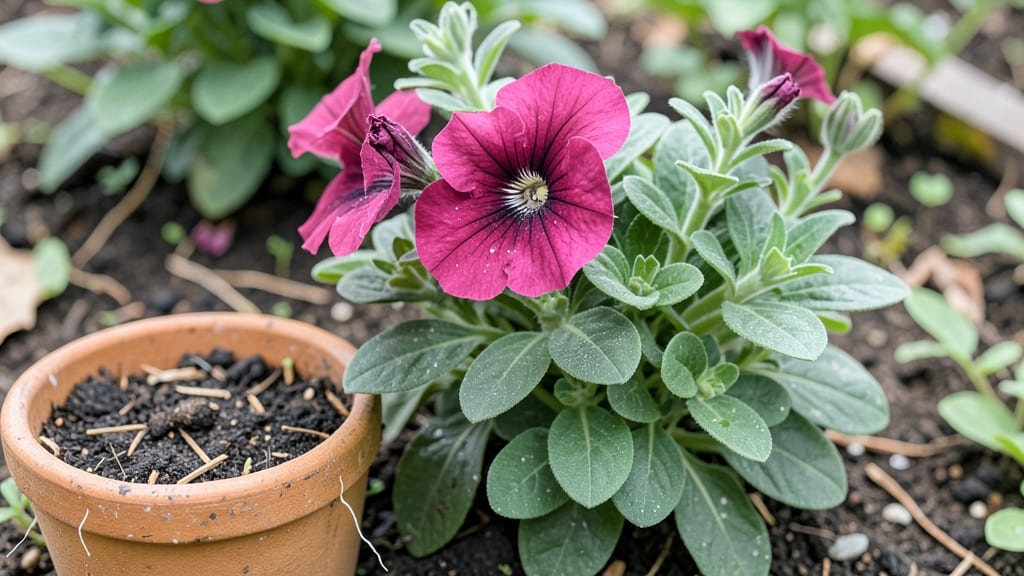
Petunias are not perennial plants in most climates, dying back to the ground after frost. However, they can overwinter in USDA Zones 10-12 or with winter protection in Zones 9-10, regrowing from their roots in spring. In colder regions, they must be replanted annually as tender annuals.
Petunias thrive as annuals in most gardens because their tropical origins make them extremely frost-sensitive. 🌱 Their delicate stems and leaves can't withstand temperatures below 32°F, which is why gardeners in Zones 5-8 typically treat them as seasonal plants. The good news?
Some varieties, like Petunia 'Wave' or 'Supertunia', are bred for slightly better cold tolerance, giving you a few extra weeks of blooms before winter sets in.
For those in milder climates, proper overwintering techniques—like digging up plants and storing them in cool, dark conditions—can turn petunias into repeat performers year after year.
What sets petunias apart from true perennials is their growth habit: they focus all their energy on vibrant blooms rather than building hardy root systems. 💫 This makes them perfect for summer color but requires more effort to preserve them long-term.
If you're in a colder zone, consider treating them like a prized annual—plant fresh starts each spring for the most reliable results.
💡 In This Article
- Why Petunias Die in Cold Climates
- How to Extend Petunia Blooms Beyond One Season
Why petunias die in cold climates
Petunias originate from South America's tropical regions, where temperatures rarely drop below 50°F. Their cells lack the protective mechanisms found in hardy perennials like lavender. When exposed to freezing temperatures (32°F or lower), their cell walls rupture due to ice crystal formation, a process called cytoplasmic dehydration.
This irreversible damage kills the plant's above-ground growth instantly. 🌡️
The key difference lies in their root systems. True perennials develop deep, fibrous roots that store starches and survive winter dormancy. Petunias, however, prioritize rapid top growth for blooms over root development. Their shallow roots contain minimal stored energy, making them vulnerable to cold snaps.
Studies show petunia roots can survive brief exposures to 28°F but only if protected by 3-4 inches of mulch.
USDA Zones 10-12 represent petunias' natural habitat range, where winter temperatures rarely fall below 40°F. Even in Zone 10, sudden cold snaps can damage plants, but their tropical adaptations allow partial recovery.
In contrast, Zone 5 gardeners face -15°F to -20°F winters—far beyond petunias' tolerance limits. This explains why they're classified as tender annuals in most regions. 🌍
Comparing petunias to cold-hardy perennials reveals their fundamental difference. Lavender, for example, produces woody stems that withstand -15°F through specialized compounds called antifreeze proteins. Petunias lack these biochemical defenses entirely.
Their entire biology is optimized for warm-season growth rather than winter survival. This is why gardeners in colder climates must replant annually—each generation starts fresh from seed.
What most gardeners don't realize is that petunias' frost sensitivity extends beyond just the leaves. Even their seedlings can be damaged by temperatures below 45°F, which is why many gardeners wait until after the last frost date to plant.
The plant's entire life cycle is geared toward exploiting the growing season rather than enduring winter conditions. This tropical adaptation explains why they produce such prolific blooms—they're investing all their energy in summer display rather than winter survival. 🌸
Understanding this biological limitation helps explain why petunias thrive as annuals in most gardens. Their inability to survive freezing temperatures isn't a flaw—it's an evolutionary adaptation to their native climate. For gardeners in colder zones, this means accepting petunias as seasonal plants that deliver maximum impact during their growing season.
The trade-off is what makes them such beloved summer favorites. ✨