
Flowers
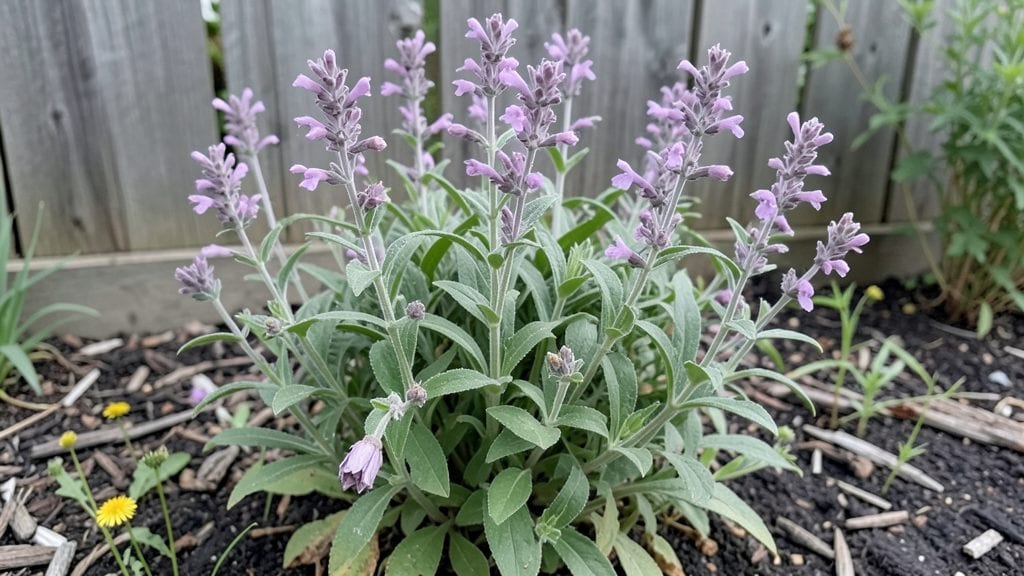
Growing a gooseneck perennial plant 🌿 transforms your garden into a low-maintenance masterpiece that thrives year-round.
Imagine a garden that thrives through winter’s chill with striking, arching foliage that demands no extra effort—just plant, admire, and repeat. These perennials blend resilience with dramatic visual impact, making them perfect for gardeners who want beauty without the fuss.
If you’re in USDA Zone 6a or higher, these plants are your secret weapon for spring color that starts as early as April and lasts through September. They handle full sun beautifully, need only medium watering once established, and even bounce back from winter’s freeze.
In this guide, I’ll walk you through everything from picking the right variety to planting, pruning, and keeping them flourishing for years—so you can enjoy that effortless, arching elegance without the guesswork.

5 Cold-hardy gooseneck perennial plants for year-round interest
When winter’s bite threatens to dull your garden’s charm, gooseneck perennials stand tall with their arching stems and textured foliage. These cold-hardy beauties thrive in USDA zones 3-8, offering year-round structure and seasonal color.
From lacy plumes to bold foliage, these plants create dramatic winter gardens with minimal effort. Their resilience makes them perfect for low-maintenance landscapes that stay stunning even when snowflakes fall.
What sets these gooseneck varieties apart is their unique growth habit—curved, neck-like stems that arch gracefully, adding movement and texture to winter beds. Many also feature evergreen or semi-evergreen leaves, ensuring your garden remains visually rich even in the coldest months.
Whether you’re designing a shade garden or a sunny border, these perennials deliver bold impact with zero fuss. Let’s explore the top 5 cold-hardy picks that will keep your garden thriving from fall to spring.
🌿
First up is Cimicifuga racemosa, or bugbane, a towering giant that reaches 4-6 feet with arching stems topped by fragrant white blooms. Thriving in USDA zones 3-8, it’s a shade-loving workhorse that provides late-summer drama and winter structure.
Its bold, vertical form makes it ideal for back-of-border planting, where it adds height and movement to your garden. Even after blooms fade, the sturdy stems remain decorative until spring.
Next, Physostegia virginiana, the obedient plant, earns its name with curved, neck-like flower spikes that hold their shape even when touched. This summer-to-fall bloomer thrives in zones 3-9 and loves full sun to part shade.
Its arching habit creates soft, flowing lines in the garden, while its purple-tinged stems add seasonal contrast. Plant it in masses for a wavy, rhythmic effect that dances in the breeze.
For bold foliage lovers, Persicaria polymorpha, or purple dragon, delivers vibrant purple-red leaves that glow against winter snow. This summer bloomer thrives in zones 4-9 and loves moist, well-drained soil. Its upright growth and dramatic color make it a standout in containers or borders.
Even in dormancy, its arching stems add textural interest to winter gardens. Pair it with evergreens for year-round contrast.
If you crave feathery texture, Astilbe chinensis is your answer. This Chinese astilbe produces delicate, plume-like blooms in pink, white, or red from mid to late summer. Thriving in
How to plant and care for gooseneck perennials in cold climates
Gooseneck perennials like Collinsonia canadensis and Physostegia virginiana thrive even in USDA zones 4-8, offering arching foliage and late-summer blooms. Their secret? A few key care steps tailored for cold climates. I’ve grown these tough beauties through sub-zero winters—here’s how to replicate their success in your garden.
These perennials need well-draining soil rich in organic matter to prevent root rot during freeze-thaw cycles. Amend heavy clay with compost or sand to improve drainage. They also prefer partial shade to full sun, depending on your climate—more sun in cooler regions, shade in hotter areas.
-
Step 1: Choose the Right Location
Select a spot with 6+ hours of sunlight (adjust for shade in hot climates). Ensure the area has good airflow to prevent fungal issues during humid winters.
-
Step 2: Prepare the Soil
Mix 2-3 inches of compost into the top 12 inches of soil. Test soil pH—aim for 6.0-7.0. For heavy soils, add perlite or coarse sand to improve drainage.
-
Step 3: Plant at the Right Time
Plant in early spring (after last frost) or early fall. Space plants 18-24 inches apart to allow for mature growth and airflow. Dig holes twice as wide as the root ball.
-
Step 4: Water Deeply and Consistently
Water 1-2 inches per week, focusing on the root zone. Use drip irrigation or soaker hoses to avoid wetting foliage, reducing disease risk. Mulch with 3 inches of straw or shredded leaves after planting.
-
Step 5: Fertilize Sparingly
Apply a balanced fertilizer (10-10-10) in early spring and mid-summer. Avoid high-nitrogen fertilizers, which promote leafy growth over flowers. Use 1 tablespoon per plant for mature specimens.
-
Step 6: Protect from Winter Chill
Add a 4-inch layer of mulch (straw or wood chips) in late fall to insulate roots. For extreme cold (below -10°F), wrap plants in burlap or use frost blankets until spring.
-
Step 7: Prune for Next Year’s Growth
Cut back dead foliage in early spring before new growth appears. Remove any damaged or diseased stems to encourage healthy regrowth. Avoid heavy pruning in fall, as it can stress the plant before winter.
Cold climates can actually enhance gooseneck perennials’ resilience. Their arching stems often hold snow beautifully, creating winter interest. Just ensure they’re not overwatered in fall, as soggy soil invites root rot before dormancy sets in.
If you notice yellowing leaves in spring, it may signal overwatering or poor drainage. Adjust your watering schedule and check soil moisture with your finger—only water when the top 2 inches are dry. For pests like spider mites, spray plants with neem oil in late summer.
With these steps, your gooseneck perennials will reward you with years of low-maintenance beauty, even when your neighbors’ gardens are tucked in for winter. Start small, and watch them flourish—your garden will thank you! 🌿