
Orchid Care
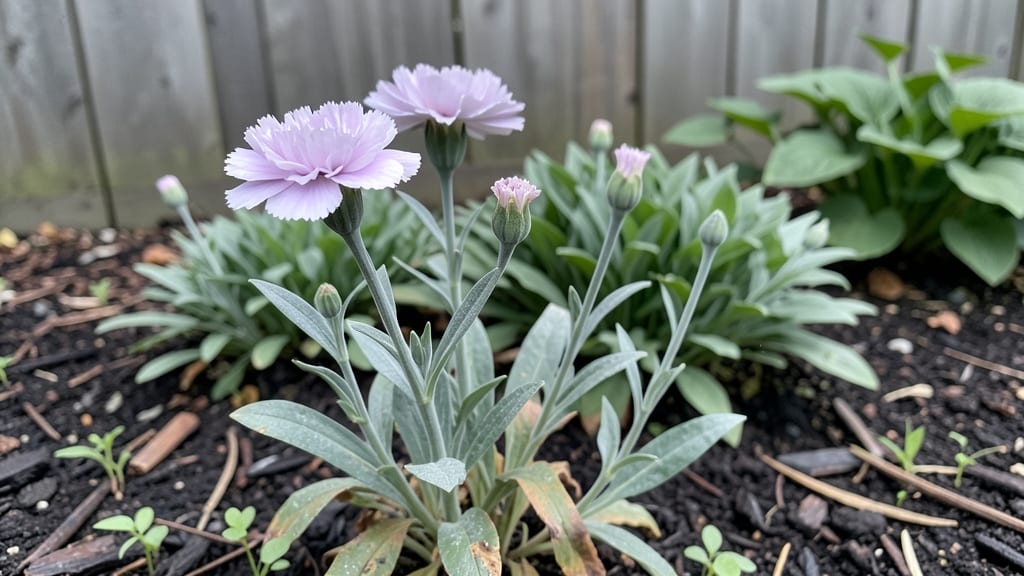
Whether carnations are annuals or perennials depends on your climate: they thrive as perennials in warm USDA Zones 8-11 but are typically grown as annuals in colder Zones 3-7 due to frost sensitivity. With proper winter care, they can survive and rebloom yearly.
Carnations act as perennials when winter temperatures stay above 20°F, allowing them to enter dormancy and regrow in spring. 🌱 In colder regions, frost kills the plants back to the ground, forcing gardeners to replant each year.
The key difference lies in their hardiness—some varieties like Dianthus barbatus handle chill better than classic Dianthus caryophyllus carnations. I’ve seen gardeners in Zone 6 extend their blooming season by using thick mulch or moving potted plants to sheltered spots.
For those in freezing climates, overwintering techniques like container protection or greenhouse placement can turn annuals into long-lived perennials. The trade-off? Extra effort during winter months. 💫 Whether you treat them as annuals or perennials, carnations reward patience with vibrant blooms year after year.
💡 In This Article
- Carnation Lifespan Factors by Climate Zone
- Extending Carnations as Perennials in Cold Climates
Carnation lifespan factors by climate Zone
The core difference between carnations as perennials or annuals comes down to their ability to survive winter dormancy. In USDA Zones 8-11, where winter lows rarely drop below 20°F, carnations naturally enter a dormant state—similar to how peonies or daylilies behave.
Their roots and crowns remain protected underground while above-ground growth halts, allowing them to regrow vigorously when temperatures rise in spring. This dormancy cycle is their built-in survival mechanism, triggered by shorter daylight hours and cooler temperatures.
In colder zones (3-7), the story changes dramatically. Carnations lack the hardiness to withstand prolonged exposure to 15°F or below—this threshold causes irreversible cell damage in their stems and leaves.
When frost hits, the plant's water content freezes and expands, rupturing cell walls like ice cracking a windshield. 🌡️ The damage isn't just cosmetic; it extends to the vascular system, preventing the plant from transporting nutrients even if temperatures later warm up.
This is why gardeners in Zone 5 often see their carnations die back to the ground, requiring complete replanting each spring.
The science behind this involves carnations' native Mediterranean habitat, where they evolved to thrive in mild winters with occasional frosts but not prolonged freezes. Their natural defense mechanisms—like thick, waxy leaves—help conserve moisture but don't provide insulation against sub-freezing temperatures.
What most people don't realize is that even a single hard freeze (28°F) can kill back carnations to the ground, while multiple light frosts (30-32°F) might only cause superficial damage.
Here's how the USDA zones break down in practice:
- Zones 8-11 (Perennial): Winter lows 20°F+ allow safe dormancy; plants may lose leaves but regrow from roots
- Zones 6-7 (Borderline): Occasional 15-19°F nights may kill tops but roots often survive with protection
- Zones 3-5 (Annual): Consistent 10-14°F winters kill entire plants; replanting required yearly
Temperature isn't the only factor—humidity plays a role too. In Zone 7, where winters might dip to 18°F, dry air can actually help carnations survive better than in damp climates where ice formation causes more damage.
This is why some gardeners in the Pacific Northwest (Zone 8) can grow carnations as perennials with minimal protection, while those in the Midwest (also Zone 8) may need extra insulation due to different winter moisture patterns.
What this means for gardeners is that location-specific microclimates matter more than the general zone designation. A sheltered spot against a south-facing wall might add 5-10°F of protection, turning an annual-growing zone into a perennial-friendly microclimate.
This is why you'll see carnations thriving as perennials in Zone 7 gardens near the coast but struggling in inland areas just a few miles away.