
Plants
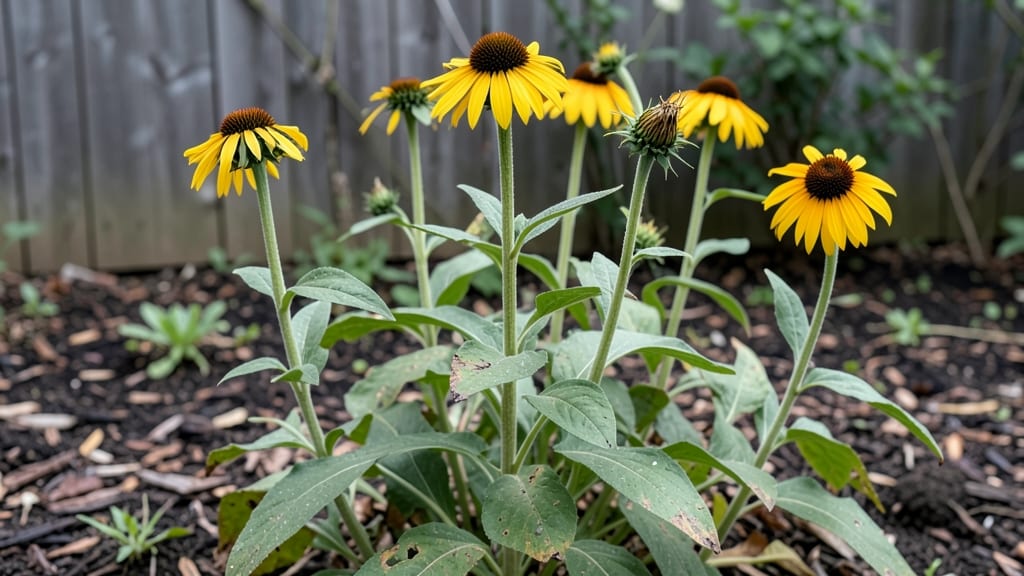
Rudbeckia fulgida perennials bring that effortless, sun-drenched charm to gardens while barely asking for water. 🌻 I’ve grown them for years, and they’ve become my go-to for low-maintenance color—dry spells? No problem. Deer munching? Hardly. Even my brown thumb can’t kill these.
The secret to their success is simple: they thrive in full sun, tolerate poor soil, and keep blooming from midsummer through frost. Plant them in well-draining soil, water occasionally, and watch them spread into cheerful golden-yellow clusters that hummingbirds adore.
They even hold their shape in winter, adding texture to bare beds.
You’ll get three seasons of interest: vibrant blooms, seed heads for winter structure, and foliage that stays green until frost. Prune back in early spring to encourage fresh growth, and divide clumps every few years to keep them vigorous.
The best part? They pair perfectly with coneflowers, black-eyed Susans, and ornamental grasses.
Perfect for borders, meadow-style gardens, or even containers on sunny patios. Let’s get yours growing—your garden will thank you for years.
📚 In This Guide
- What you need
- Instructions
- Tips and common mistakes
- Wrapping up and next steps
What you need
- ● Rudbeckia fulgida plants: 3–5 nursery-grown plants (choose varieties like 'Goldsturm' or 'Little Goldstar' for best results).
- ● Well-draining soil: Amend heavy clay with 2–3 inches of compost or organic matter (e.g., leaf mold or aged manure).
- ● Mulch: 2–3 inches of organic mulch (e.g., shredded bark, straw, or pine needles) to retain moisture and suppress weeds.
- ● Watering can or hose: With a gentle spray nozzle for even watering.
- ● Garden gloves: To protect your hands while handling soil or plants.
- ● Pruning shears: Bypass pruners (sharp, clean, and sanitized) for trimming dead blooms or stems.
- ● Garden trowel: For digging holes (6" deep and twice as wide as the root ball).
- ● Stakes or plant labels: To mark varieties and planting locations.
- ● Slow-release fertilizer: Balanced 10-10-10 or organic options (e.g., bone meal or compost tea) for nutrient boosts.
- ○ Drip irrigation system: (Optional but highly recommended for drought-prone areas—set to water 1–2 times per week once established.)
- ● Sunlight meter or app: To confirm your planting spot gets 6+ hours of full sun daily.
Step-by-step guide for planting and cultivating rudbeckia fulgida
Here's how to establish these sun-loving perennials for long-term beauty with minimal fuss.
🌱 Step 1: Select and Prepare the Planting Site
Rudbeckia fulgida thrives in full sun to partial shade—choose a location receiving at least 6 hours of sunlight daily. These perennials tolerate poor, dry soil but perform best in well-draining, slightly acidic soil with a pH between 6.0 and 7.0. If your soil is heavy clay, amend it with 2-3 inches of compost mixed into the top 12 inches of soil before planting.
Here's the thing—these plants hate soggy roots. If your site has poor drainage, consider planting on a slight mound or in raised beds. The goal is to keep water moving through the soil rather than pooling around the roots. Test your soil's moisture by digging down 6 inches after a rain—if water lingers for more than a day, drainage needs improvement.
🪴 Step 2: Plant Bare-Root or Container-Grown Starts
For bare-root plants, soak the roots in lukewarm water for 1 hour before planting to rehydrate them. Dig a hole twice as wide as the root ball but only as deep as the top of the root crown—planting too deep suffocates the plant. Gently loosen the roots if they're circling tightly and position the plant so the crown sits just above soil level. This ensures proper airflow and prevents rot.
For container-grown plants, remove the plant from its pot and tease apart any roots that have spiraled around the container. Place it in the hole so the top of the root ball aligns with the surrounding soil line. The reason we don't bury the crown is that it's prone to rot in consistently moist conditions. Fill the hole with soil, pressing lightly to eliminate air pockets, and water deeply to settle everything.
☀️ Step 3: Water and Mulch for Establishment
Water the newly planted rudbeckia deeply right after planting—this encourages roots to grow downward rather than staying shallow. Aim for 1-1.5 gallons of water per plant during the first week, then taper to 1 gallon every 3-4 days until the plant shows signs of new growth. You'll know it's working when you see bright green leaves emerging within 2-3 weeks.
Spread 2-3 inches of mulch around the base of the plant, keeping it 3 inches away from the stem to prevent moisture buildup. I use shredded hardwood mulch because it breaks down slowly and improves soil structure over time. This layer conserves moisture, suppresses weeds, and protects roots from temperature swings—critical for drought-tolerant plants in hot climates.
✂️ Step 4: Maintain Through the Growing Season
Once established, rudbeckia fulgida requires very little water—these plants are built for resilience. Water only when the top 2 inches of soil feel dry to the touch, typically once every 7-10 days during dry spells. Overwatering leads to weak stems and fewer blooms, so let the soil dry between waterings. You'll see strong, upright stems and vibrant foliage as a sign you're on the right track.
Deadhead spent blooms in late summer to encourage a second flush of flowers. Simply pinch off the faded flower heads with your fingers or prune them back to the nearest leaf node. This prevents the plant from putting energy into seed production and redirects it toward more blooms. Avoid cutting into old wood—rudbeckia fulgida blooms on current season's growth, so prune lightly to maintain shape rather than drastically.
⏰ Step 5: Winter Care for Year-Round Performance
Rudbeckia fulgida is hardy in USDA zones 4-9, but young plants benefit from extra protection during their first winter. Apply a 3-inch layer of mulch around the base in late fall (after the first hard frost) to insulate roots. This helps the plant survive cold snaps and reduces heaving from freeze-thaw cycles. In zone 4 or colder, consider adding a lightweight row cover over the plant during extreme cold snaps.
In early spring, remove any dead foliage but leave the stems—this protects emerging buds from late frosts and provides some winter interest. New growth will appear as the soil warms to 50°F, signaling it's time to fertilize lightly with a balanced 10-10-10 formula at half-strength. This jumpstarts the plant's energy reserves for another season of vibrant blooms.
Tips & tricks for perfect rudbeckia fulgida planting and cultivation
A few strategic moves will help you transform your rudbeckia into a thriving, low-maintenance garden star.
Site Selection Secrets: While rudbeckia tolerates partial shade, I've found the 6 hours of direct sunlight makes all the difference for vibrant blooms. Test your spot by observing sunlight patterns for a week before planting—morning sun with afternoon shade often works best in hot climates. The slightly acidic soil preference (pH 6.0-7.0) is crucial; if your soil tests higher, mix in peat moss or sulfur to adjust before planting.
Root Preparation Game-Changer: That 1-hour soak for bare-root plants isn't just about hydration—it's about waking up dormant roots. I add a splash of seaweed extract to the water for extra growth hormones. For container-grown plants, gently scoring the root ball with a knife before planting encourages new root growth outward rather than circling.
Watering Wisdom: The 1-1.5 gallons per plant during the first week might seem excessive, but it's essential for establishing deep roots. I water in the early morning to prevent fungal issues from evening moisture. After that initial burst, let the soil dry between waterings—this drought tolerance is what makes rudbeckia so special once established.
Mulch Mastery: That 2-3 inch mulch layer isn't just for looks—it's a moisture regulator. I've seen plants thrive with mulch during heatwaves that would wilt other perennials. The key is keeping it 3 inches away from stems to prevent rot. For extra insulation in winter, double the mulch thickness (to 3 inches) after the first frost in colder zones.
Pro Tips for Rudbeckia Fulgida Perennials
- A few strategic moves will help you transform your rudbeckia into a thriving, low-maintenance garden star.
- Site Selection Secrets: While rudbeckia tolerates partial shade, I've found the 6 hours of direct sunlight makes all the difference for vibrant blooms.
- Root Preparation Game-Changer: That 1-hour soak for bare-root plants isn't just about hydration—it's about waking up dormant roots.
Frequently asked questions
Got questions about Rudbeckia fulgida? You’re not alone!
Here are the most common queries—and their easy answers—to help you grow these golden beauties with confidence.
How do I keep Rudbeckia fulgida blooming all season?
Deadhead spent blooms regularly to encourage more flowers! These perennials are low-maintenance, but trimming back faded heads in late summer can also boost fresh growth. Pro tip: Avoid cutting into old wood—focus on stems above the foliage.
When is the best time to plant Rudbeckia fulgida?
Plant in early spring or fall for the best results. Spring planting gives roots time to establish before summer heat, while fall planting avoids drought stress. Rudbeckia thrives in USDA zones 4–9, so aim for mild weather outside of extreme heat or frost.
How often should I water Rudbeckia fulgida?
These drought-tolerant stars need water only during dry spells—about 1 inch per week. Once established (after 1–2 years), they’ll survive on rainfall alone. Warning: Overwatering can cause root rot, so let soil dry between waterings.
What pests or diseases should I watch for?
Rudbeckia fulgida is generally pest-resistant, but keep an eye out for Japanese beetles, aphids, or powdery mildew in humid climates. Treat pests with neem oil or insecticidal soap, and improve airflow to prevent mildew. Pro tip: Healthy soil = happy plants!
Are there any great alternatives if I can’t grow Rudbeckia fulgida?
If your climate is too hot/dry or too cold, try Black-Eyed Susan (Rudbeckia hirta) for shorter seasons, or Coneflower (Echinacea) for similar drought tolerance. For shade-loving options, Shasta Daisy (Leucanthemum) or Helenium are great swaps!
Wrapping up and next steps
Rudbeckia fulgida perennials are the ultimate low-maintenance stars for sunny gardens, offering stunning golden blooms that thrive even in dry conditions. Their hardy nature and long-lasting beauty make them a dream addition for both novice and experienced gardeners.
Whether you're looking to boost pollinator-friendly spaces or add a pop of color with minimal effort, these sun-lovers deliver year after year!
Ready to transform your garden? Start by selecting your favorite variety—like 'Goldsturm' or 'Little Goldstar'—and plant them in well-draining soil. Then, sit back and enjoy the effortless elegance they bring to your outdoor space! 🌻✨