
Blooming
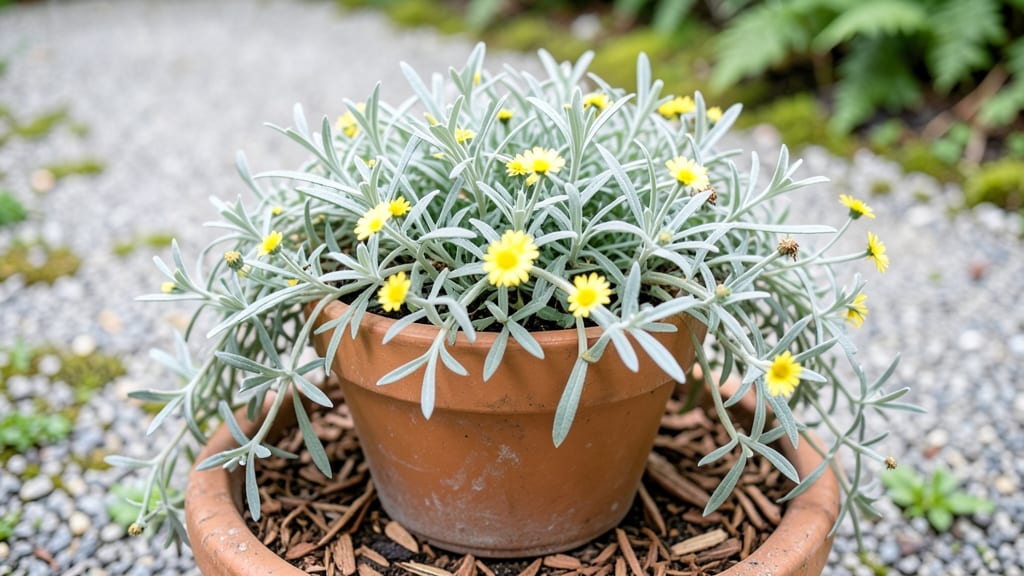
Perennial flowers that bloom all year thrive in tropical or Mediterranean climates, with hellebores, lobelias, and impatiens leading the list. In cooler zones, layering ever-blooming perennials with seasonal varieties extends color year-round.
Creating a garden with continuous blooms depends on matching plants to your climate's growing conditions. 🌿 In warmer regions (USDA zones 8-11), native perennials like canna lilies and plumbago naturally extend their flowering seasons, while cooler areas can achieve similar results by combining frost-tolerant varieties like heuchera with late-summer bloomers such as sedum.
The key is understanding your local frost dates and selecting plants that either bloom early, late, or have staggered flowering periods.
For example, helebores (Lenten roses) often bloom in early spring, while lobelia continues through fall, creating a seamless transition. Microclimates—like sunny south-facing walls or sheltered spots—can also push boundaries for heat-loving plants in cooler zones. Planning your garden layout with these factors in mind ensures vibrant color without gaps.
💡 In This Article
- Climate Zones for Year-Round Perennial Blooms
- Top Perennials for Nonstop Garden Color
Climate zones for year-round perennial blooms
The secret to perennial flowers blooming continuously lies in matching plants to their ideal temperature ranges, particularly focusing on USDA hardiness zones 8-11 where frost-free periods dominate.
These zones—spanning from the Deep South to coastal California—provide the 270-365 frost-free days that tropical and Mediterranean perennials crave. 🌡️ For instance, zone 10 (like Los Angeles) averages 300 frost-free days, while zone 8 (e.g., Atlanta) gets 180-240 days, allowing some ever-bloomers to thrive with careful selection.
Microclimates act as game-changers in cooler zones. A south-facing wall can add 5-10°F of warmth, letting you grow zone 9 plants (like salvia) in zone 7 areas. Similarly, sheltered garden nooks protect tender bloomers from late frosts.
The key metric is your last frost date—plants like impatiens need 12 weeks of warmth after frost risk, while helebores tolerate brief chills (28°F) in dormancy.
Frost-free periods directly correlate with bloom duration. In zone 11 (Hawaii, Miami), canna lilies flower continuously because they never experience temperatures below 30°F. Meanwhile, zone 5 gardeners must choose cold-hardy ever-bloomers like Russian sage (tolerates -30°F) or use container gardening to bring heat-lovers indoors during winter.
The science? Perennials enter dormancy when nights drop below 50°F—so extending warm seasons through microclimates or mulching keeps them blooming.
Light exposure matters just as much as temperature. Shade-tolerant perennials like heuchera (coral bells) thrive in zones 3-9 with partial shade, while sun-lovers such as plumbago need 6+ hours of direct light in zones 8-11.
The trade-off? Shade plants often bloom less prolifically in hot zones, while sun-lovers may need afternoon shade in zone 10's intense 95°F+ summers. 🌿
Here’s how to identify your zone’s potential:
- Zones 8-9: Try salvia, verbena, or portulaca—all tolerate 10-15°F dips
- Zones 10-11: Plant canna lilies or plumbago for year-round color
- Zones 4-7: Layer helebores (spring) with sedum (fall) for gaps
What most gardeners overlook is the 30-day rule: If your area has 30+ days above 70°F in winter, you can push zone limits with heat-loving perennials. For example, lobelia in zone 7 may bloom sporadically in summer but thrives in zone 8's consistent 60°F+ winters. 🌸
The ultimate takeaway? Year-round blooms require balancing hardiness zones, microclimates, and plant life cycles. Start by mapping your garden’s sun/shade patterns, then layer plants with staggered bloom times—like spring hellebores followed by summer impatiens and fall mums.
With this approach, even zone 5 gardens can achieve near-continuous color!