
Flowers
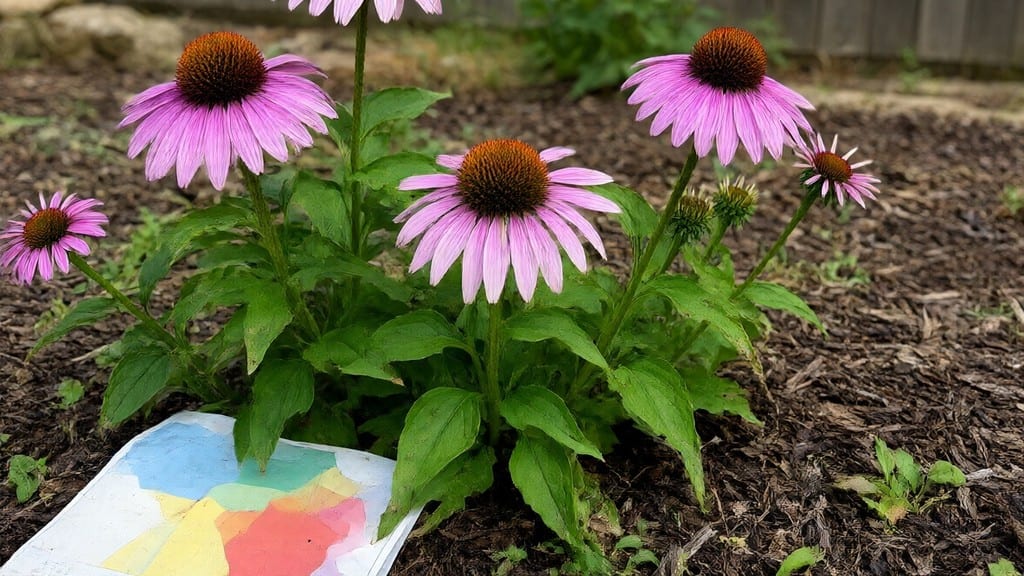
Understanding perennial flower zones means never again guessing which plants will thrive—and which will freeze or wilt—year after year. 🌿 I’ve learned the hard way that planting peonies in Zone 5 when they’re a Zone 4 staple leads to disappointment, but knowing your zone unlocks gardens that bloom reliably for decades.
The USDA divides the U.S. into 13 zones based on average winter lows, and perennials fall into categories that match these climates. Zone 3-6 gardeners can count on hardy stalwarts like coneflowers and black-eyed Susans, while Zones 7-10 thrive with drought-tolerant lavender and salvias.
Transition zones (like 6b/7a) require extra care—mulching deeper, choosing adaptable varieties, or protecting tender roots with burlap wraps.
Once you know your zone, the magic happens: perennials that return year after year with minimal fuss. Imagine cutting back dead foliage in early spring only to see vibrant new shoots pushing through soil still chilled from winter.
The key is matching plants to their natural ranges and adjusting care—like extra mulch in Zone 4 or consistent watering in Zone 9’s dry heat—to keep them flourishing.
This isn’t just about survival; it’s about creating a garden that feels like home, where every spring brings back familiar favorites. Let’s get your perennials planted with confidence, so you can enjoy the rewards for seasons to come.
📚 In This Guide
- What you need
- Instructions
- Tips and common mistakes
- Wrapping up and next steps
What you need
- ● Perennial flowers: Choose plants suited to your USDA Hardiness Zone (e.g., coneflowers, black-eyed Susans, daylilies, or hostas). Aim for 3–5 varieties to ensure year-round color.
- ● Soil amendments: Compost (2–3 cubic yards for a 10’x10’ bed)
- ● Organic matter (e.g., peat moss or coconut coir, 1–2 bags)
- ● Mulch: Shredded bark or straw (2–3 bags to retain moisture and suppress weeds).
- ● Tools: Garden trowel (1)
- ● Pruning shears (1 pair)
- ● Garden fork (1 for aerating soil)
- ● Wheelbarrow or bucket (1 for mixing amendments)
- ● Watering supplies: Hose with adjustable nozzle (1)
- ○ Drip irrigation kit (optional but recommended for efficiency)
- ● Planting supplies: Garden gloves (1 pair)
- ● Measuring tape (1 for spacing)
- ● Soil test kit: Check pH and nutrient levels (💡 Pro tip: Most perennials thrive in 6.0–7.0 pH!)
- ● Slow-release fertilizer: (e.g., 10-10-10 or organic options like bone meal).
- ● Edging materials: Landscape fabric or bricks to define beds neatly.
- ● Plant markers: Stakes or labels to track varieties (especially useful for newbies!).
- ● Seasonal care tools: Leaf blower (for fall cleanup)
- ● Winter mulch (extra straw or leaves for cold zones)
How to plan perennial flowers for your climate Zone
Here’s how I match plants to zones for blooms that come back stronger every year.
🌱 Step 1: Determine Your USDA Hardiness Zone
Find your zone using the USDA Hardiness Zone Map—just enter your ZIP code. Each zone represents a 10°F difference in average winter lows, so this is your starting point for selecting perennials that thrive where you live. For example, Zone 5 (where I garden) handles winters down to -20°F, while Zone 9 (warmer climates) stays above 20°F.
I always double-check my zone because some microclimates (like urban heat islands or hilltops) can shift your effective zone by 1-2 numbers. If you’re unsure, observe your yard: do roses survive winter? Are there ever frost pockets? That’ll help refine your zone.
🪴 Step 2: Select Perennials Rated for Your Zone
Choose perennials labeled for your zone or one zone warmer—they’ll handle your winters without struggling. For instance, Coneflowers (Echinacea) thrive in Zones 3-8, while Black-Eyed Susans (Rudbeckia) do well in Zones 3-9. I avoid pushing limits (like planting Zone 7 peonies in Zone 5) unless I’m willing to mulch heavily or provide winter protection.
Look for tags like "hardy to Zone X" on plant labels or in catalogs. If you’re mixing zones, group tender perennials together near the house or in containers you can move indoors in winter. This keeps your garden looking vibrant year-round without guesswork.
☀️ Step 3: Group Plants by Sun and Soil Needs
Once you’ve picked zone-appropriate perennials, group them by sunlight requirements. Full sun lovers (like Daylilies) need 6+ hours of direct light, while shade-tolerant perennials (like Astilbes) thrive in 2-4 hours. I sketch a simple layout first—this prevents overcrowding and ensures every plant gets the right conditions.
Soil matters just as much as zone. Amend heavy clay or sandy soil with 2-3 inches of compost before planting. I test my soil’s pH (most perennials prefer 6.0-7.0) and adjust with lime or sulfur if needed. The goal is to give each plant its ideal growing conditions from day one.
⏰ Step 4: Plant at the Right Time for Establishment
Fall is ideal for planting perennials in Zones 3-7—they establish roots before winter and bloom earlier the next year. In Zones 8-10, plant in late winter or early spring to avoid summer heat stress. Dig holes twice as wide as the root ball but only as deep as the plant’s original soil line.
Water deeply after planting to settle the soil and remove the plant tags—they’ll rot if left in the ground. Mulch with 2-3 inches of shredded bark or straw to retain moisture and protect roots. I always water again in 7-10 days to encourage root growth into the surrounding soil.
💧 Step 5: Maintain Through Seasons for Longevity
Perennials need 1 inch of water weekly (more in drought or heatwaves). I water at the base in the morning to reduce evaporation and fungal risks. Deadhead spent blooms to encourage more flowers and prevent self-seeding (unless you want it).
Divide clumps every 3-5 years when growth slows—spring or fall are best. I use a sharp spade to lift the plant, separate the roots, and replant sections. This rejuvenates perennials and keeps them blooming strongly. With the right zone matches, your garden will reward you with years of effortless color.
Tips & tricks for perfect perennial flower zones
Here's what I learned after years of trial and error to keep your perennials thriving season after season.
Zone Verification: Don't rely solely on the USDA map—your actual microclimate might differ by 1-2 zones. Check for frost pockets in low areas or heat islands near pavement. I test my zone by observing which perennials naturally survive winter in my yard. For example, if your Zone 6 peonies survive -10°F winters, you might actually be closer to Zone 5.
Soil Preparation Strategy: Before planting, take a soil sample to your local extension office for a pH test. Most perennials prefer 6.0-7.0 pH, but some like blueberries (4.5-5.5) or lavender (6.5-7.5) need adjustments. I always amend my heavy clay soil with 2-3 inches of compost mixed into the top 12 inches of soil before planting. This creates ideal conditions right from the start.
Planting Timing Secret: In Zones 3-7, fall planting gives roots time to establish before winter—aim for 6-8 weeks before first frost. In warmer Zones 8-10, plant in late winter to avoid summer heat stress. I mark my calendar with the first expected frost date from the USDA map to plan my fall planting window perfectly.
Winter Protection: For borderline perennials (like Zone 7 plants in Zone 6), create a mulch volcano around the base—pile 6-8 inches of straw or leaves over the root zone. This adds 5-10°F of protection during cold snaps. I also group tender perennials near south-facing walls where winter sun provides extra warmth.
Pro Tips for Perennial Flower Zones
- Here's what I learned after years of trial and error to keep your perennials thriving season after season.
- Zone Verification: Don't rely solely on the USDA map—your actual microclimate might differ by 1-2 zones.
- Soil Preparation Strategy: Before planting, take a soil sample to your local extension office for a pH test.
Frequently asked questions
Got questions about perennial flower zones? You’re not alone! Here are some of the most common concerns—plus straightforward answers to help you plant with confidence.
What if my garden is in a transition zone (like 5b/6a)?
Transition zones can be tricky, but don’t stress! Opt for hardy perennials like coneflowers, black-eyed Susans, or daylilies, which thrive in borderline conditions. For extra insurance, choose varieties labeled for one zone lower (e.g., Zone 5 plants in Zone 6). Mulching and microclimates (like sunny spots) also help.
When’s the best time to plant perennials based on my zone?
Generally, plant in early spring or fall—when soil is workable but not frozen. Cooler zones (3–5) favor spring planting to avoid winter stress, while warmer zones (6–9) can handle fall or early spring. Avoid extreme heat or cold; roots need time to establish before harsh weather hits.
Can I grow perennials outside their recommended zone?
Yes, but with caution! Use season extenders like row covers in winter or shade cloth in summer to protect delicate perennials. Containers also offer flexibility—move them indoors or to sheltered spots during extreme temps. Just research the plant’s tolerance limits (e.g., Russian sage handles Zone 4–9 with ease).
Why did my perennial die even though it’s in the right zone?
Zone compatibility isn’t the only factor! Check for poor drainage (root rot), over/under-watering, or pests/diseases (like powdery mildew). Soil pH matters too—test it! If the plant was young, it might not have established roots before a sudden frost or heatwave. Next time, monitor weather alerts and mulch heavily.
Are there low-maintenance perennials for beginners?
Start with self-seeding varieties like coreopsis, yarrow, or catmint, which spread easily and bounce back yearly. Lavender and sedum are drought-tolerant and pest-resistant. For shade lovers, try hostas or astilbes—they’re forgiving and thrive with minimal fuss. Aim for 3–5 perennials max to keep care simple!
Wrapping up and next steps
Choosing the right perennial flower zones for your garden is the secret to vibrant, low-maintenance blooms that thrive year after year! 🌸 By matching plants to your climate, you’ll enjoy effortless beauty while supporting local ecosystems.
Whether you’re a seasoned gardener or just starting, this guide gives you the confidence to plant with purpose.
Ready to transform your outdoor space? Start small—pick one hardy perennial for your zone, observe its success, and expand your garden with bold, climate-smart choices. Happy planting! 🌱