
Flowers
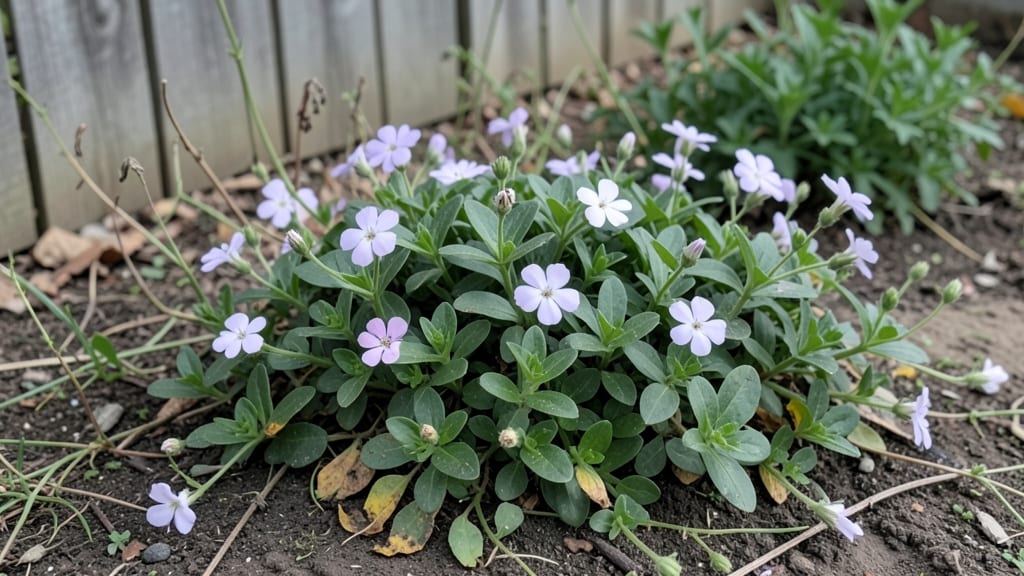
Vinca flowers thrive as perennials with their glossy green leaves and cheerful blooms that spread effortlessly. 🌿 I’ve used them to fill gaps in my shady borders, and they’ve never let me down—just plant them and forget about them.
The key is choosing the right spot where they can spread their magic without competing with thirstier plants.
These plants love well-draining soil but won’t fuss if it’s a bit sandy or rocky—just avoid heavy clay that stays soggy. Full sun to partial shade suits them best, and once established, they handle drought like a champ.
You’ll see those dark green leaves and purple or white flowers spreading within a season, making them perfect for ground cover that stays lush all year.
Pruning is optional but keeps them tidy—just snip back leggy stems in early spring if they look crowded. They self-seed minimally, so you might find new plants popping up nearby. The real win? No major pests or diseases bother them, and deer usually leave them alone too.
For colder climates, treat vinca as an annual unless you’re in Zones 8-11, where it returns reliably each year. Even in cooler areas, you can overwinter potted vinca indoors and replant next spring. Their versatility makes them a no-brainer for any garden—just plant, admire, and enjoy the effortless spread.
📚 In This Guide
- What you need
- Instructions
- Tips and common mistakes
- Wrapping up and next steps
What you need
- ● Vinca plants (Periwinkle or Greater Periwinkle): 3–5 plants per 10 sq. ft. (choose Vinca minor or Vinca major based on your climate zone).
- ● Well-draining potting mix: 1–2 bags (50 lb. each) for planting or amending garden soil.
- ○ Compost or organic matter: 1–2 bags (optional but recommended for nutrient-rich soil).
- ○ Mulch (optional): 1–2 bags of shredded bark or pine needles to retain moisture and suppress weeds.
- ● Garden trowel or spade: For digging and transplanting.
- ● Garden gloves: To protect your hands from thorns (if using Vinca major).
- ● Watering can or hose with a gentle spray nozzle: Vincas prefer consistent moisture but hate soggy roots.
- ○ Pruning shears: For shaping and maintaining growth (optional but helpful).
- ● Measuring tape or string: To mark planting areas for even spacing.
- ● A sunny to partially shaded location (6+ hours of sun for best blooms).
- ● Soil with good drainage (vincas hate "wet feet").
- ● Patience! Vincas spread slowly but steadily—give them 1–2 years to fill in.
How to plant and maintain vinca flower perennials for year-round beauty
Here's the simple approach I use to keep vinca spreading effortlessly while staying vibrant all season.
🌱 Step 1: Choose the Perfect Planting Location
Vinca thrives in full sun to partial shade, making it perfect for sunny borders or shady spots under trees. I always test the soil first—vinca prefers well-draining soil with a pH of 6.0-7.5. If your soil is heavy clay, mix in 2-3 inches of compost before planting to improve drainage.
Here's the thing—vinca spreads aggressively, so plant it where you want it to stay. A 4-foot-wide strip along a walkway or a 6-foot square in a garden bed gives it room to establish without taking over. Mark the area with stakes to visualize the spread before digging.
🪴 Step 2: Plant Vinca Correctly for Fast Establishment
Dig holes twice as wide as the root ball but only as deep as the container. Vinca roots are shallow, so planting too deep suffocates them. Gently remove the plant from its container and tease the roots apart if they're circling—this encourages outward growth instead of root-bound stress.
Place the plant in the hole and backfill with soil, pressing lightly to remove air pockets. Water deeply right after planting to settle the soil and eliminate gaps. You'll see the first true leaves emerge within 7-10 days—that's your signal the roots are taking hold.
☀️ Step 3: Water and Feed for Year-Round Vibrancy
Vinca is drought-tolerant once established, but new plants need 1 inch of water per week for the first 4-6 weeks. Water at the base, avoiding the leaves to prevent fungal diseases. After that, you can reduce watering to once every 2 weeks unless your area has extreme heat.
Feed vinca once in early spring with a balanced 10-10-10 fertilizer—this jumpstarts growth without encouraging too much leafy foliage. I skip fall fertilization because vinca stores energy in its roots over winter. If your soil is poor, a light top-dressing of compost in spring keeps it thriving.
✂️ Step 4: Prune and Maintain for Neat, Full Growth
Prune vinca twice a year—once in early spring to shape the plant and again in late summer to encourage bushier growth. Cut back any leggy stems by one-third to promote denser foliage. I always use clean, sharp shears to avoid tearing the leaves.
Watch for yellowing leaves—this usually means too much water or poor drainage. Vinca also benefits from a light trim after flowering to keep it tidy. Deadhead spent blooms if you want more flowers, though vinca often reblooms naturally without intervention.
Tips & tricks for perfect vinca flower perennial planting
Took me a while to figure out how to keep vinca looking vibrant without it taking over—here's what actually works.
Soil Prep Matters: Before planting, I always mix in 2-3 inches of compost for heavy clay soil to improve drainage. Vinca hates soggy roots, so if your soil feels compacted when you squeeze a handful, add more organic matter. For sandy soil, a thin layer of compost is enough to retain moisture without suffocating roots.
Root Handling Technique: When you remove vinca from its container, gently tease apart any circling roots—this prevents root-bound stress and encourages outward growth. I use my fingers to separate them carefully, almost like unraveling a ball of yarn. This step makes all the difference for fast establishment.
Watering Wisdom: The 1 inch per week guideline for new plants is perfect, but I've learned to check the soil first. Stick your finger about an inch deep—if it's dry, water; if it's still moist, wait. Overwatering is the #1 reason vinca yellows and struggles, especially in cooler months.
Pruning Pro Tip: When you prune those leggy stems by one-third, cut just above a leaf node where new growth will emerge. I always sterilize my shears with rubbing alcohol between cuts to prevent spreading diseases. This keeps your vinca dense and healthy-looking year after year.
Pro Tips for Vinca Flower Perennial
- Took me a while to figure out how to keep vinca looking vibrant without it taking over—here's what actually works.
- Soil Prep Matters: Before planting, I always mix in 2-3 inches of compost for heavy clay soil to improve drainage.
- Root Handling Technique: When you remove vinca from its container, gently tease apart any circling roots—this prevents root-bound stress and encourages outward growth.
Frequently asked questions
Got questions about keeping your vinca flower perennial thriving? You’re not alone! Here are some of the most common queries—plus straightforward answers to help you garden with confidence.
How fast does vinca flower perennial spread?
Vinca spreads at a moderate pace—about 12 inches per year under ideal conditions. With its creeping habit, it fills gaps quickly but won’t overwhelm your garden. Prune back overgrowth in early spring to keep it tidy and encourage denser foliage. Pro tip: Space plants 12–18 inches apart for balanced spread.
When is the best time to plant vinca flower perennials?
Plant vinca in early spring or fall for the best root establishment. Avoid extreme heat or frost—both can stress young plants. If planting in summer, water deeply daily for the first 2 weeks to help it acclimate. Bonus: Fall planting often leads to faster spring blooms!
Why isn’t my vinca flowering?
Vinca flowers less reliably than annuals, but poor blooms often stem from over-fertilization (especially with high nitrogen) or shade. Move it to partial sun (4–6 hours/day) and use a balanced, low-nitrogen fertilizer in early spring. Deadhead spent blooms to encourage new flowers—but don’t expect a nonstop show!
Are vinca flowers deer- or rabbit-resistant?
Yes! Vinca is highly resistant to deer, rabbits, and most pests thanks to its milky sap. However, slugs and snails may nibble on young leaves. Set out beer traps or copper barriers if you spot these slimy culprits. Good news: Once established, vinca is practically pest-proof!
Can I grow vinca in containers?
Vinca thrives in containers with well-draining soil and a depth of at least 6 inches. Choose a pot with drainage holes and pair it with companion plants like sedum or heuchera for a layered look. Water regularly in containers—they dry out faster than ground beds. Watch for: Root-bound plants may need repotting every 2–3 years.
Wrapping up and next steps
Ready to transform your garden into a lush, low-maintenance paradise? The vinca flower perennial is your secret weapon—offering vibrant color, year-round ground cover, and effortless growth. Whether you're a seasoned gardener or just starting out, its resilience and beauty make it a must-have for any outdoor space. 🌿
Now that you’re armed with all the tips and tricks, take the next step—pick a sunny spot, grab your vinca plants, and let nature do the rest! Your garden will thank you with months of stunning, hassle-free blooms. Happy planting! 🌸