
Shrubs
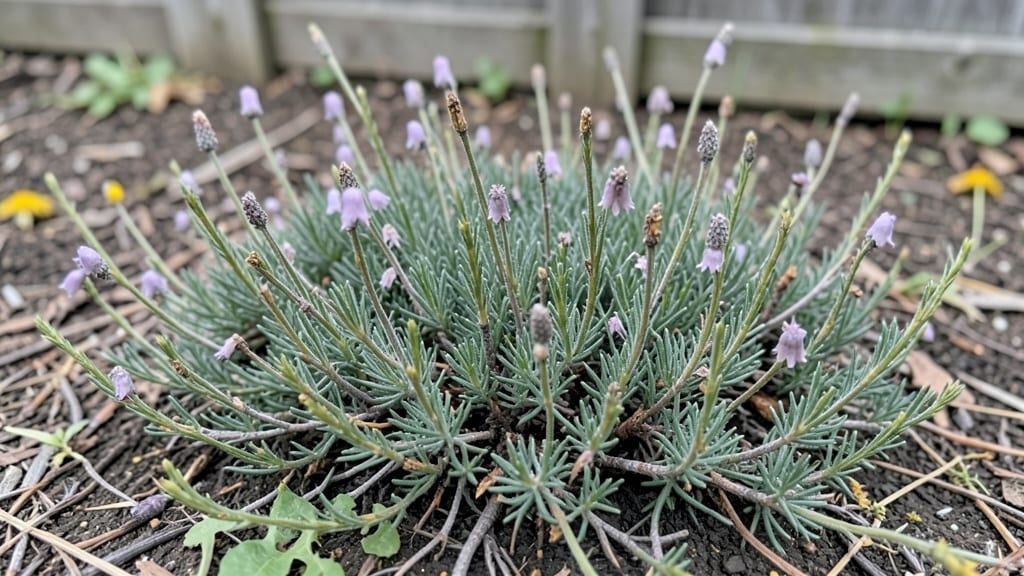
The calluna heather perennial thrives as a hardy, evergreen shrub with vibrant blooms, offering year-round interest in gardens. It prefers acidic soil, full sun to partial shade, and minimal pruning, making it ideal for borders, rockeries, or ground cover with minimal maintenance.
The calluna heather's secret to success lies in its adaptability and resilience. 🌿 Unlike many ornamental shrubs, it thrives in poor, well-draining soils and tolerates drought once established, making it perfect for rocky or sandy landscapes.
Its compact, mounding habit (typically 1-3 feet tall) allows for creative garden designs, while its late-summer-to-winter blooms provide continuous color when many other plants have faded. I've found that grouping different varieties together creates a cascading effect of color, from deep pinks to soft whites, throughout the colder months.
💡 In This Article
- Understanding Calluna Heather Growth Habits
- Planting and Pruning Calluna Heather for Optimal Blooms
Understanding calluna heather growth habits
Calluna heather grows at a deliberate, measured pace—typically expanding just 6-12 inches per year—which explains why mature plants can take 3-5 years to reach their full 1-3 foot height. This slow growth is an evolutionary adaptation to conserve energy in nutrient-poor environments, where rapid expansion would deplete limited resources.
The plant's needle-like foliage, covered in tiny waxy scales, acts like a protective armor against harsh winds and freezing temperatures, allowing it to retain its vibrant green or bronze hues even in winter when other plants fade.
The compact, mounding growth habit results from its woody stems that spread outward in a dense, bushy pattern. Unlike many shrubs that grow upward, calluna heather's horizontal branching creates a natural ground cover effect, perfect for filling gaps between stepping stones or cascading over rocky edges.
What's fascinating is how its foliage texture changes with age—young shoots are soft and velvety, while older stems develop a slightly rougher, more leathery surface that adds visual contrast in the garden.
Flowering occurs in a staggered cycle that begins in late summer and can extend into winter, depending on the variety. The blooms emerge from the leaf axils in clusters, with each tiny flower lasting just 2-3 weeks before giving way to new ones.
This sequential blooming ensures continuous color from August through December, when most gardens are otherwise dormant. The flowers' tubular shape attracts pollinators like bees and hummingbirds, while their subtle fragrance adds an understated charm to garden borders.
The root system is equally remarkable—calluna heather develops a shallow, fibrous network that spreads horizontally rather than growing deep. This adaptation allows it to thrive in poor, sandy, or rocky soils where water retention is minimal.
The roots also produce beneficial mycorrhizal associations with fungi, which help break down organic matter and improve soil structure in nutrient-deficient areas. This symbiotic relationship explains why calluna heather often revitalizes depleted garden soils over time.
What most gardeners don't realize is how the plant's growth pattern changes with age. Young plants focus energy on establishing roots, while mature specimens prioritize flowering and foliage production. This shift means that first-year plants may appear sparse, but by year three, they develop their characteristic dense, bushy form.
The key to maintaining this structure is understanding that calluna heather responds poorly to heavy pruning—it's better to shape it lightly after flowering rather than cutting back hard, which can stimulate unsightly leggy growth.
Consider these growth characteristics when planning your garden layout:
- Spacing: Plant 12-18 inches apart for ground cover or 2-3 feet apart for borders
- Layering: Combine with erica (heath) varieties for staggered blooming seasons
- Soil depth: Roots need only 6-8 inches of topsoil to thrive
- Winter interest: Bronze foliage varieties like 'Firefly' add color when flowers fade
The plant's ability to thrive in USDA zones 4-7 (and even some zone 3 varieties) makes it one of the most resilient evergreens for cold climates.
What's particularly impressive is how it maintains its color even after heavy snowfall—those tiny waxy leaves repel moisture, preventing the brown, mushy appearance that plagues many evergreens during winter.