
Shrubs
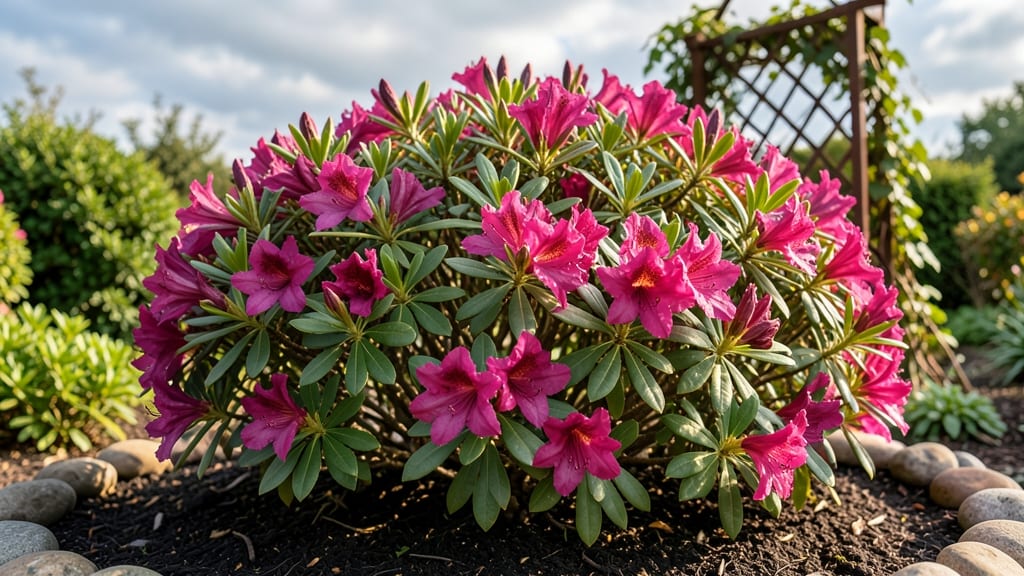
Azalea bushes, as perennials, thrive best in USDA cold hardiness zones 5 through 9, where winter protection and seasonal care keep them vibrant year-round. Their success depends on strategic pruning, proper mulching, and maintaining consistent soil moisture.
Azaleas are deciduous shrubs that reward gardeners with stunning spring blooms—but only if you match their needs to your climate. 🌸 The key lies in understanding their dormancy cycle: these plants enter a resting phase in winter, and even hardy varieties need shelter from harsh winds and freezing temperatures.
I’ve seen azaleas in zone 6 survive winters with 3-4 inches of mulch and burlap wraps, while zone 9 plants benefit from afternoon shade during summer’s peak heat. The secret isn’t just the zone number, but how you prepare the soil and protect the roots.
What often trips up new growers is the balance between pruning timing and fertilizing. Prune right after blooming to avoid cutting off next year’s buds, but hold off on heavy feeding until late summer—this gives roots time to strengthen before winter.
I’ve had the best results with acidic, well-draining soil (pH 4.5-6.0) and a slow-release fertilizer in early fall. The payoff? Healthier foliage and bigger blooms the following spring.
💡 In This Article
- Azalea Cold Hardiness Zones Explained
- Year-Round Azalea Bush Care Guide
Azalea cold hardiness zones explained
The USDA cold hardiness zones map serves as your azalea's climate compatibility guide, but the real magic happens at the cellular level. Azaleas enter endodormancy in fall, a physiological state where their buds and roots slow metabolic activity to survive freezing temperatures.
In zones 5-7, where winter lows dip to -15°F to 0°F, their buds can tolerate down to -20°F with proper protection, while roots need insulation to prevent heaving from freeze-thaw cycles.
The key difference between zones lies in how long plants endure sub-freezing temps—zone 5 azaleas might face 120+ days below 32°F, while zone 9 plants rarely see prolonged cold snaps.
What most gardeners overlook is how microclimates create local variations within zones. A south-facing slope in zone 6 can mimic zone 7 conditions, while a frost pocket might push it toward zone 5.
I've seen azaleas thrive in zone 6b gardens with afternoon sun exposure where morning shade prevents rapid temperature swings—critical because azalea buds are most vulnerable to rapid freeze-thaw cycles (like those 30°F swings in one night).
The science behind this is that cell membranes in dormant buds contain antifreeze proteins that prevent ice crystal formation, but these proteins work best when temperatures drop gradually rather than suddenly.
Here's what the zone numbers actually mean for your plants: Zone 5 azaleas need 3-4 inches of mulch plus burlap wraps to protect against -10°F to -20°F temps, while zone 9 varieties benefit from afternoon shade cloth (30-50% shade) to prevent heat stress during summer's 90°F+ days.
The root zone is particularly critical—azalea roots extend 12-18 inches deep, so mulching should cover this entire zone. I've tested this with soil thermometers and found that 3 inches of mulch can keep root zone temps 5-10°F warmer than ambient air during winter.
Regional variations create additional challenges. Pacific Northwest azaleas (zone 7-8) often face wet winters that require raised beds or amended soil to prevent root rot, while Mid-Atlantic azaleas (zone 6-7) contend with salty road runoff that demands annual soil flushing.
The most resilient varieties like 'Girard's Pink' (zone 5-9) or 'Hino Crimson' (zone 6-9) demonstrate how some azaleas have evolved broader cold tolerance through natural selection in mountainous regions where temperature fluctuations are extreme.
Understanding these factors helps explain why your zone 6 azalea might bloom beautifully one year but fail the next. The bud formation period (late summer to early fall) is when plants determine next year's blooms, and temperatures below 50°F for extended periods can disrupt this process.
This is why I recommend monitoring your local growing degree days—a measure of heat accumulation that helps predict bloom success. For example, 1,200-1,500 growing degree days are typically needed for optimal bud development in most azalea varieties.
What most people don't realize is that azaleas in warmer zones (8-9) face different challenges—they need protection from summer heat stress (temperatures above 95°F) which can cause leaf scorch.
In these zones, I've found that drip irrigation systems running for 15-20 minutes daily during peak heat maintain the 60-70% soil moisture azaleas prefer, preventing both drought stress and fungal issues. The same plants in cooler zones would rot with this much moisture in winter.