
Mower
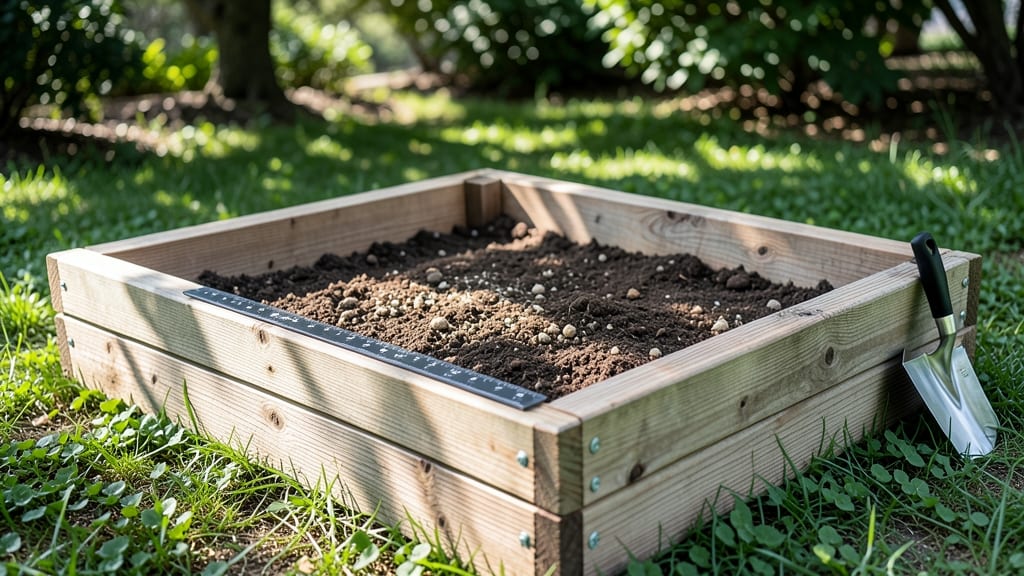
The typical raised bed size of 4 feet wide by 8 feet long maximizes gardening efficiency by allowing easy center access, deeper soil layers, and optimal space utilization for most plants.
This standard dimension isn't arbitrary—it's designed for ergonomic reach, ensuring you can comfortably tend to plants without stepping inside. The 4-foot width prevents soil drying at the center while keeping weeds manageable, while the 8-foot length balances heat distribution and crop yield potential.
For taller plants like tomatoes or trellised cucumbers, you might expand the length, but the width rarely exceeds 4 feet to maintain accessibility. 🌱
Adjustments become necessary when working with limited spaces or specific plant needs. For instance, herb gardens often thrive in narrower 2x4-foot beds, while intensive planting might require square 4x4-foot designs.
Urban gardeners frequently opt for multi-level systems to maximize vertical space without sacrificing the 4-foot width rule. The key is always balancing your physical comfort with the plants' requirements.
💡 In This Article
- Why Standard 4x8 Raised Beds Outperform Other Sizes
- When to Customize Raised Bed Dimensions for Your Garden
Why standard 4x8 raised beds outperform other sizes
The 4-foot width of a standard raised bed is a carefully calculated compromise between soil science and human ergonomics. When you build a bed wider than 4 feet, the center soil takes significantly longer to warm in spring and stays cooler in summer.
This happens because sunlight can't penetrate deeply enough to heat the core—studies show the center of a 5-foot-wide bed can remain 5-10°F cooler than the edges, creating uneven growing conditions.
The 4-foot width ensures consistent moisture and temperature throughout, which is critical for root development and microbial activity in the soil.
Ergonomically, this dimension lets you reach every corner of the bed from the outside without stepping inside—a game-changer for maintaining posture and reducing back strain. Most adults have an arm span of about 5 feet, meaning you can comfortably tend to a 4-foot-wide bed while standing upright.
The 8-foot length provides ample space for crop rotation and companion planting while keeping the bed manageable for wheelbarrow access. For example, a 4x8-foot bed can accommodate 4 rows of tomatoes with 2-foot spacing, while a 5x10-foot bed would require more bending and stretching to reach the center.
Weed control is another critical factor. Narrower beds (under 4 feet) allow sunlight to reach the soil surface more evenly, but wider beds create shaded areas where weeds thrive.
The 4-foot width strikes a balance—wide enough to block weeds effectively with mulch or dense planting, yet narrow enough to maintain consistent sunlight exposure.
This is why professional market gardeners often use 4-foot-wide beds in their intensive planting systems, achieving up to 30% higher yields per square foot compared to wider beds.
Heat distribution also plays a role in why 4x8 is optimal. The length allows for natural airflow between rows, preventing fungal diseases that thrive in stagnant, humid conditions. In hot climates, the 8-foot length helps create microclimates where taller plants can shade shorter ones without crowding.
For instance, planting basil at the north end of the bed can provide shade for lettuce on the south side, creating a self-regulating temperature system. This layered approach maximizes both space and plant health without requiring artificial interventions.
Soil depth is another advantage of the standard size. A typical 4x8-foot bed holds about 1.5 cubic yards of soil, providing 12-18 inches of depth—enough for most root crops like carrots and potatoes while keeping the weight manageable for filling.
Deeper beds (>18 inches) are possible but require more soil and structural support, which isn't always practical for home gardeners. The 4x8-foot bed offers the perfect balance between depth, weight, and accessibility for the average gardener.
What most gardeners don't realize is how this size affects plant spacing and yield efficiency. For example, a 4x8-foot bed can fit 16 tomato plants with proper spacing, while a 5x10-foot bed would only yield about 20% more tomatoes but require twice the effort to maintain.
The law of diminishing returns applies here—the extra space doesn't justify the increased labor, especially when you consider that most home gardens don't need to produce commercial quantities. 🌿