
Planting
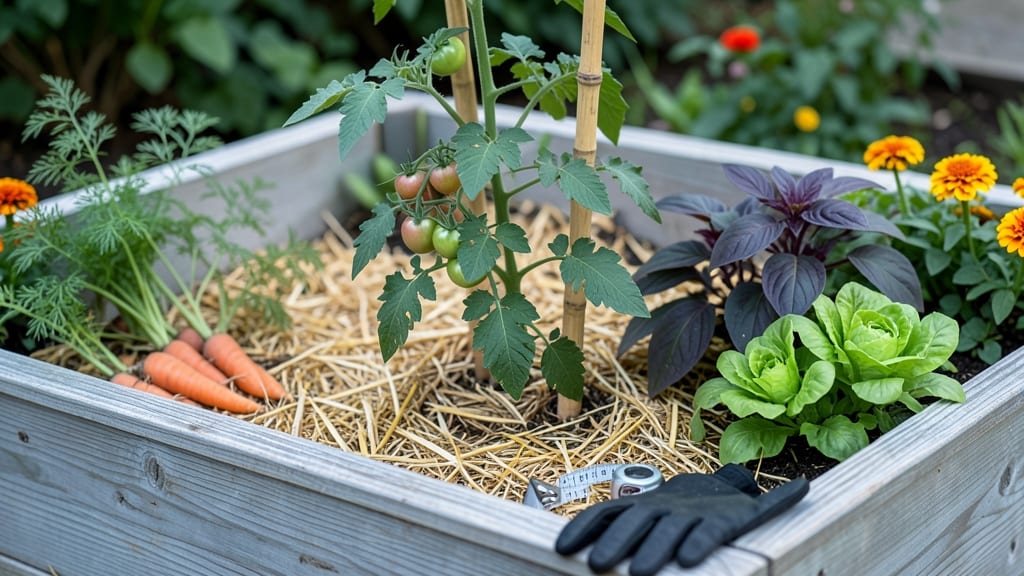
A companion planting raised bed layout creates natural pest defenses by strategically pairing plants like basil with tomatoes or marigolds with vegetables, maintaining 6–12 inches between them for optimal airflow and root competition. Separating plant families (like brassicas) prevents soil-borne diseases from spreading.
This smart gardening approach works because certain plants release natural chemicals that repel pests or attract beneficial insects.
For example, marigolds emit a scent that deters nematodes, while onions planted near carrots confuse carrot flies. 🌱 The key is balancing plant needs—tall companions like sunflowers can shade out weeds, while low-growing herbs protect roots from soil pests.
I’ve found that rotating crops yearly keeps diseases at bay and maintains soil health.
When designing your beds, start with a sketch of your space and group plants by their sunlight and water needs. For instance, place basil near tomatoes but keep it away from fennel, which stunts tomato growth.
Use a 3-row block system for tomatoes, basil, and peppers to maximize space and pest control. Always check companion planting charts before finalizing your layout—some pairings work wonders, while others can backfire!
💡 In This Article
- Science Behind Effective Companion Planting Pairings
- Step-by-Step Guide to Designing a Pest-Resistant Raised Bed
Science behind effective companion planting pairings
At the heart of companion planting lies allelopathy—the natural chemical warfare between plants. Take marigolds, for instance: their roots release alpha-terthienyl, a compound that repels nematodes (microscopic worms) while also masking the scent of vulnerable crops like tomatoes.
This chemical defense creates a protective barrier around the bed, reducing the need for synthetic pesticides. 🌼 What's fascinating is that some plants, like chives, emit sulfur compounds that deter carrot flies, while others, such as nasturtiums, act as "trap crops" by luring aphids away from your main vegetables.
Nutrient dynamics also play a crucial role. Legumes like beans fix nitrogen in the soil, enriching it for heavy feeders such as corn or tomatoes.
When planted together, the beans' roots form nodules with bacteria that convert atmospheric nitrogen into a usable form, while the corn provides structural support and shade. This symbiotic relationship reduces the need for artificial fertilizers and improves overall yield.
Spacing becomes critical here—plant beans 6-8 inches apart and corn 12-18 inches away to prevent root competition while still benefiting from the nitrogen boost.
The physical structure of plants matters just as much as their chemistry. Tall companions like sunflowers or corn create a living trellis, providing shade that suppresses weeds and reduces soil moisture loss. Their broad leaves also break wind, protecting delicate crops like lettuce or spinach from damage.
Meanwhile, low-growing herbs such as thyme or oregano release aromatic oils that deter pests like cabbage moths. The key is strategic placement: position taller plants on the north or west side of the bed to avoid shading shorter crops during peak sunlight hours.
Some pairings work through growth habit synergy, where one plant's weaknesses are offset by another's strengths. For example, potatoes and beans grow well together because potatoes' deep roots don't compete with beans' shallow nitrogen-fixing roots.
However, avoid pairing potatoes with tomatoes or peppers—they all belong to the nightshade family and share the same soil-borne diseases. This is why grouping plant families separately is essential: it prevents pests and diseases from spreading uncontrollably within a single bed.
Temperature and seasonality add another layer of complexity. Certain pairings, like lettuce and radishes, thrive in cool weather and benefit from each other's shade, while others, such as cucumbers and beans, prefer warmer conditions.
Radishes mature quickly (3-4 weeks), allowing them to act as early-season weed suppressors before being harvested. Meanwhile, beans take longer (60-90 days) to establish their nitrogen-fixing benefits. Planning your layout around these timelines ensures continuous pest control and soil improvement throughout the growing season.
Don't overlook the role of beneficial insects in this ecosystem. Plants like dill and fennel attract predatory wasps that hunt tomato hornworms, while alyssum draws hoverflies, which devour aphids.
These natural pest controllers create a balanced environment where chemical interventions become unnecessary. The result? Healthier plants, higher yields, and a garden that thrives on its own resilience. 🌱