
Light Requirements
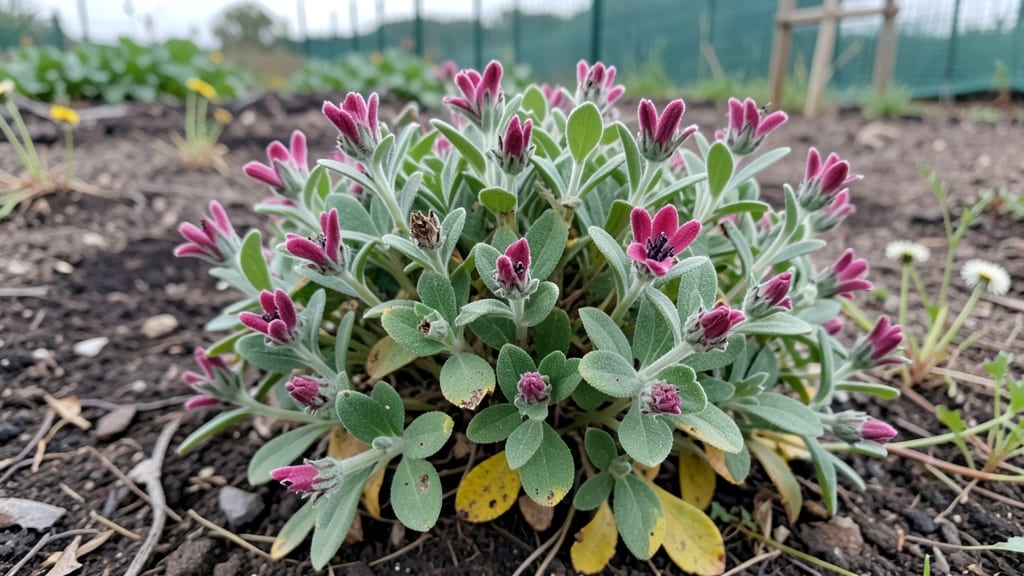
Texas perennials for full sun don’t just survive—they outshine everything else in the yard. 🌞 I’ve seen them push through droughts, heatwaves, and even rocky soil to deliver bold blooms and lush foliage that make neighbors stop and stare.
These plants aren’t just tough; they’re the backbone of a low-water, high-impact garden that thrives without fuss.
The secret lies in choosing the right species—think blackfoot daisy, Texas ranger, or Mexican feather grass—each adapted to handle 100°F+ temps and sparse rainfall. They demand minimal soil prep (just good drainage) and water only when the top inch feels dry, cutting your maintenance by half.
Once established, they’ll outlast annuals by years, returning stronger every spring.
Picture this: sunny borders bursting with purple, pink, and gold that stay vibrant from March through November. The fragrance of mexican bush honeysuckle at dusk or the rustling of sideoats grama grass in the breeze—these are the little luxuries that make full-sun gardens worth the effort.
You’ll spend less time watering and more time admiring a landscape that looks polished without the upkeep.
Whether you’re in the Hill Country, Gulf Coast, or Panhandle, these perennials adapt—no fuss, no failures. Start with just three varieties, and watch how quickly your yard transforms from "average" to "wow, how’d you do that?" The best part? They’ll keep thriving while your neighbors’ gardens wilt.
📚 In This Guide
- What you need
- Instructions
- Tips and common mistakes
- Wrapping up and next steps
What you need
- ● Perennial plants: Choose from drought-resistant Texas natives like Blackfoot Daisy (Melampodium leucanthum), Mexican Feather Grass (Nassella tenuissima), or Autumn Sage (Salvia greggii). Buy 3–5 plants per variety for a full, lush look.
- ● High-quality soil: 50 lbs of native Texas soil or a mix of 60% native soil + 30% compost + 10% perlite for drainage.
- ● Organic mulch: 2–3 cubic feet of shredded bark or gravel to retain moisture and suppress weeds.
- ● Drip irrigation system: 50–100 ft of tubing + emitters (adjust based on garden size) to ensure 1–1.5 inches of water per week.
- ● Garden gloves & knee pads: Protect your hands and joints during planting!
- ● Slow-release fertilizer: 10–20 lbs of a balanced 10-10-10 or native plant-specific blend for a nutrient boost.
- ● Pruning shears: Sharp, bypass-style shears for shaping and maintenance.
- ● Soil pH test kit: Ensure your soil’s pH is 6.0–7.5 (most Texas perennials prefer slightly acidic to neutral).
- ● Wildlife-friendly touches: Native milkweed (Asclepias) or Lantana to attract pollinators!
How to establish a low-maintenance Texas perennial garden in full sun
Here’s the straightforward approach I’ve used to create vibrant, drought-tolerant perennial gardens that thrive in Texas’ intense sun.
🌱 Step 1: Select the Right Perennials for Your Site
Texas’ full sun conditions demand plants that handle 100°F+ temperatures without wilting. Start with proven drought-resistant perennials like blackfoot daisy, salvia greggii, or yucca gloriosa—these handle heat and poor soil better than most. Check your hardiness zone (typically 8-10) and pick varieties that match your specific microclimate.
Here’s the thing—avoid moisture-loving plants like hostas or ferns. Instead, focus on native Texas species or those labeled "drought-tolerant" on seed packets. Group plants with similar water needs together to simplify care later. For example, pair lantana (thrives on neglect) with sage (needs slightly more moisture) in the same bed.
☀️ Step 2: Prepare the Soil for Heat and Drought
Texas soil is often clay-heavy and alkaline, which drains poorly and locks out nutrients. Amend your beds with 2-3 inches of compost (work it into the top 6 inches of soil) to improve drainage and water retention. I skip synthetic fertilizers—they encourage weak, thirsty growth. Instead, add 1 cup of bone meal per 10 square feet to boost phosphorus for strong roots.
Don’t skip this: Test your soil’s pH. Most Texas natives prefer slightly acidic to neutral (6.0–7.5). If your soil is alkaline (common in West Texas), mix in sulfur or peat moss to lower pH gradually. A simple $20 soil test kit from your local extension office saves headaches later.
💧 Step 3: Plant with Proper Spacing for Airflow
Crowding invites fungal diseases and competition for water. Space perennials 12–24 inches apart, depending on their mature size. For example, blackfoot daisy (a Texas staple) needs 18 inches between plants, while Texas sage can stretch to 2 feet wide. Check plant tags for exact spacing—this ensures each plant gets sunlight and airflow.
Plant in early spring or fall (avoid summer heat, which stresses roots). Dig holes twice as wide as the root ball but only as deep. Gently tease apart roots if they’re circling—this encourages outward growth. Water deeply right after planting to settle the soil, then let it dry slightly before watering again.
✂️ Step 4: Water Deeply but Infrequently
Texas perennials hate shallow, frequent watering—it encourages weak roots. Instead, water deeply every 7–10 days (or when the top 2 inches of soil feel dry). Use a soaker hose or drip irrigation to deliver water slowly at the base, avoiding leaves to prevent fungal issues.
Here’s the trick: Water in the early morning (before 10 AM) to reduce evaporation. Mulch with 2–3 inches of shredded bark or gravel (avoid organic mulch in extreme heat—it can smother plants). This keeps roots cool and moisture locked in. After 2–3 weeks, your plants should be established enough to handle Texas’ dry spells without wilting.
🪴 Step 5: Prune and Maintain for Long-Term Health
Most Texas perennials need minimal pruning—cut back dead or damaged foliage in early spring, and trim overgrown stems after flowering to encourage new growth. For example, salvia greggii blooms on old wood, so prune only after it finishes flowering (usually late spring).
Fertilize once a year in early spring with a balanced, slow-release fertilizer (like 10-10-10). Avoid high-nitrogen feeds—they promote lush, water-hungry growth. Watch for pests like spider mites (common in heat) and aphids. A strong spray of water usually clears them, but neem oil works if infestations persist.
Tips & tricks for perfect Texas perennial gardens in full sun
Creating a thriving Texas perennial garden in full sun isn't just about planting—it's about understanding the unique challenges of our climate. These practical tips will help you establish a resilient garden that requires minimal maintenance while delivering maximum beauty year after year.
Selection Strategy: When choosing perennials in Step 1, prioritize those with silvery foliage like Texas rangers or blue mistflower—their natural color helps reflect sunlight and reduce heat stress. I've found that plants with hairy or fuzzy leaves (like Texas sage) also handle our intense sun better by reducing water loss. Always check the plant tags for "heat-tolerant" labels, as these varieties have been specifically bred for our conditions.
Soil Preparation Insight: In Step 2, don't just add compost—incorporate coarse sand or perlite into your 2-3 inches of compost to improve drainage in clay-heavy soils. This creates air pockets that help roots breathe, especially important when dealing with Texas' 100°F+ temperatures. I've seen gardens fail spectacularly when people skip this step, thinking compost alone would suffice. The key is creating that perfect balance between moisture retention and drainage.
Planting Technique: The spacing recommendations in Step 3 are non-negotiable for airflow, but here's what nobody tells you: plant slightly deeper than the root ball—about 1 inch deeper than the container level. This encourages roots to spread outward rather than upward, creating a stronger root system that can better access moisture during drought. Just be careful not to bury the crown, as this can lead to rot in our humid summers.
Watering Wisdom: For Step 4's watering schedule, consider installing a rain gauge near your garden to track rainfall accurately. This helps you adjust that 7-10 day watering window based on actual precipitation rather than guesswork. I've seen many gardens overwatered because people assumed our sporadic rains would suffice—don't make that mistake. The goal is to establish deep roots that can find their own moisture during Texas' inevitable dry spells.
Pro Tips for Texas Perennials Full Sun
- Creating a thriving Texas perennial garden in full sun isn't just about planting—it's about understanding the unique challenges of our climate.
- Selection Strategy: When choosing perennials in Step 1, prioritize those with silvery foliage like Texas rangers or blue mistflower—their natural color helps reflect sunlight and reduce heat stress.
- Soil Preparation Insight: In Step 2, don't just add compost—incorporate coarse sand or perlite into your 2-3 inches of compost to improve drainage in clay-heavy soils.
Frequently asked questions
What are the toughest full-sun perennials for Texas that actually survive drought?
Top picks like Lantana, Blackfoot Daisy (Melampodium leucanthum), and Texas Sage (Leucophyllum frutesii) are legendary for their drought tolerance. These native beauties thrive in Texas heat with minimal water once established. Pair them with Yucca or Agave for extra resilience!
How long does it take for full-sun perennials to become established in Texas?
Most drought-resistant perennials take 12–18 months to fully establish deep roots. During this time, water deeply but infrequently (about once a week in extreme heat). After that, they’ll handle Texas summers with ease—just like the Autumn Sage or Mexican Feather Grass in your neighbor’s yard!
Do I need to water full-sun perennials during Texas summers, or will they survive on rain alone?
While many Texas natives are drought-tolerant, newly planted perennials need consistent watering for the first year. Once established, occasional deep watering (every 2–3 weeks) is often enough. Pro tip: Mulch with 2–3 inches of gravel or organic mulch to retain moisture and protect roots from scorching.
What’s a good alternative if I have rocky or poor soil in full sun?
Don’t stress—Texas perennials like Horseherb (Calyptocarpus vialis), Turk’s Cap (Malvaviscus arboreus), and Prairie Verbena (Glandularia bipinnatifida) adapt well to rocky or sandy soils. These tough plants spread easily and add vibrant color without fuss. For extra insurance, amend soil with compost before planting.
Are there any full-sun perennials that deer or rabbits avoid?
Deer and rabbits usually steer clear of Lantana, Texas Ranger (Leucophyllum frutesii ‘Green Cloud’), and Mexican Bush Sage (Salvia leucantha). Their strong fragrance or fuzzy foliage makes them less appealing. Bonus: Plant these near high-traffic areas to create a natural barrier!
Wrapping up and next steps
Transforming your Texas garden into a vibrant, low-maintenance oasis is easier than you think! With the right perennials for full sun, you can enjoy stunning blooms and lush greenery while conserving water and effort.
These drought-resistant plants not only survive but thrive under the Texas sun, making them the perfect choice for any outdoor space.
Ready to take the next step? Start by sketching your garden layout, selecting a few of these hardy perennials, and preparing your soil. Plant with confidence—your future garden will thank you! 🌞🌸