
Flowers
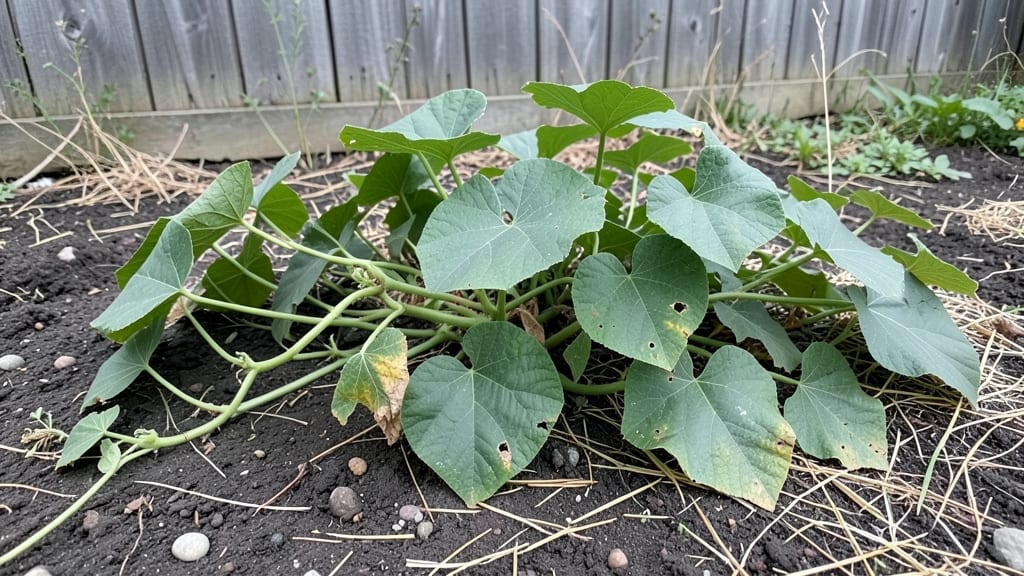
The sweet potato vine grows like a perennial in warm climates but dies back as an annual in cooler regions—this simple truth changes everything about how you plant and care for it. 🌱 I’ve watched it sprawl across my porch in Zone 8 through winters, while friends in Zone 5 replant it every spring.
The difference isn’t just about survival—it’s about timing, protection, and knowing when to cut back (or keep growing).
In frost-free areas, it thrives year-round with minimal effort, sending out vibrant green tendrils that beginners can’t kill. But in colder zones, it’s a seasonal showstopper that needs winter prep: mulch, containers, or even bringing it indoors to repeat its dramatic growth next year.
The key is matching your care to your climate—no guesswork, just results.
You’ll end up with lush, trailing vines that cascade over trellises or spill from hanging baskets, their heart-shaped leaves turning crisp in fall. Prune it back in late winter to encourage fresh growth, and you’ll have a garden feature that’s both disease-resistant and low-maintenance.
The payoff? A porch or patio that looks like a tropical escape, no matter where you live.
For gardeners in Zones 5-7, overwintering takes a little strategy—think insulated containers or row covers—but the effort is worth it for that first flush of new growth in spring.
Whether you treat it as a perennial or an annual, the secret is the same: give it warmth, space, and a little protection when the cold hits.
📚 In This Guide
- What you need
- Instructions
- Tips and common mistakes
- Wrapping up and next steps
What you need
- ● Sweet potato vine slips or tubers: 3–5 slips (for vibrant vines) or 1–2 small tubers (for root growth). Choose certified disease-free varieties like ‘Margarita’ or ‘Beauregard.’
- ● Well-draining potting mix: 5–10 gallons (for containers) or enrich your garden soil with compost (aim for 60% organic matter).
- ○ Containers (optional for perennials): 10–15 gallon pots (if overwintering indoors).
- ● Fabric grow bags (for better drainage).
- ● Fertilizer: Balanced 10-10-10 or slow-release organic fertilizer (e.g., worm castings). Apply at half-strength every 4–6 weeks.
- ● Mulch: Straw or shredded leaves (2–3 inches) to retain moisture and regulate soil temp.
- ● Garden tools: Trowel or small shovel (for transplanting slips).
- ● Pruning shears (to trim vines or harvest slips).
- ○ Gloves (optional, but SPV can irritate skin!).
- ● Sunlight access: Full sun (6+ hours/day) or partial shade (4–6 hours) in hot climates.
- ● Watering can or hose with gentle nozzle: SPV hates soggy roots—water when top 1–2 inches of soil are dry.
- ○ Thermometer (optional): Monitor soil temps below 50°F (10°C) if growing as a perennial (they’re frost-sensitive!).
- ● 🌡️ Climate check: In zones 9–11, SPV can be perennial with winter protection (mulch + containers). In colder zones, treat it as an annual.
- ● ✨ Boost growth: Add a handful of coffee grounds to the soil for nitrogen (but avoid overdoing it!).
- ● 🎯 Pest watch: Keep an eye out for spider mites—spray with neem oil if needed.
Step-by-step instructions for growing sweet potato vine successfully
Here's how I grow this fast-spreading vine—whether you want it back yearly or treat it as a perennial wonder.
🌱 Step 1: Start with Healthy Slips or Tubers
Sweet potato vine thrives from slips (young shoots) or whole tubers. I prefer slips because they root faster and avoid the risk of rot from planting whole tubers too deep. If using tubers, cut them into 2-inch sections, ensuring each piece has at least one "eye" (the small bud). Let the cut ends dry and callus for 1-2 hours before planting—this prevents disease.
For slips, I soak the base in lukewarm water for 6-8 hours to encourage root growth. Place the container in bright, indirect light—you'll see roots form in 3-5 days. Once roots reach 1-2 inches, they're ready to transplant. The key is patience here; rushing leads to weak, leggy growth.
☀️ Step 2: Plant in Well-Draining Soil with Full Sun
Sweet potato vine craves 6+ hours of direct sun daily—that’s non-negotiable for vibrant foliage. I mix the garden soil with compost to loosen it up, since this vine hates soggy roots. The ideal planting spot is slightly mounded, so water drains away from the base. Dig a hole twice as wide as the root ball but only as deep as the container it came in.
Gently tease the roots apart if they’re crowded, then place the slip or tuber section into the hole. Backfill with soil, pressing lightly to remove air pockets. Water deeply until moisture reaches 6 inches down—you’ll know it’s right when the soil surface looks damp but not glistening. Mulch with 2-3 inches of straw to retain moisture and suppress weeds. This step keeps roots cool and prevents the tubers from baking in hot sun.
💧 Step 3: Water Deeply and Maintain Consistent Moisture
Watering is where most gardeners trip up. Sweet potato vine needs 1-1.5 inches of water weekly, but it’s better to water deeply twice a week than daily shallow sips. I check moisture by sticking my finger 2 inches into the soil—if it feels dry, it’s time to water. Overwatering causes the tubers to rot, while underwatering leads to yellowing leaves and stunted growth.
Here’s the trick: water in the early morning so foliage dries by evening. Wet leaves at night invite fungal diseases like powdery mildew, and you’ll spot it as white, dusty patches on the undersides of leaves. If this happens, prune the affected areas immediately and avoid overhead watering. A drip irrigation system keeps moisture at the roots without wetting the leaves.
✂️ Step 4: Prune for Bushier Growth and Control Spread
Sweet potato vine grows aggressively, so pruning isn’t optional—it’s essential. Pinch back the tips of new growth when vines reach 12 inches long to encourage bushier, fuller plants. This also prevents the vine from becoming too top-heavy and snapping in wind or rain. Use clean, sharp pruners to avoid crushing stems, and always cut just above a leaf node (the bump where leaves attach).
If you’re growing it as an annual, you can trim back one-third of the plant mid-season to rejuvenate growth. For perennial care, I cut back to 6 inches tall in late fall, leaving the base intact. This protects the crown from winter freeze and gives it a head start in spring. Never remove all the foliage—some leaves help the plant store energy for next year.
⏰ Step 5: Overwinter or Reset for Next Season
Deciding whether to treat sweet potato vine as an annual or perennial changes the game. If your climate dips below 20°F, treat it as an annual and dig up the tubers before the first frost. Cure them in a warm, dry place (80-85°F) for 10 days—this thickens the skin and improves storage life. Store in a cool, dark spot where temps stay 55-60°F.
For warmer zones (Zone 9+), mulch heavily with 4-6 inches of straw or leaves to insulate the roots. The vine may go dormant but often regrows from the same tubers in spring. If you’re keeping it perennial, cut back the foliage in early spring once new shoots appear—this redirects energy to root growth and prevents disease. You’ll see fresh, vibrant vines within 2-3 weeks.
Tips & tricks for perfect sweet potato vine growth
Sweet potato vine might seem simple, but these tricks will help you avoid common pitfalls and get the most vibrant, healthy plants—whether you're growing it as an annual or perennial.
Root Development: When soaking slips for 6-8 hours to encourage root growth, use lukewarm water—not hot or cold. I place the container in bright, indirect light during this time, which speeds up root formation to 3-5 days. The key is consistency: keep the water level constant and avoid direct sunlight, which can stress the slips. Once roots reach 1-2 inches, they're ready for transplanting, and you'll notice a noticeable difference in how quickly they establish themselves in the soil.
Soil Preparation: The 2-3 inches of straw mulch isn't just for moisture retention—it also insulates the roots, keeping them from overheating in summer or freezing in winter. I always mix compost into the garden soil to improve drainage, which is critical since sweet potato vine hates soggy roots. For container growing, use a well-draining potting mix with perlite or sand to mimic this loose, airy texture.
Watering Wisdom: The 1-1.5 inches of water weekly guideline is perfect, but timing matters just as much. Water in the early morning so foliage dries by evening—this prevents fungal diseases like powdery mildew, which thrives in damp conditions. If you notice white, dusty patches on the undersides of leaves, prune those areas immediately and switch to a drip irrigation system to keep moisture at the roots without wetting the leaves.
Pruning Strategy: Pinching back tips when vines reach 12 inches isn't just about controlling spread—it encourages bushier growth by redirecting energy to lateral shoots. For perennial care, cutting back to 6 inches in late fall protects the crown from winter freeze while leaving some foliage helps the plant store energy for next season. I always use clean, sharp pruners and cut just above a leaf node to promote healthy regrowth.
Pro Tips for Sweet Potato Vine Annual Or Perennial
- Sweet potato vine might seem simple, but these tricks will help you avoid common pitfalls and get the most vibrant, healthy plants—whether you're growing it as an annual or perennial.
- Root Development: When soaking slips for 6-8 hours to encourage root growth, use lukewarm water—not hot or cold.
- Soil Preparation: The 2-3 inches of straw mulch isn't just for moisture retention—it also insulates the roots, keeping them from overheating in summer or freezing in winter.
Frequently asked questions
Got questions about sweet potato vine’s life cycle? You’re not alone!
Whether you’re a first-time gardener or a seasoned green thumb, these answers will help you grow this vibrant plant with confidence. Let’s dive in!
Is sweet potato vine a true annual or perennial?
Sweet potato vine (Ipomoea batatas) is typically grown as an annual in most climates because it’s sensitive to frost. However, in USDA Zones 9-11 (or warmer regions), it can survive as a perennial if given winter protection. In cooler areas, treat it like an annual—plant fresh cuttings each spring!
Can sweet potato vine survive winter in cold climates?
Nope! Sweet potato vine is not cold-hardy—it dies back when temps drop below 30°F (-1°C). To extend its life, dig up healthy vines in fall, trim them, and store in a cool, dry place. Replant in spring! Alternatively, grow it as a container plant and bring it indoors before frost.
How do I keep sweet potato vine blooming all season?
For nonstop blooms, prune regularly to encourage bushier growth. Deadhead spent flowers to redirect energy. Also, ensure it gets 6+ hours of sunlight daily and well-draining soil. Fertilize lightly with a balanced formula (10-10-10) every 4-6 weeks. Bonus: Pinch back leggy stems to promote fuller, flower-packed vines!
What’s the best way to propagate sweet potato vine?
Sweet potato vine spreads easily via stem cuttings! Snip 4-6 inch sections with at least 2 nodes, dip in rooting hormone (optional), and place in water or moist soil. Roots form in 1-3 weeks. Alternatively, plant tubers or slips (baby shoots) from store-bought sweet potatoes—just let them sprout first!
Why isn’t my sweet potato vine flowering?
Lack of blooms often means your vine needs more sunlight (aim for full sun) or nutrients. Overcrowding can also stunt flowers—space plants 12-18 inches apart. If grown indoors, move it near a south-facing window or use grow lights. Lastly, ensure it’s not root-bound—repot if needed!
Can I grow sweet potato vine from a grocery store sweet potato?
Yes! But only use organic, untreated sweet potatoes (conventional ones may have growth inhibitors). Cut into 2-inch chunks with an "eye" (sprout), let dry 1-2 days, then plant in soil. Avoid using baked or store-bought slips—they’re often treated to prevent sprouting. Pro tip: Try ‘Beauregard’ or ‘Georgia Jet’ varieties for best results!
Wrapping up and next steps
Now that you’ve unlocked the secrets of sweet potato vine’s life cycle—whether it thrives as an annual or perennial—you’re ready to transform your garden into a vibrant, low-maintenance paradise! 🌿 Whether you’re growing it for its stunning foliage, edible shoots, or even culinary uses, understanding its needs will help you cultivate it with confidence. Ready to take the next step? Experiment with propagation, try growing it in containers, or share your newfound knowledge with fellow gardeners—your green thumb is about to shine even brighter!