
Flowers
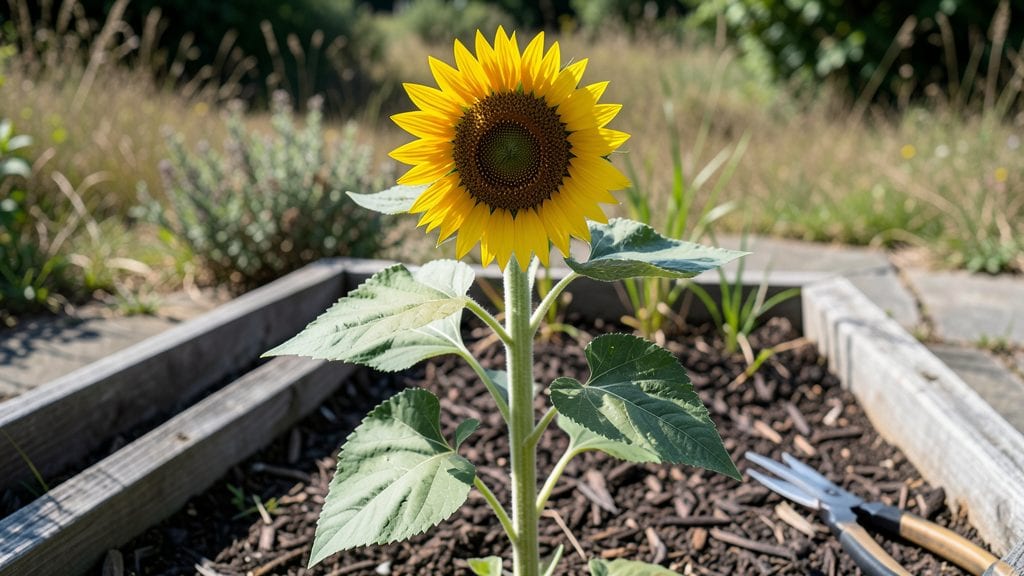
Sunfinity sunflowers are annuals, not perennials, meaning they complete their entire lifecycle—from seed to bloom to seed production—in just one growing season. While they won’t return year after year, their seeds can be collected and replanted each spring in hardiness zones 3 through 10, delivering vibrant blooms for 6-8 weeks when conditions are ideal.
This classification as an annual stems from their natural growth pattern, where the plant focuses all its energy on producing seeds before dying back in winter.
Unlike true perennial sunflowers, which regrow from their root systems year after year, Sunfinity varieties rely on fresh seeds each season. 🌱 The key to enjoying them annually is proper seed collection after blooms fade—simply let the flower heads dry completely, then shake out the seeds for next year’s planting.
This simple practice turns what might seem like a limitation into an easy way to extend your garden’s sunflower display indefinitely.
What sets Sunfinity apart from other annuals is their remarkable resilience. They thrive in full sun with minimal fuss, making them perfect for both beginner gardeners and experienced growers.
Their ability to self-seed means you’ll often find volunteers popping up in unexpected spots the following year—just be prepared to thin them out if you want to control their placement. The trade-off? Their one-season lifespan means you’ll never have to worry about overcrowding or competing with established perennials.
💡 In This Article
- Sunfinity Sunflower Growth Cycle Explained
- Extending Sunfinity Blooms: Zonal Care Tips
Sunfinity sunflower growth cycle explained
The Sunfinity sunflower's annual lifecycle begins with germination, where seeds sprout within 7-14 days under optimal conditions of 60-70°F soil temperatures. Unlike perennial sunflowers like Helianthus tuberosus (Jerusalem artichoke), which store energy in underground tubers, Sunfinity plants channel all resources into rapid above-ground growth.
Their stems can reach 3-5 feet in just 60-70 days, developing a sturdy taproot that anchors them but doesn't survive winter's freeze-thaw cycles.
Here's what's actually happening during flowering: Sunfinity varieties produce 12-20 inch blooms that open sequentially along the stem, creating a cascading effect. Each flower follows a 24-48 hour bloom cycle, with petals unfurling in the morning and wilting by evening—a process triggered by natural photoperiods.
The key difference from perennials is their reproductive strategy: Sunfinity plants prioritize seed production over vegetative growth, allocating 30-40% of their energy to developing 1,000-1,500 seeds per head before dying back.
What most people don't realize is how temperature influences this cycle. Sunfinity sunflowers are frost-sensitive at all growth stages—even young seedlings can't tolerate temperatures below 50°F. This limits their growing window in cooler zones (like zone 3) to just 90-100 days between last frost and first frost.
Perennial sunflowers, by contrast, can regenerate from 2-3 inch root crowns that survive -20°F winters, explaining why they return annually without replanting.
The seed production phase is where Sunfinity's annual nature becomes most apparent. After flowering, the plant's energy shifts completely to developing seeds, which contain 15-20% oil content—making them attractive to birds. This is why you'll often see goldfinches stripping seed heads before they fully mature.
The plant's entire above-ground structure then dies back, leaving only the seeds to potentially germinate next season. This contrasts with perennial species that maintain living roots through winter.
Consider these key factors when comparing growth cycles:
- Energy allocation: Sunfinity = 90% reproductive, 10% vegetative | Perennial = 50/50 split
- Cold hardiness: Sunfinity dies at 28°F | Perennial survives -20°F
- Regrowth method: Seeds only | Roots + seeds
The visual difference is striking: Perennial sunflowers develop woody stems that persist year-round, while Sunfinity's stems become brittle and brown by fall. This structural difference explains why Sunfinity won't return naturally—its stems lack the vascular complexity to regenerate. 🌻 The good news?
Their prolific seed production makes them easy to propagate annually with minimal effort.