
Flowers
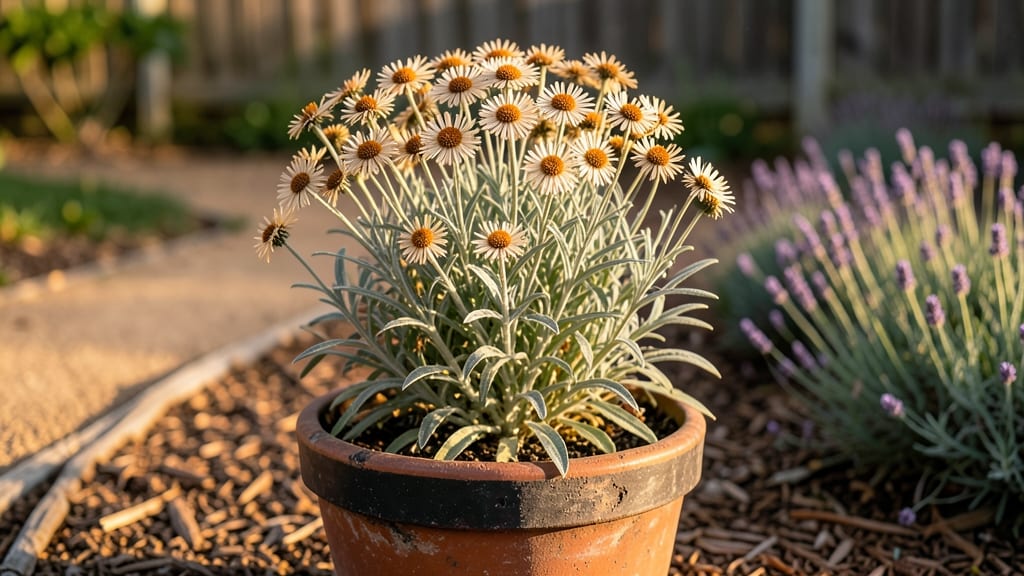
Strawflowers behave as annuals in most climates but can act like short-lived perennials in frost-free zones, regrowing from roots when winters stay mild.
This dual nature comes from their hardy root systems, which store energy to push new growth when temperatures rise. 🌱 In colder regions, they complete their full life cycle each year, while warmer areas often see them return for multiple seasons.
The key difference lies in winter survival—roots that escape freezing can regenerate, turning what seems like an annual into a semi-perennial performer.
For gardeners, this means you can treat them like annuals in Zone 5 and below, but expect surprise returns in Zones 8-10 if you leave the roots intact.
I've seen strawflowers in my Zone 9 garden resprout for 3-4 years with minimal care, proving they're more resilient than their annual label suggests.
💡 In This Article
- Strawflower Life Cycle Stages Explained
- Gardening Tips for Extending Strawflower Blooms
Strawflower life cycle stages explained
The strawflower's life cycle begins with germination, where seeds sprout within 7-14 days under ideal conditions—60-75°F soil temperatures and consistent moisture. The key here is their taproot system, which develops rapidly to anchor the plant and store nutrients.
Unlike many annuals that rely on fibrous roots, strawflowers establish a primary root that can reach 12-18 inches deep, giving them their surprising resilience. This root structure is what allows them to persist through mild winters in frost-free zones.
Once established, strawflowers enter their vegetative growth phase, producing lance-shaped leaves that maximize sunlight absorption. The plant focuses energy on stem elongation until it reaches 12-36 inches tall, depending on the variety.
What's fascinating is how temperature triggers the next stage: when daytime temperatures consistently exceed 70°F, the plant shifts from leaf production to flower bud formation. This is why you often see strawflowers bloom in late summer—nature's built-in timer responds to heat accumulation, not just calendar dates.
The blooming phase lasts 4-6 weeks, with flowers opening sequentially along the stem. Each bloom contains papery petals that mimic dried flowers, a trait that makes them popular in arrangements. What's unique is their self-pollination mechanism: flowers close at night, trapping pollen inside until morning, when they reopen.
This ensures seed production even in isolated plants. After blooming, the plant produces seed heads that dry and release thousands of tiny seeds—each capable of surviving 2-3 years in the soil if conditions are right.
Here's where the annual vs. perennial debate gets interesting: in USDA Zones 3-7, strawflowers complete their entire cycle in one season, dying back when frost hits. But in Zones 8-10, those deep roots often survive winter dormancy.
The secret lies in root hardiness: strawflower roots can tolerate temperatures down to 20°F for short periods, but prolonged freezing kills them. In my Zone 9b garden, I've observed roots regenerate when spring temperatures hit 55°F, pushing new shoots within 3-4 weeks of warming.
What most gardeners don't realize is how soil temperature affects this cycle. Strawflowers need consistent warmth to break dormancy—roots won't regrow until soil reaches 50°F. This explains why you might see them return in mild winters but fail in colder ones.
The plant's ability to store carbohydrates in its roots during the growing season is what fuels this regrowth. Think of it like a natural battery: the more energy stored, the longer the plant can persist.
In tropical climates (Zones 10-11), strawflowers often behave as true perennials, growing continuously with minimal dormancy. The lack of frost means their life cycle becomes more circular, with blooming periods extending beyond a single season.
This adaptability is why strawflowers thrive in Mediterranean climates—they've evolved to take advantage of warm, dry summers while conserving water through their drought-resistant foliage.
The takeaway? Strawflowers are opportunistic survivors, using their root systems to extend their lifespan when conditions allow. For gardeners, this means you can treat them as annuals in cold climates but experiment with overwintering techniques in milder zones—like mulching heavily or planting in protected microclimates.
Their ability to regenerate makes them one of the most forgiving plants for both beginners and experienced growers. 🌿