
Flowers
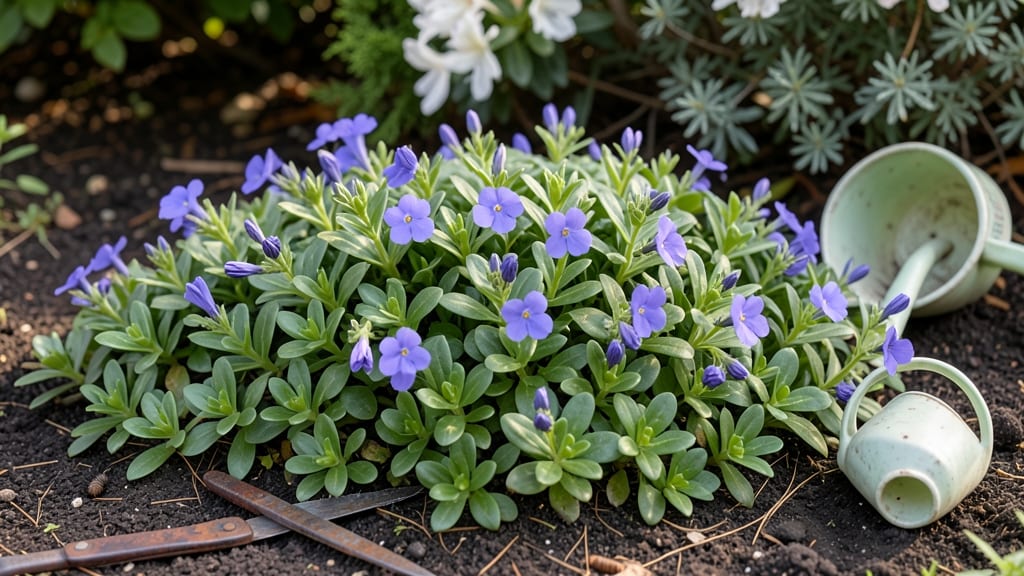
Periwinkle is a perennial plant in most climates, thriving for multiple years with proper care, though some varieties may be treated as annuals in colder regions where frost kills them back to the ground.
Deciding whether periwinkle acts as a perennial or annual depends entirely on your climate zone.
In warmer regions (USDA zones 7-11), these plants naturally return year after year, spreading through underground runners and blooming reliably each spring. 🌿 However, gardeners in colder zones (5-6) often treat them as annuals because winter frosts can damage the roots, requiring replanting each season.
The key difference lies in how well they survive dormancy—perennial varieties develop stronger root systems to withstand seasonal changes.
What makes this distinction important is how you plan your garden layout. If you're in a mild climate, you can enjoy continuous blooms for years with minimal effort, while colder-zone gardeners might need to prioritize overwintering strategies like heavy mulching or container growing.
I've found that even in marginal zones, some hardier varieties (like Vinca major) can persist if given extra protection during freeze events.
💡 In This Article
- Periwinkle Plant Life Cycle Explained
- Growing Periwinkle as a Perennial: Essential Care Tips
Periwinkle plant life cycle explained
The periwinkle's life cycle begins with seed germination, where tiny seeds sprout within 10-20 days under ideal conditions of 60-70°F soil temperatures. What's fascinating is how these plants prioritize horizontal growth over vertical—once established, periwinkle spreads aggressively through underground stolons (creeping stems) that can extend 12-18 inches annually.
This vegetative spread is why mature plants form dense ground covers rather than tall shrubs.
The flowering stage typically occurs 6-8 weeks after germination, with delicate 1-inch-wide blooms appearing in shades of purple, white, or pink.
Each flower contains five petals arranged in a star pattern, and they remain open for just 3-5 days before dropping—though the plant continues producing new flowers throughout the growing season. The key biological adaptation here is their ability to self-pollinate, ensuring consistent reproduction even in isolated garden beds.
Dormancy behavior varies dramatically by climate. In perennial zones (USDA 7-11), periwinkle enters a shallow dormancy during winter, with roots remaining active just below the frost line. The plant's waxy leaves and thick stems help insulate the crown, allowing regrowth as soon as temperatures rise above 40°F.
In colder zones (5-6), however, the entire plant—roots and all—often dies back to the ground, which is why gardeners there must replant annually unless they use protective measures.
What most gardeners don't realize is how the plant's root structure determines its longevity. Perennial periwinkle develops a deep taproot system that can reach 12-18 inches deep, while annual varieties in cold climates only develop shallow fibrous roots.
This structural difference explains why established perennial plants bounce back so vigorously each spring—those deep roots store energy reserves that annuals simply can't match.
Climate zones directly influence these growth patterns. In zone 9, for example, periwinkle may bloom continuously year-round, while in zone 6 it follows a strict spring-to-fall growth cycle.
The plant's ability to photosynthesize at temperatures as low as 45°F means it can start growing earlier in spring than many competitors, giving it a competitive edge in garden ecosystems.
Here's what's actually happening during dormancy: The plant converts stored carbohydrates into antifreeze proteins that prevent cellular damage from ice crystal formation. This biochemical adaptation is why some periwinkle varieties can survive brief freezes down to 15°F—though prolonged exposure to -5°F will still kill most varieties.
The trade-off is that these hardy varieties often grow more slowly in warmer climates, as their energy goes toward building cold resistance rather than rapid expansion.