
Flowers
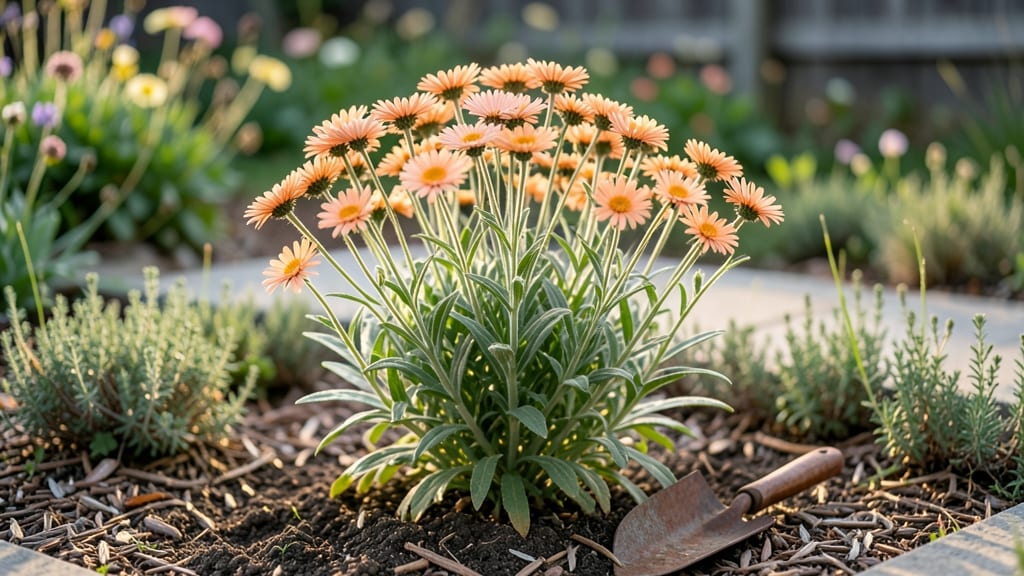
Strawflower's lifespan depends entirely on your climate zone—it thrives as a tender perennial only in frost-free areas, while colder regions force it to act like an annual. 🌱 The key difference lies in its root system: strawflower develops shallow roots that struggle to survive freezing temperatures, which is why most gardeners replant each spring.
Even in marginal zones (USDA 8), proper mulching or container growing can extend its life by protecting those delicate roots from winter kill.
What many gardeners don't realize is how easily strawflower adapts to different growing conditions. In ideal settings, it can even self-sow prolifically, creating naturalized patches that return year after year without intervention.
The secret lies in timing—planting in early spring gives roots enough time to establish before summer heat sets in, while fall planting risks winter damage in colder climates.
💡 In This Article
- Strawflower’s Growth Habits and Climate Dependence
- Extending Strawflower’s Lifespan: Planting and Care Tips
Strawflower’s growth habits and climate dependence
The strawflower's lifespan hinges on its shallow root system, which typically extends only 6-12 inches deep and lacks the deep taproots of true perennials like lavender.
This makes it highly sensitive to temperature fluctuations—once frost hits 28°F, the roots can't survive the cellular damage caused by ice crystal formation in plant tissues.
Unlike true perennials that store energy in thick rhizomes or woody stems, strawflower relies on quick regrowth each season, which is why it behaves as an annual in most climates.
Here's what's actually happening at the cellular level: strawflower's meristematic tissues (growth zones) are located near the surface, where they're vulnerable to freezing. When temperatures drop below 32°F, these delicate cells rupture, killing the plant back to the ground.
In contrast, lavender's woody stems contain protective compounds that prevent ice crystal formation, allowing it to regrow from the base each spring. The key difference is strawflower's thermophilic nature—it evolved in Australia's warm climate where frost is rare, making it ill-equipped for cold winters.
USDA zones 9-11 offer the perfect conditions for strawflower to act like a tender perennial. In these frost-free areas, the plant can complete its full growth cycle—sprouting in early spring, flowering through summer, and setting seed before winter.
What most people don't realize is how this behavior changes with latitude: in USDA zone 8, you might get 2-3 years of growth before winter kill, while zone 7 typically sees only one season unless you take protective measures.
The transition happens because strawflower's dormancy mechanisms aren't as developed as true perennials.
There's an important distinction between strawflower's behavior and true perennials like salvia. While salvia stores energy in its roots to fuel regrowth, strawflower relies on quick seasonal cycles. Its papery flower heads actually help insulate the plant in mild winters, but this protection fails when temperatures drop below 20°F.
The plant's ability to self-seed becomes its survival strategy in marginal climates—dropping 100-200 seeds per flower head that can germinate the following spring, creating naturalized colonies that persist year after year without human intervention.
In marginal climates (zones 7-8), you can extend strawflower's lifespan by mimicking its natural conditions. The secret lies in protecting those shallow roots: 4-6 inches of mulch can raise soil temperatures by 5-10°F, creating a microclimate that prevents freezing.
Container growing also works well because you can move pots to sheltered locations during winter. What's fascinating is how strawflower's growth habit changes with these protections—it develops slightly deeper roots (12-18 inches) when given consistent warmth, which improves its cold tolerance by about 2-3°F.
The most surprising fact about strawflower's growth is how its flowering cycle actually helps it survive. The plant's determinate growth habit means it focuses all energy on producing flowers and seeds before winter, rather than maintaining vegetative growth.
This strategy ensures genetic continuity through self-seeding, even if the parent plant dies back. In contrast, true perennials like salvia maintain both flowers and foliage throughout the growing season, storing energy for next year's growth. 🌱