
Tools
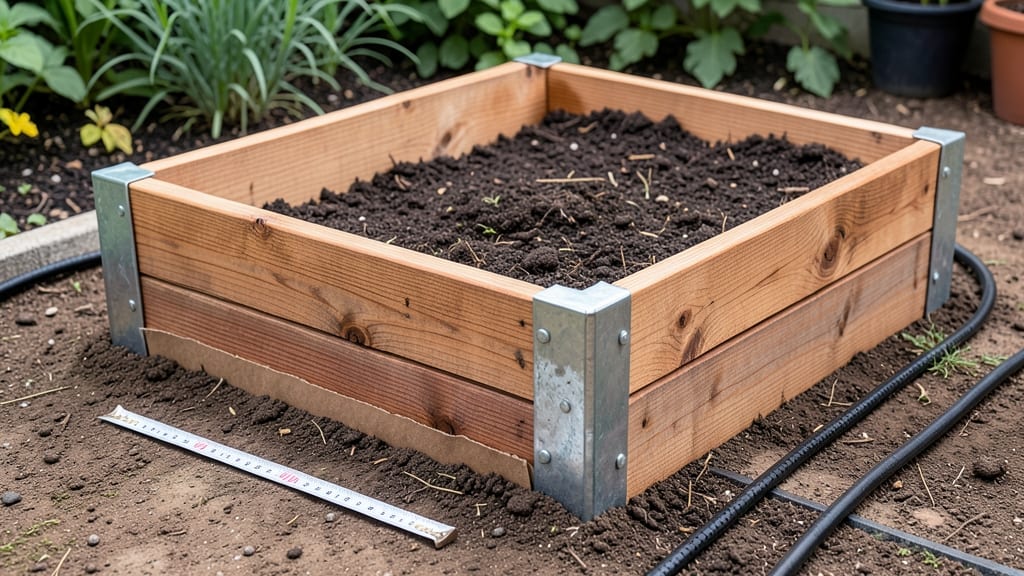
The standard raised garden bed size is designed to be 4 feet wide by 8 feet long, with heights between 6 and 12 inches, creating the perfect balance for gardening efficiency and plant health.
The 4-foot width is ideal because it allows most people to reach the center without stepping into the bed, preventing soil compaction from foot traffic. 🌱 Meanwhile, the 8-foot length maximizes space efficiency while keeping the bed manageable for most gardeners.
The 6- to 12-inch height provides enough soil depth for root systems while improving drainage—critical for preventing waterlogged plants. These dimensions also make weed control easier by reducing ground-level soil exposure.
For those with limited space, you can scale down proportions while maintaining the same ratios—like a 3-foot by 6-foot bed for small yards. Urban gardeners might opt for narrow, long beds (e.g., 2 feet wide by 10 feet long) to fit balconies or patios.
The key is keeping the width accessible while adjusting length to your layout. Modular designs let you connect multiple beds for larger growing areas without sacrificing ergonomics.
💡 In This Article
- Why Standard Raised Garden Bed Dimensions Improve Plant Growth
- Customizing Raised Garden Bed Sizes for Different Spaces
Why standard raised garden bed dimensions improve plant growth
The 4-foot width of standard raised beds is a game-changer for plant health because it aligns with human reach—most adults can comfortably extend their arms 2-3 feet from their body without stepping into the bed. This prevents soil compaction from foot traffic, which can suffocate roots and reduce aeration.
Studies show that compacted soil can decrease root growth by up to 40%, while raised beds maintain loose, well-aerated soil year-round. The width also creates a natural barrier against weeds, as fewer seeds make contact with exposed soil compared to ground-level plots.
Length matters too. An 8-foot bed balances space efficiency with manageability—long enough to grow multiple rows of crops (like tomatoes, peppers, and greens) without overcrowding, but short enough to turn easily with a wheelbarrow or garden fork.
The 12-inch height provides 8-10 inches of soil depth, which is ideal for most vegetables (roots like carrots need 10-12 inches, while shallow crops like lettuce thrive in 6 inches).
This depth also improves drainage by allowing excess water to escape through the bed's bottom, preventing root rot—a common issue in ground-level gardens where water pools.
Here's the science behind why these dimensions work: Raised beds warm up 2-3 weeks earlier in spring because they absorb heat from the sun more efficiently than ground soil. The contained soil also retains moisture better, reducing irrigation needs by 25-50% compared to in-ground gardens.
The edges act as a natural mulch, slowing evaporation and keeping roots consistently hydrated. Plus, the elevated design discourages pests like slugs and snails, which struggle to climb the sides.
For root systems, the 6-12-inch height creates an oxygen-rich zone where beneficial microbes thrive. Unlike ground soil, which can become compacted over time, raised bed soil stays fluffy and rich in organic matter. This environment encourages deeper root penetration, leading to 20-30% larger plants compared to ground-level gardens.
The dimensions also make crop rotation easier—you can divide the bed into sections for different plant families, reducing disease risks.
Consider this: A 4x8-foot bed yields about 32 square feet of growing space, enough for a family of four to grow all their summer vegetables. The width ensures even sunlight exposure across the bed, while the length allows for staggered planting.
For example, you could plant tomatoes at one end (which need 18-24 inches of space) and lettuce at the other (which thrives in 6-inch rows). This maximizes every inch of space without sacrificing plant health.
What most gardeners don't realize is how the bed's dimensions interact with soil temperature. The 6-12-inch height creates a microclimate where soil stays 5-10°F warmer than ground soil in spring, giving plants a head start.
Meanwhile, the width ensures consistent moisture distribution—no dry pockets at the edges. It's a perfect balance of form and function, designed to work with nature, not against it. 🌱