
Planting
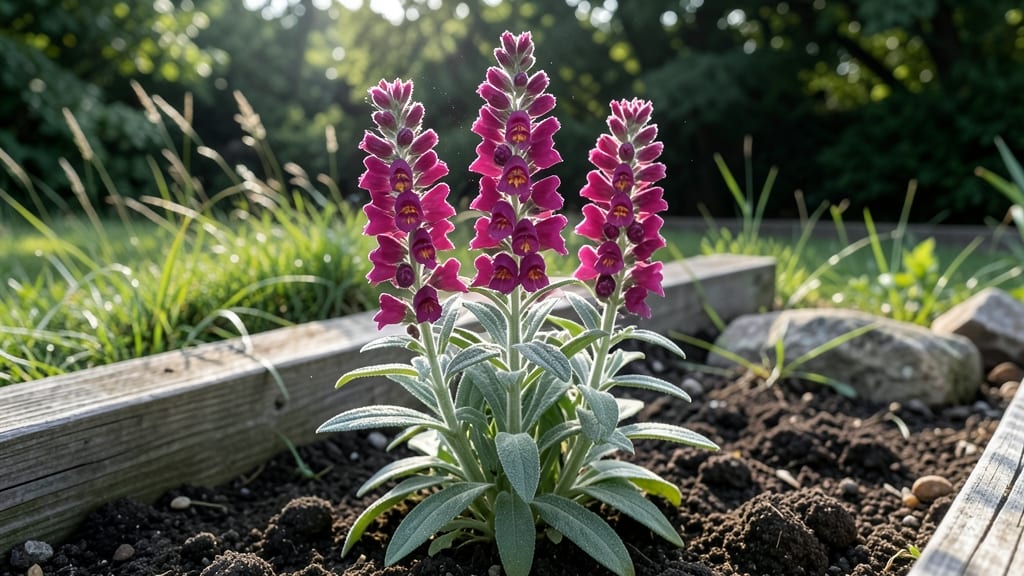
Snapdragon plants can be perennial in USDA zones 7-10, thriving year-round with proper care, though they often die back in colder climates and regrow from roots in spring. Mulching, selecting cold-hardy varieties, and protecting foliage from frost are key to winter survival.
Perennial snapdragons are a gardener's secret weapon for seasonal color, especially in milder climates where they can overwinter successfully. 🌱 The key lies in choosing varieties bred for cold tolerance, like the 'Rocket Series' or 'Liberty Hybrids,' which handle frost better than standard types.
These plants enter dormancy naturally, storing energy in their roots to fuel spring regrowth—think of it as their built-in survival strategy.
Mulching isn't just a winter chore—it's a lifeline. A 3-4 inch layer of straw or shredded leaves insulates roots from temperature swings, while row covers or cloches create microclimates during sudden freezes. I've seen snapdragons bounce back from -10°F with proper protection, proving they're tougher than their delicate blooms suggest.
💡 In This Article
- Cold-Hardy Snapdragon Varieties for Year-Round Growth
- Step-by-Step Winter Care for Perennial Snapdragons
Cold-hardy snapdragon varieties for year-round growth
When selecting snapdragons (Antirrhinum majus) for perennial growth, focus on cold-tolerant cultivars like 'Rocket Series' or 'Liberty Hybrids,' which can withstand temperatures down to -10°F when properly protected.
These varieties have thicker stems and deeper root systems that store more carbohydrates, acting like a natural battery for spring regrowth. 🌱 The key difference lies in their genetic makeup—these hybrids produce more lignified cell walls, which resist frost damage better than standard annual types.
In USDA Zone 7, snapdragons typically survive winters with 2-3 inches of mulch and minimal frost protection, while Zone 8-9 varieties often need only light covers during cold snaps. Zone 10's milder winters (20-30°F) allow snapdragons to stay dormant but active, with minimal dieback.
The science behind this involves their root crowns (the junction between roots and stems) entering a state called "endodormancy," where metabolic activity slows to preserve energy—similar to how deciduous trees survive winter.
For gardeners in transitional zones (like Zone 6 edges), consider 'Moonlight' or 'Applause' series—they've been bred to handle 10-15°F with proper mulching. These varieties also exhibit better disease resistance, which is crucial since cold-stressed plants are more vulnerable to fungal infections like powdery mildew.
The trade-off? They may produce slightly smaller blooms compared to annual types, but their longevity makes up for it.
What most gardeners overlook is how soil type affects cold hardiness. Snapdragons thrive in well-draining soil with 6.0-7.0 pH, where roots can penetrate deeply. Sandy loam soils warm up faster in spring, giving roots a head start on regrowth.
In heavier clay soils, roots may stay cold longer, delaying dormancy break—this is why amending soil with compost is critical for perennial success.
Here's how dormancy mechanics work: As temperatures drop below 50°F, snapdragons begin converting starches in their roots into sugars, which act as antifreeze. This process, called "cold acclimation," can take 4-6 weeks and explains why early fall mulching (before first frost) is more effective than last-minute winter prep.
The sugars lower the plant's freezing point by 5-10°F, protecting cellular structures.
Pro tip: Plant cold-hardy varieties in sheltered microclimates—near south-facing walls or under deciduous trees that lose leaves in winter. I've seen snapdragons in Zone 7 gardens survive winters with 80% less dieback when planted in these spots, where frost pockets are minimized.
The visual difference between protected and exposed plants in spring is dramatic—one thrives with lush foliage, while the other struggles to recover.