
Flowers
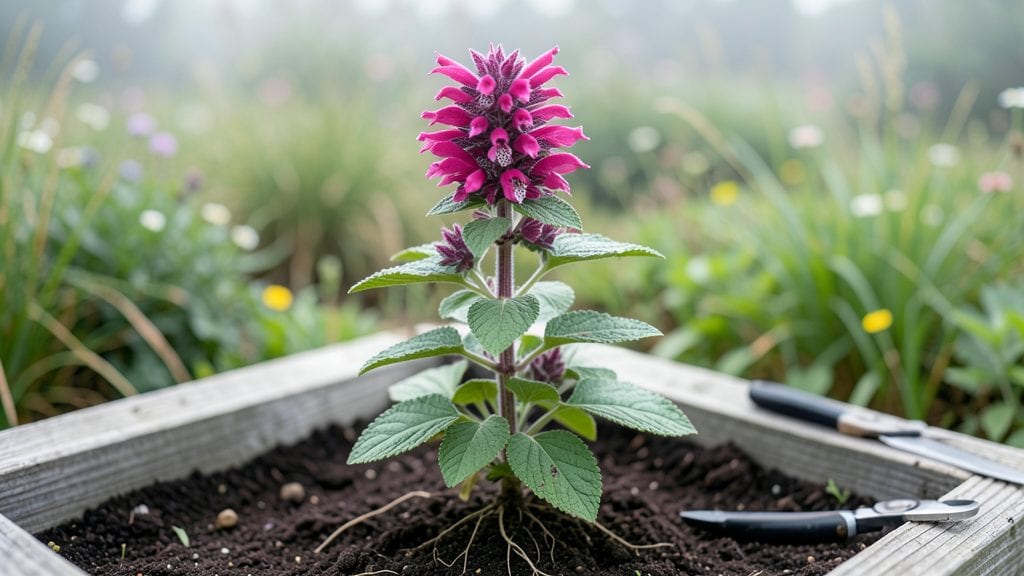
Monarda is a perennial plant that thrives for multiple years with proper care, though some varieties may self-seed aggressively. It reliably returns annually in USDA zones 4-9, delivering long-lasting blooms and aromatic foliage once established.
This hardy herbaceous plant forms deep roots that anchor it through winter, making it a true perennial rather than a short-lived annual or biennial. 🌱 What sets monarda apart is its ability to regrow from the same root system year after year, provided you maintain consistent moisture and avoid overcrowding.
The key to its longevity lies in proper winter mulching and strategic pruning—cutting back stems in late fall helps protect the crown from freezing while preventing disease buildup.
Interestingly, some gardeners confuse monarda with biennials because its first year often focuses on foliage growth rather than flowering. However, established plants reliably bloom annually for 5-10 years or more with proper care.
The aromatic leaves and vibrant blooms make it a garden favorite that repays patience with decades of service.
💡 In This Article
- Monarda Plant Lifespan and Growth Cycle Explained
- Best Practices for Extending Monarda’s Perennial Life
Monarda plant lifespan and growth cycle explained
The botanical lifespan of monarda reveals why it's classified as a true perennial. Unlike annuals that complete their life cycle in one season, monarda develops a robust fibrous root system that stores nutrients and energy underground.
This root system can reach depths of 12-18 inches, allowing the plant to survive winter dormancy in zones 4-9. The key mechanism here is its ability to regenerate foliage each spring from these deep roots, a hallmark of perennials.
What often confuses gardeners is monarda's growth pattern in its first year. Many varieties focus on establishing their root systems rather than flowering, which can make them appear biennial.
For example, Monarda didyma (bee balm) may produce minimal flowers in its first year but becomes a prolific bloomer in years two through five. Monarda fistulosa (wild bergamot), on the other hand, typically flowers more consistently in its first year but still benefits from multiple seasons to reach full maturity.
The cold hardiness varies significantly between species. Monarda fistulosa is the most resilient, thriving in zones 3-9, while Monarda didyma prefers zones 4-9. This difference stems from their native habitats—M. fistulosa evolved in prairie environments with harsher winters, while M. didyma adapted to more temperate eastern North American forests.
The plant's aromatic foliage contains essential oils that act as natural antifreeze compounds, protecting cells during winter.
Here's what's actually happening during its growth cycle: Monarda undergoes a process called secondary growth where its root system expands annually, creating new growth points. This is why established plants can live for 10+ years with proper care.
The misconception about monarda being biennial likely stems from its tendency to self-seed aggressively—new plants from seeds may bloom in their first year, while established plants from divisions follow the true perennial pattern.
To distinguish true perennials from short-lived varieties, look at these key indicators: established plants from divisions will reliably return each year, while seedlings may take 2-3 years to reach full flowering potential. The presence of woody stems at the base after several years also confirms perennial status.
Most importantly, monarda's ability to regrow from the same root crown year after year—even after cutting back to the ground—proves its perennial nature.
The science behind monarda's longevity involves its herbaceous perennial classification, meaning it dies back to the ground each winter but regrows from persistent roots. This contrasts with woody perennials like shrubs, which have permanent above-ground structures.
The plant's high moisture requirements (well-drained but consistently moist soil) and preference for partial shade create ideal conditions for this growth pattern to thrive.