
Flowers
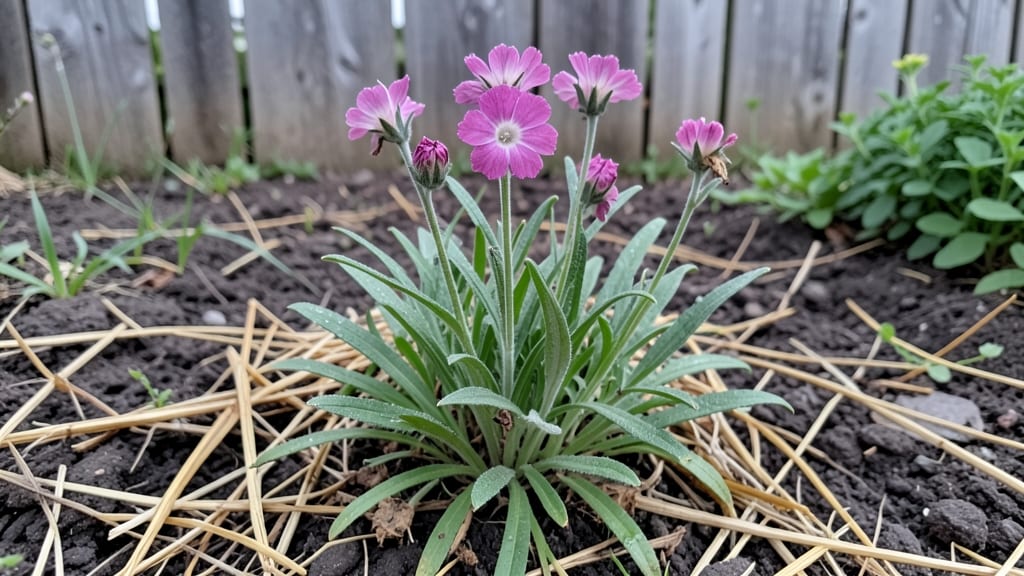
Growing rose campion perennials transforms your garden into a fragrant, cloud-like display that keeps coming back stronger every spring. 🌸 I planted mine three years ago after seeing it in a cottage garden, and now it’s the first thing to bloom in May, covering the ground with pink and white blossoms that smell like a mix of cloves and honey.
The secret to happy rose campion is simple: full sun, well-drained soil, and a little neglect once established. It thrives in poor soil—even rocky spots—so don’t stress about fertility.
Water it lightly after planting, then let it fend for itself. Overwatering is the only real enemy here, and even then, it bounces back.
By midsummer, you’ll have a lush, self-seeding carpet of flowers that hummingbirds adore. The foliage stays tidy with minimal pruning—just snip back dead blooms to encourage more. In fall, leave the seed heads for winter interest, or divide clumps every few years to keep them vigorous.
Perfect for borders, cottage gardens, or even containers—this perennial is impossible to kill and gets more beautiful each year. Let’s get yours growing!
📚 In This Guide
- What you need
- Instructions
- Tips and common mistakes
- Wrapping up and next steps
What you need
- ● Rose Campion Seeds or Plants: Seeds: 1–2 packets (50–100 seeds per packet, depending on variety)
- ● OR 3–5 potted plants (6–12 inches tall, for instant blooms)
- ● Soil: Well-draining potting mix (5–10 gallons, depending on container size)
- ● OR native soil amended with compost (1 part compost to 3 parts soil)
- ○ Optional: Perlite or sand (1 cup per 5 gallons of soil) for extra drainage
- ● Containers or Garden Space: For containers: 5–10 gallon pots (with drainage holes) or window boxes
- ● For garden beds: Full sun to partial shade (4+ hours of sunlight daily)
- ● Planting Tools: Trowel or small shovel
- ○ Garden gloves (optional but recommended!)
- ● Watering can or hose with a gentle spray nozzle
- ○ Fertilizer (Optional but Helpful): Balanced granular fertilizer (10-10-10 ratio) or organic compost tea
- ● Slow-release rose fertilizer (follow package instructions)
- ● ✅ Climate: Rose campion thrives in USDA Zones 3–9—check your local hardiness zone!
- ● ✅ Spacing: 12–18 inches apart for garden beds
- ● 1 plant per 5–10 gallon container (or cluster 3–5 in larger pots)
- ● ✅ Watering: Keep soil consistently moist (not soggy!) during germination/establishment.
- ● 💡 Pro Tip: If planting in hot climates, provide afternoon shade to prevent wilting.
Step-by-Step instructions for planting and caring for rose campion perennials
Here's how to establish these hardy beauties for seasons of fragrant blooms with minimal fuss.
🌱 Step 1: Choose the Perfect Location for Your Plants
Rose campion thrives in full sun to partial shade (at least 4-6 hours of sunlight daily). I always pick spots with good air circulation to prevent fungal issues—these plants hate soggy roots but love dry, rocky soils. Avoid low-lying areas where water pools after rain.
Test your spot by observing how dry the soil stays after a week without water. If it's bone-dry, you're golden. If it stays damp, amend with 2-3 inches of coarse sand mixed into the top 6 inches of soil to improve drainage. The key is well-draining soil—this plant won't forgive waterlogged conditions.
🪴 Step 2: Prepare the Planting Site and Transplant
Dig holes twice as wide as the root ball but only as deep—rose campion dislikes being buried too deeply. I like to loosen the roots slightly before placing them in the hole, then fill around the base with the amended soil you prepared. Press gently to remove air pockets but don't compact.
Space plants 18-24 inches apart—they'll spread over time, and crowding leads to weak stems and fewer blooms. Water deeply right after planting to settle the soil and encourage root contact. You'll know it's right when the soil looks slightly compressed around the base without any gaps.
☀️ Step 3: Establish a Low-Maintenance Care Routine
Water deeply once a week during the first growing season—until the top 6 inches of soil feel dry. After that, rose campion is drought-tolerant once established. I check by sticking my finger in; if it comes out clean, it's time to water. Overwatering is the fastest way to kill these tough perennials.
Feed lightly in early spring with a balanced, slow-release fertilizer (10-10-10). Too much nitrogen makes them grow leaves instead of flowers. Deadhead spent blooms in late summer to encourage a second flush of flowers—just pinch off the faded clusters with your fingers. The plant will reward you with more blooms until frost.
✂️ Step 4: Prune and Overwinter for Next Year's Blooms
Cut back dead or damaged stems in early spring before new growth appears. I like to trim everything back by one-third to encourage bushier growth. Avoid heavy pruning in fall—rose campion stores energy in its roots, and late cuts can weaken the plant before winter.
Mulch with 2-3 inches of organic mulch (like shredded bark) in late fall to protect roots from freezing temperatures. Remove the mulch in early spring once new growth appears—this prevents rot and gives the soil a chance to warm up. Your plants will thank you with vibrant blooms by mid-summer.
Tips & tricks for perfect rose campion perennials
These simple strategies will help you grow fragrant, vibrant rose campion that thrives year after year with minimal effort.
Soil Test Tip: Before planting, perform a simple soil test by digging a small hole and filling it with water. If water drains away within 10 minutes, your soil drains well—ideal for rose campion. If it pools, you definitely need to amend with that 2-3 inches of coarse sand as mentioned in Step 1. This plant's secret to success is never letting its roots sit in wet soil for more than a few hours. I've seen rose campion survive drought but never soggy conditions—it's their Achilles' heel.
Transplanting Technique: When loosening those roots in Step 2, be gentle but thorough. You want to tease them apart just enough to encourage spreading, but don't shred them completely. Think of it like combing through tangled hair—you want to separate without damaging. The goal is to create a root system that can quickly establish itself in its new home. After planting, give the soil a final press around the base to eliminate air pockets, but don't compact it like you would for vegetables.
Watering Wisdom: The "top 6 inches dry" test from Step 3 is your best friend. I find it helpful to mark the spot where you check with a small stake or garden flag. This creates a consistent reference point for future watering. In my experience, rose campion's drought tolerance kicks in after the first year, but during that initial season, that weekly deep watering is non-negotiable. The key is to water slowly and deeply—think of it as giving your plants a long drink rather than a quick sip.
Fertilizer Strategy: That early spring feeding with 10-10-10 fertilizer is crucial, but timing matters. I apply it right after the first signs of new growth appear in spring, not before. Too early, and you might encourage tender new growth that gets damaged by late frosts. And remember, less is more with these perennials—rose campion doesn't need much to thrive. I've seen gardeners over-fertilize and end up with lush foliage but almost no flowers, which defeats the whole purpose of growing this beauty.
Pro Tips for Rose Campion Perennial
- These simple strategies will help you grow fragrant, vibrant rose campion that thrives year after year with minimal effort.
- Soil Test Tip: Before planting, perform a simple soil test by digging a small hole and filling it with water.
- Transplanting Technique: When loosening those roots in Step 2, be gentle but thorough.
Frequently asked questions
about growing rose campion perennials—because every gardener deserves a little clarity!When is the best time to plant rose campion?
Plant rose campion (Lychnis coronaria) in early spring or fall for optimal success. This timing allows roots to establish before extreme heat or cold. Avoid planting in late summer—hot weather can stress young plants. If transplanting, choose a cool, overcast day to reduce shock.
How long does it take for rose campion to bloom?
With patience, you’ll see blooms within 6–12 months of planting. First-year plants often focus on root growth, but well-established perennials reward you with fragrant flowers from late spring to early summer. Deadhead spent blooms to encourage a second flush!
Can rose campion grow in full shade?
While it thrives in full sun to partial shade, rose campion tolerates light shade (4–6 hours of sun daily). In deep shade, expect fewer blooms and leggy growth. For shade gardens, pair it with other sun-loving perennials to create a layered, vibrant display.
Are rose campion perennials deer-resistant?
Good news! Deer rarely bother rose campion due to its mild toxicity and fuzzy foliage. However, hungry deer might nibble if other food is scarce. For extra protection, use deer repellent or plant it near thorny shrubs like barberry.
How do I divide rose campion to propagate it?
Divide mature clumps in early spring or fall when the plant is dormant. Dig up the root ball, separate sections with a clean knife, and replant divisions 12–18 inches apart. Water thoroughly to help roots re-establish. This method keeps your garden blooming for years!
Why aren’t my rose campion flowers opening?
Bud blast? Check for overcrowding, poor drainage, or pests (like aphids). Ensure the plant gets 6+ hours of sun and well-draining soil. If buds form but don’t open, it may be too hot—provide afternoon shade temporarily. A light fertilizer in early spring can also boost blooms!
Wrapping up and next steps
Adding rose campion perennial to your garden is like inviting a fragrant, low-maintenance dream back every spring—no replanting required! With its delicate blooms, silvery foliage, and resilience, this perennial is the perfect choice for pollinators, borders, and even rocky spots.
Whether you’re a seasoned gardener or just starting, its ease of care makes it a rewarding addition to any outdoor space.
Ready to transform your garden? Start small—plant a few this season and watch them thrive year after year. Happy gardening! 🌸