
Flowers
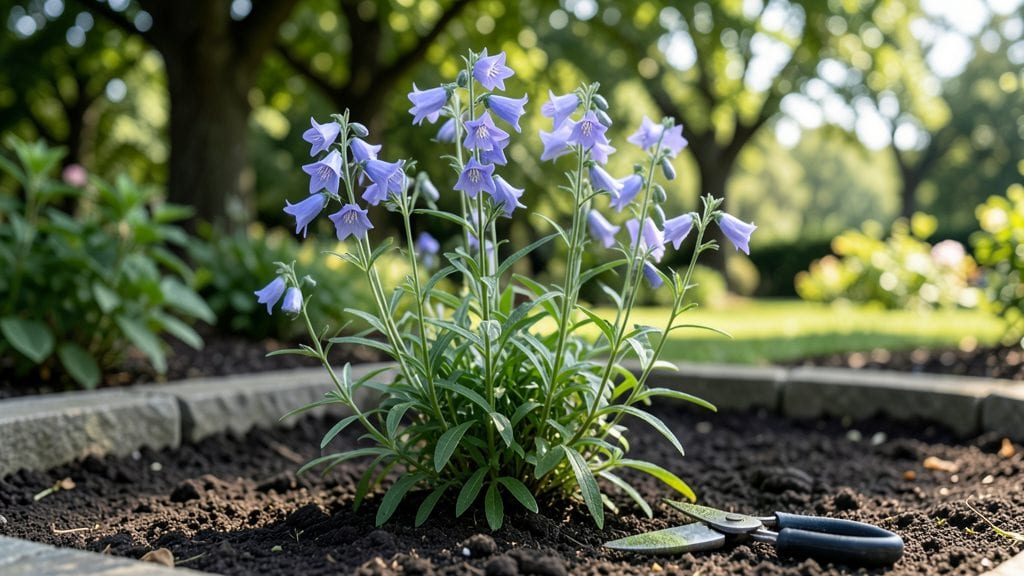
Growing a bell flower perennial 🌸 means adding a splash of color to your garden that comes back stronger every year—no replanting required.
Imagine a garden that bursts with vibrant purple, white, and blue blooms every spring without the annual replanting hassle. These hardy plants thrive in USDA Zone 6a and beyond, returning year after year with minimal effort.
Whether you're a beginner or a seasoned gardener, bell flowers are a game-changer. They're low-maintenance, drought-tolerant, and perfect for adding height and texture to borders, containers, or pollinator-friendly landscapes.
In this guide, you'll discover the best varieties for your climate, step-by-step planting tips, and seasonal care to keep your bell flowers blooming beautifully for years to come.
Top 5 cold-hardy bell flower perennial varieties for year-round beauty
When selecting bell flower perennials for cold climates, I always prioritize varieties that thrive in USDA Zones 3–7 and deliver reliable blooms with minimal care. These hardy plants bring vibrant purple, white, and blue hues to gardens year after year, making them a favorite for low-maintenance landscapes.
The right variety can transform your garden into a pollinator magnet while requiring almost no effort beyond basic care.
Not all bell flowers handle winter equally, so choosing the right one for your climate is key. Some varieties, like Campanula takesimana, can withstand Zone 3 temperatures, while others, such as Campanula carpatica, prefer slightly milder conditions but still thrive in Zone 4–5.
Below, I’ve compared the top 5 cold-hardy varieties based on their bloom time, height, and care requirements to help you pick the perfect fit for your garden.
| Variety | USDA Zones | Bloom Time | Height | Color | Sunlight Needs | Key Feature |
|---|---|---|---|---|---|---|
| Campanula takesimana | 3–8 | Late spring to early summer | 12–18 inches | Purple-blue | Partial shade | Dwarf, great for borders |
| Campanula persicifolia | 4–8 | Mid to late spring | 18–36 inches | White, pink, or blue | Full sun to partial shade | Tall, elegant spikes |
| Campanula carpatica | 4–8 | Early to mid-summer | 6–12 inches | Blue, purple, or white | Partial shade | Compact, long-lasting blooms |
| Campanula glomerata | 5–9 | Late spring to early fall | 12–24 inches | Purple-blue | Partial shade | Clumping habit, great for containers |
| Campanula lactiflora | 4–8 | Mid to late summer | 24–36 inches | White, pink, or blue | Full sun to partial shade | Tall, dramatic blooms |
Campanula takesimana is my top pick for Zone 3–4 gardens because it handles
How to plant and care for bell flower perennials in cold climates
Bell flower perennials are my go-to for adding vibrant color to cold-climate gardens with almost zero fuss. These hardy plants thrive in USDA Zones 3–7, making them perfect for northern gardeners who want reliable blooms.
The key to their success lies in proper planting and understanding their unique care needs.
Unlike many perennials, bell flowers tolerate cooler temperatures and even light frosts, but they still need the right conditions to establish strong roots. I’ve found that well-draining soil and partial sunlight are non-negotiable for their long-term health.
Let’s dive into the essential steps to plant and care for them like a pro.
- 1. Choose the Right Location: Select a spot with 4–6 hours of sunlight daily, preferably morning sun to avoid afternoon heat. Partial shade works best in hotter zones.
- 2. Prepare the Soil: Amend heavy clay soil with compost or sand to improve drainage. Aim for a slightly acidic to neutral pH (6.0–7.0).
- 3. Plant at the Right Depth: Dig holes twice as wide as the root ball but only as deep. Space plants 12–18 inches apart for optimal airflow.
- 4. Water Deeply After Planting: Soak the soil to encourage root growth. Water weekly for the first month, then taper to every 10–14 days once established.
- 5. Mulch for Winter Protection: Apply 2–3 inches of mulch (straw or shredded leaves) in late fall to insulate roots from freezing temperatures.
- 6. Deadhead Spent Blooms: Remove faded flowers to promote continuous blooming and prevent self-seeding where unwanted.
One of the biggest mistakes I see is overwatering bell flowers. While they’re drought-tolerant once established, their roots need time to spread. I recommend watering deeply but infrequently—about 1 inch per week during dry spells. Overwatering can lead to root rot, especially in heavy clay soils.
In Zone 3–4 climates, winter protection is critical. I’ve had the best luck with extra mulch and a light covering of burlap or frost cloth during extreme cold snaps. This prevents heaving (when roots freeze and push plants out of the ground) and ensures a strong comeback in spring.
Watch for slugs and snails, which love young bell flower leaves. I use beer traps or diatomaceous earth around plants to keep these pests at bay. For powdery mildew, a fungicide spray in humid summers works wonders.
With these steps, your bell flowers will return year after year, rewarding you with months of effortless blooms. The secret? Patience and consistency—just like any great garden! 🌷