
Flowers
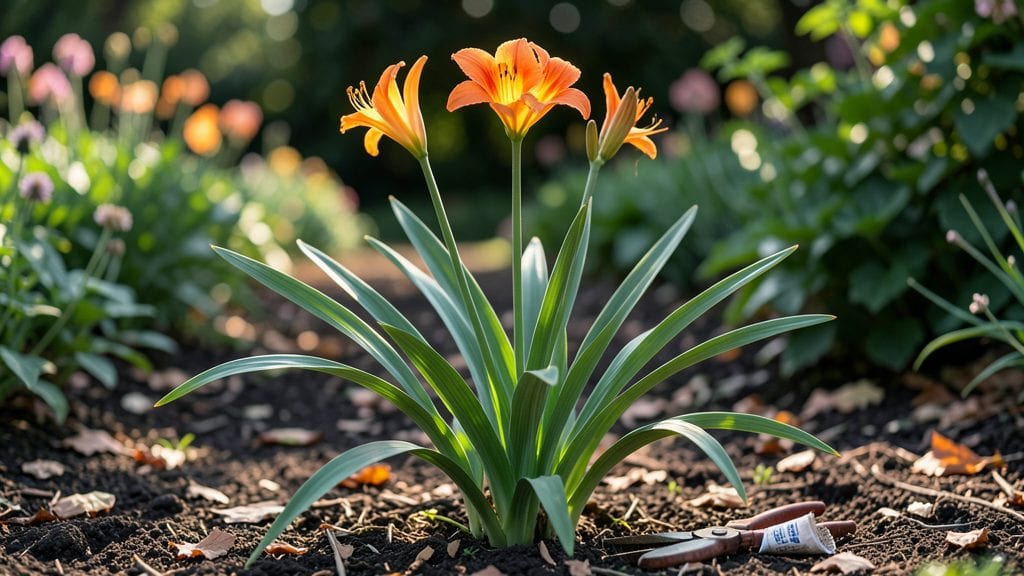
Growing an orange lily perennial means adding bold, fragrant blooms that naturally deter pests from your garden. 🌿 I’ve learned the hard way that these beauties need the right balance of sunlight, soil, and patience—but once established, they reward you with years of vibrant color and pest-free foliage.
The key to success starts with well-draining soil rich in organic matter, paired with at least 6 hours of sunlight daily. These perennials thrive in USDA zones 3-9, making them adaptable for many climates.
Plant bulbs in fall, about 6 inches deep, and space them 12 inches apart to give roots room to spread.
By late summer, you’ll be rewarded with 6-inch trumpet-shaped blooms that perfume the air and keep deer and rabbits at bay. Prune spent flowers to encourage more blooms, and mulch in winter to protect the bulbs from freezing temperatures.
Even in small gardens, orange lilies make a statement—just avoid overcrowding and watch for aphids or spider mites. With the right care, these perennials will multiply over time, creating natural pest barriers and stunning focal points for years to come.
📚 In This Guide
- What you need
- Instructions
- Tips and common mistakes
- Wrapping up and next steps
What you need
- ● Orange lily bulbs: 3–5 bulbs (depending on desired coverage; larger bulbs yield bigger blooms). Choose certified disease-free bulbs from a reputable nursery.
- ● Well-draining soil: Mix 1 part garden soil with 1 part compost and 1 part perlite or coarse sand (improves drainage and prevents rot).
- ● Sunlight: A full-sun location (6+ hours of direct sunlight daily)—partial shade works in hot climates.
- ● Watering can or hose: With a gentle spray nozzle (avoids damaging bulbs).
- ● Organic mulch: 2–3 inches of straw, wood chips, or shredded leaves (retains moisture and regulates soil temp).
- ● Garden trowel or bulb planter: For digging holes 6–8 inches deep (twice the bulb’s height) and 12+ inches apart.
- ● Garden gloves: To protect hands from soil and sharp bulb edges.
- ● Fertilizer: Balanced granular fertilizer (10-10-10): 1 tbsp per bulb at planting time.
- ○ Slow-release bulb fertilizer (optional): Sprinkle around bulbs in early spring.
- ● Pest deterrents (natural): Crushed garlic or chili powder: Sprinkle around the base to repel pests.
- ○ Neem oil spray (optional): For fungal issues (follow package instructions).
- ○ Stakes or cages (optional): If your variety grows tall (up to 3 feet), use bamboo stakes or tomato cages for support.
How to plant and maintain orange lilies for year-round pest resistance
This fragrant perennial thrives with minimal fuss—here's how to establish it for bold blooms and natural pest control.
🌱 Step 1: Choose the Perfect Planting Site
Orange lilies (Lilium bulbiferum) demand full sun—at least 6 hours of direct light daily—to develop their signature vibrant blooms and pest-repelling fragrance. I always scout locations where morning sun warms the soil quickly, as cooler roots struggle to establish. Avoid low-lying areas where frost lingers; these plants need well-draining soil to prevent bulb rot.
Dig a hole twice as wide as the root ball but only as deep as the container it came in. The crown (where roots meet stems) should sit just below soil level—burying it too deep smothers the plant, while planting too shallow leaves it vulnerable to temperature swings. Amend heavy clay soil with 2-3 inches of coarse sand or perlite from your materials list to improve drainage.
💧 Step 2: Plant and Water for Strong Establishment
Place the orange lily bulb in the hole, spreading roots outward naturally. Backfill with native soil mixed with 1 cup of compost (from your materials) to provide organic nutrients without overwhelming the roots. Gently firm the soil around the base—just enough to eliminate air pockets, but don't compact it tightly.
Water immediately after planting with 1 gallon of water to settle the soil and eliminate air gaps. Keep the soil evenly moist (not soggy) for the first 4-6 weeks—this is critical for root development. You'll know you're doing it right when the soil feels like a wrung-out sponge: damp but not dripping. Mulch with 2 inches of shredded bark to retain moisture and suppress weeds, but keep the mulch 2 inches away from the stem to prevent rot.
☀️ Step 3: Provide Consistent Care for Fragrant Blooms
Once established, orange lilies are drought-tolerant but reward consistent care with longer blooming seasons. Fertilize in early spring with 1 tablespoon of 10-10-10 granular fertilizer (from your materials) spread evenly around the base. Water deeply once weekly during dry spells, aiming for 1-1.5 inches of water per week. The plant's deep roots signal when it's thirsty—leaves will droop slightly before wilting.
Deadhead spent blooms by snipping stems just above the first set of leaves to encourage more flowers. I always prune in the morning when stems are stiff with moisture—this prevents disease entry through open cuts. In late fall, cut back foliage to 6 inches tall and leave it; the dying leaves feed the bulb for next year's growth.
✂️ Step 4: Divide and Propagate Every 3-4 Years
Orange lilies multiply aggressively, so division keeps them vigorous. In early spring before new growth appears, dig up the clump and separate bulbs with 2-3 healthy shoots each. Replant immediately in fresh holes, following the same depth guidelines. The extra bulbs make great gifts—or replacements for any that fail to bloom.
Here's the thing—if your orange lilies stop flowering, it's often because the bulbs are overcrowded. Dividing restores energy to the plant. I've found that bulbs planted in partial shade (like under a tree's dappled canopy) produce fewer but more intensely fragrant blooms—worth experimenting if your climate gets very hot.
Tips & tricks for perfect orange lily perennial planting
These practical insights will help you establish thriving orange lilies that reward you with bold blooms and natural pest resistance.
Site Selection Strategy: When choosing your planting location, prioritize areas with morning sun exposure—this gives roots a gradual warm-up rather than sudden heat stress. I've found that south-facing slopes or raised beds warm faster in spring, giving your orange lilies a head start. For clay-heavy soils, mix in 2-3 inches of coarse sand before planting to create ideal drainage conditions that prevent bulb rot. The key is mimicking their natural Mediterranean habitat where they thrive in well-draining, rocky soils.
Planting Depth Precision: The crown placement is more critical than most gardeners realize. Position the crown just below soil level—this delicate balance prevents both smothering from being buried too deep and vulnerability from exposure when planted too shallow. I use a simple trick: place the bulb in the hole with the crown level with the top of the hole, then backfill until it's just covered. This ensures proper emergence while maintaining stability.
Watering Wisdom: That initial 1 gallon of water after planting isn't just for settling soil—it's establishing the moisture gradient roots need to explore downward. During the critical 4-6 week establishment period, I check soil moisture by squeezing a handful—it should feel like a wrung-out sponge. Overwatering here creates anaerobic conditions that suffocate roots, while underwatering stresses the plant before it's established. The mulch acts as a moisture reservoir, but remember to keep it 2 inches away from the stem to prevent rot.
Fertilizer Timing: The early spring application of 1 tablespoon of 10-10-10 granular fertilizer isn't just about nutrients—it's about synchronizing growth with natural cycles. I apply it when you can see new shoots emerging but before the first true leaves appear. This timing prevents fertilizer burn on tender new growth while giving the plant a nutrient boost as it enters its active growth phase. For established plants, I reduce to half-strength in subsequent years to avoid over-fertilization.
Pro Tips for Orange Lily Perennial
- These practical insights will help you establish thriving orange lilies that reward you with bold blooms and natural pest resistance.
- Site Selection Strategy: When choosing your planting location, prioritize areas with morning sun exposure—this gives roots a gradual warm-up rather than sudden heat stress.
- Planting Depth Precision: The crown placement is more critical than most gardeners realize.
Frequently asked questions
Got questions about growing and caring for orange lilies? You’re not alone! Here are some of the most common queries—and their easy answers—to help you cultivate these fragrant, pest-repelling perennials with confidence.
When is the best time to plant orange lilies?
Plant Lilium bulbiferum (orange lily) in early spring or fall after the first frost, when soil temperatures are cool (50–60°F). This gives roots time to establish before extreme heat or cold. Avoid planting in summer—bulbs can rot in hot, dry soil! Pro tip: If planting in fall, cover bulbs with a light mulch to protect them from freezing.
How long does it take for orange lilies to bloom?
With patience, you’ll see blooms 2–3 years after planting! First-year plants focus on root growth, while second-year bulbs may produce a few buds. Full, vibrant blooms typically appear in late spring to early summer. Fun fact: Some varieties rebloom in fall if given consistent moisture and rich soil.
Are orange lilies really good at repelling pests?
These lilies contain allicin, a compound that deters deer, rabbits, and even some insects like aphids. Plant them near vegetable gardens or roses to create a natural barrier. Bonus: Their strong fragrance also keeps cats away—unlike some toxic bulbs!
How much water do orange lilies need?
Water deeply but infrequently—about 1 inch per week, more in extreme heat. Let soil dry slightly between waterings to prevent rot. Once established (after 2 years), they’re drought-tolerant. Warning: Overwatering is the #1 killer of lily bulbs!
What can I plant alongside orange lilies for a stunning combo?
Pair them with complementary perennials like:
- Salvia (purple/blue) – attracts pollinators
- Russian sage (lavender) – drought-resistant
- Daylilies (orange/yellow) – same care needs
- Ferns (green foliage) – adds texture
Why aren’t my orange lilies blooming?
No flowers? Check these fixes:
- Not enough sunlight – Needs 6+ hours of sun daily.
- Over-fertilizing – Too much nitrogen = leafy growth, no blooms.
- Old bulbs – Divide bulbs every 3–4 years.
- Stress – Extreme heat/drought or poor drainage stunts blooms.
Wrapping up and next steps
The orange lily perennial is a stunning, low-maintenance addition to any garden, offering fragrant blooms and natural pest-repelling benefits. Whether you’re drawn to its vibrant colors, hardy nature, or eco-friendly perks, this plant is a winner for both beauty and functionality. 🌸
Ready to transform your garden? Start by selecting the perfect spot, gathering your supplies, and following the simple steps to plant and care for your orange lily. With a little patience, you’ll soon enjoy a thriving, pest-resistant garden that’s the talk of the neighborhood!
- Next step: Grab your gardening tools and get planting!