
Flowers
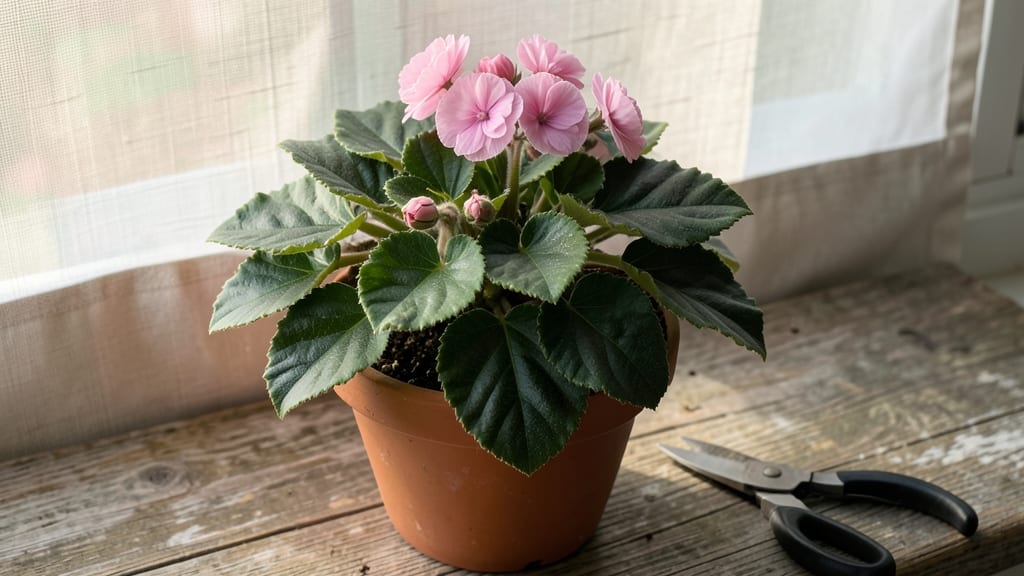
Deciding whether Rieger begonias are perennial or annual depends on your climate: they grow as perennials in USDA zones 10-12 where frost never occurs, but act as annuals in colder regions. Gardeners in chilly areas overwinter them indoors to prolong their lifespan past a single season.
Rieger begonias are frost-sensitive, which is why their perennial status hinges entirely on temperature.
In frost-free zones like Southern California or Florida, these plants thrive year-round, producing blooms continuously with proper care. 🌿 However, when temperatures dip below 40°F, their delicate foliage and roots suffer irreversible damage, forcing gardeners in colder climates to treat them as seasonal plants.
The key difference lies in how you manage them during winter—whether you let them die back naturally or protect them indoors.
For gardeners outside zones 10-12, overwintering is the secret to turning annuals into long-lived perennials. I've found that cutting back stems to 4-6 inches before bringing them inside, combined with bright indirect light and consistent moisture, keeps them healthy until spring.
The payoff? Instead of replacing plants every year, you get the same vibrant blooms season after season with minimal extra effort.
💡 In This Article
- Climate Zones That Make Rieger Begonia a True Perennial
- How to Overwinter Rieger Begonia Indoors for Year-Round Growth
Climate zones that make Rieger begonia a true perennial
The key to Rieger begonias thriving as perennials lies in their native tropical origins and extreme frost sensitivity. These plants evolved in warm, humid environments where temperatures rarely drop below 50°F.
In USDA zones 10-12—where winter lows stay above 30°F—they experience no cold stress, allowing continuous growth and flowering. The absence of frost means their tender leaves and shallow roots remain undamaged year-round, maintaining their vibrant health.
Here's what happens when temperatures drop: Rieger begonias can't tolerate freezing or even light frost. At 32°F, their cell walls rupture from ice crystal formation, causing irreversible tissue damage.
Even a brief dip to 35°F triggers dormancy-like symptoms—wilting, leaf drop, and root rot—as the plant diverts energy to survival rather than growth. This is why gardeners in zones 9 and below must treat them as annuals unless they intervene with protection.
The science behind this involves their metabolic shutdown mechanism. When exposed to cold, Rieger begonias produce ethylene gas, which signals cell death in non-essential tissues. This natural defense prevents the entire plant from dying immediately, but the damage is done to their ability to regrow.
In frost-free zones, this shutdown never activates, allowing them to photosynthesize and bloom continuously through all seasons.
Consider this comparison: In Miami (zone 11), a Rieger begonia might produce 12-18 inches of new growth annually with minimal care, while in Chicago (zone 5), the same plant would die back completely each winter without protection.
The difference isn't just about temperature—it's about the cumulative effect of seasonal stress. Even brief cold snaps can set back growth by 4-6 weeks due to the energy required for recovery.
What most gardeners don't realize is how humidity plays a secondary role. Rieger begonias in dry climates (like Arizona's zone 10) often struggle more than those in coastal areas, even when temperatures are ideal. The combination of 60-70% humidity and consistent warmth is what truly mimics their tropical habitat.
This is why indoor overwintering often fails if humidity drops below 50%—the plants exhibit the same stress symptoms as if they'd experienced frost.
For those in marginal zones (like zone 9), the 10°F difference between winter lows and the plant's tolerance threshold becomes critical. A single night at 28°F can kill a mature specimen, while consistent 40°F nights may only stunt growth.
This narrow margin explains why even experienced gardeners in these areas must monitor forecasts closely during late fall and early spring.