
Flowers
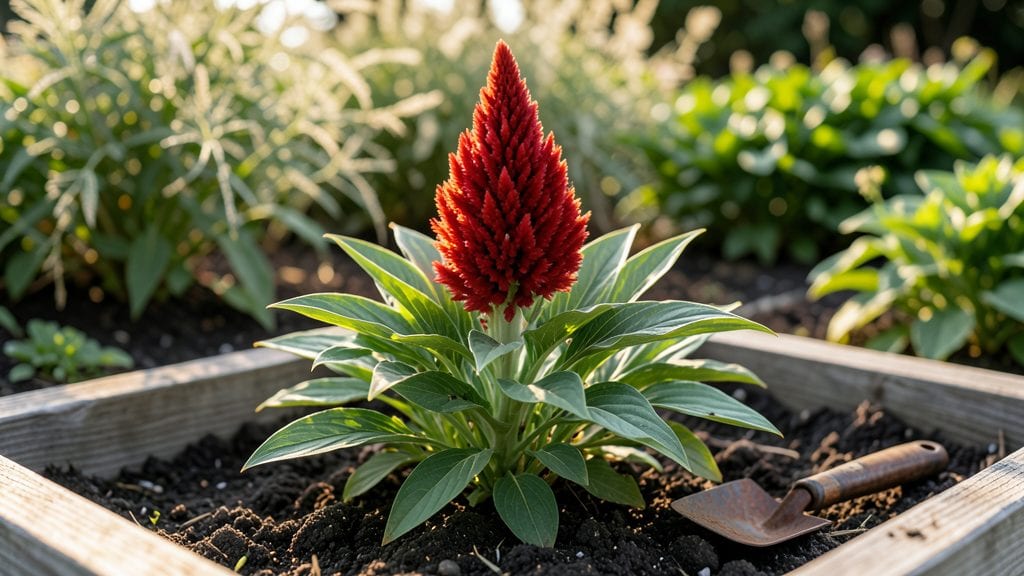
Determining whether celosia flowers are annual or perennial depends on your climate—most varieties complete their lifecycle as annuals in one season, while tropical types may return as short-lived perennials in frost-free zones. Their striking blooms dominate summer gardens before fading with cooler weather.
Celosia's lifespan hinges on temperature tolerance, with USDA zones 7-11 offering the best conditions for perennial behavior. 🔥 In cooler regions, these plants treat them as ephemeral annuals, while tropical varieties often regrow from roots if protected.
The key difference lies in their ability to withstand sub-freezing temperatures—most celosia varieties succumb to frost, forcing gardeners in colder climates to replant each year.
For those in marginal zones, strategic care can sometimes coax repeat blooms. Pruning spent flowers and mulching roots before winter may help some varieties survive, though results vary widely by species. The plume celosia and cock's comb types are particularly resilient when given consistent moisture and well-draining soil.
💡 In This Article
- How Climate Zones Affect Celosia Flower Lifespan
- Extending Celosia Blooms: Seasonal Care Tips
How climate zones affect celosia flower lifespan
Celosia's lifespan as either an annual or short-lived perennial hinges on its frost sensitivity and heat tolerance thresholds. These plants originate from tropical regions where temperatures rarely drop below 50°F—any frost triggers irreversible cell damage.
In USDA zones 7-9, where winter lows dip to 0-10°F, celosia typically dies back completely, behaving as a true annual. The key difference emerges in zones 10-11, where winter temperatures stay above 30°F year-round, allowing some varieties to persist as perennials.
The science lies in their cold-hardiness limits. Celosia's water content (about 85-90% of fresh weight) freezes at 32°F, causing cellular rupture.
Even brief exposure to 28°F triggers irreversible damage to their tender stems and leaves. 🌡️ Tropical varieties like Celosia argentea (silver cockscomb) have slightly better resilience, sometimes surviving light frosts if mulched, but their roots still struggle below 25°F.
This explains why gardeners in Florida or Hawaii might see repeat growth, while those in Minnesota must replant annually.
Heat tolerance plays an equally crucial role. Celosia thrives in 75-95°F ranges, where their metabolic processes optimize photosynthesis and flowering. Beyond 95°F, they experience heat stress, showing wilting and reduced bloom production.
In USDA zone 11, where summer temperatures exceed 100°F regularly, celosia may enter dormancy during peak heat unless given afternoon shade. This heat sensitivity creates a paradox: while tropical climates allow perennial behavior, extreme summer heat can actually shorten their active growing window.
Dormancy behaviors vary dramatically by region. In zone 8, where winters average 20-30°F, celosia often dies back to the ground but may regrow from basal stems if protected by 3-4 inches of mulch.
In zone 10, some varieties develop a woody base that persists through mild winters, allowing them to flower again in spring. The difference comes down to root insulation—in colder zones, roots freeze solid, while in warmer zones, they remain semi-dormant but viable.
Here's what this means for gardeners: In zones 1-6, treat celosia strictly as annuals—plant in spring, enjoy summer blooms, and accept winter death. In zones 7-9, you might coax perennial behavior with heavy mulching and frost cloth during marginal winters.
Only in zones 10-11 can you reliably expect repeat growth, though even there, summer heat management becomes critical. The cock's comb variety often outperforms plume types in perennial scenarios due to its slightly thicker stems.
What most gardeners overlook is the soil temperature factor. Celosia roots remain inactive below 55°F, meaning even in mild climates, winter soil temperatures below this threshold will halt regrowth.
This explains why some zone 9 gardeners see perennial behavior while others don't—it often comes down to microclimate soil temperatures rather than just air temperatures. Testing soil temperature with a soil thermometer can reveal why your celosia might not be returning year after year.